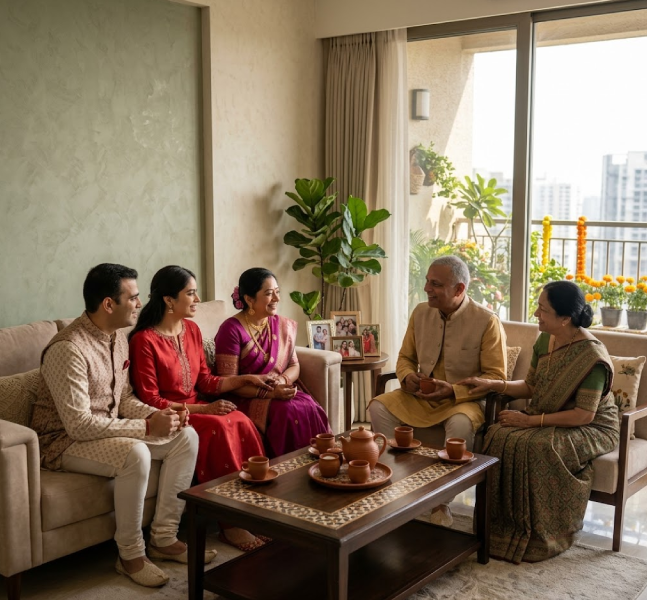
Marriage is more than the union of two individuals; it is the coming together of two families, two traditions, and two sets of values. Among the many factors that contribute to a successful relationship, Family Values in Marriage play one of the most significant roles. These values shape how couples communicate, solve problems, support each other, and build a happy life together. Whether living in a joint family or a nuclear household, strong family values create a stable foundation for lifelong companionship.
Family values include respect, honesty, kindness, responsibility, compassion, loyalty, and mutual support. Couples who enter marriage with similar values often find it easier to understand one another because their decisions are guided by shared principles rather than temporary emotions. These values influence daily interactions, financial decisions, parenting styles, relationships with relatives, and long-term family goals.
In Indian and especially Gujarati culture, family has always been at the center of married life. Respecting elders, maintaining traditions, celebrating festivals together, supporting relatives during important occasions, and valuing collective happiness remain deeply rooted cultural practices. Modern couples continue embracing these traditions while adapting them to contemporary lifestyles.
Strong Family Values in Marriage also improve emotional security. When partners trust one another, communicate openly, and respect each other’s families, misunderstandings become easier to resolve. Instead of allowing disagreements to create distance, shared values encourage patience, empathy, and constructive conversations that strengthen relationships over time.
Children also benefit greatly from a family built on positive values. They naturally learn respect, honesty, gratitude, discipline, and kindness by observing their parents and grandparents. A healthy family environment becomes the first school where future generations develop their own character and moral values.
Today’s couples often balance careers, responsibilities, and changing lifestyles. Despite these modern challenges, family values remain timeless because they provide stability during difficult situations. They help couples make thoughtful decisions, appreciate each other’s differences, and maintain harmony even when circumstances become challenging.
Every successful marriage is supported by strong principles that guide everyday life. Among these principles, Family Values in Marriage provide couples with direction, emotional security, and lasting stability. They help partners make thoughtful decisions while encouraging mutual respect, trust, honesty, and responsibility throughout their relationship.
Family values influence how couples communicate during disagreements, celebrate achievements, manage responsibilities, and support one another through life’s challenges. When both individuals share similar beliefs about respect, commitment, financial responsibility, parenting, and family relationships, they develop greater understanding and stronger emotional connections.
Respecting each other’s families is another important aspect of married life. Healthy relationships with parents, siblings, grandparents, and relatives create supportive environments where both partners feel welcomed and appreciated. Strong family bonds also encourage cooperation during celebrations, difficult situations, and important life milestones.
Modern lifestyles may introduce new challenges, including demanding careers, busy schedules, and geographical distance from family members. Even under these circumstances, shared values continue providing stability because they remind couples to prioritize communication, kindness, patience, and togetherness.
The importance of Family Values in Marriage extends beyond the couple themselves. Children raised in homes where respect, honesty, compassion, and cooperation are consistently practiced often develop stronger character and healthier relationships later in life. In this way, positive family values become a lasting legacy that benefits future generations while strengthening the entire family structure.
Strong marriages are built upon meaningful principles that guide everyday decisions and interactions. Family Values in Marriage help couples develop mutual understanding, emotional security, and lifelong companionship. These values encourage respect, trust, kindness, responsibility, and cooperation while helping families overcome challenges together.

Respect is the foundation of every successful marriage. Couples should appreciate each other’s opinions, personal choices, careers, responsibilities, and family traditions even when viewpoints differ. Respectful communication reduces misunderstandings while encouraging peaceful problem-solving.

Open communication allows couples to discuss emotions, responsibilities, future goals, and concerns without fear. Regular conversations prevent small misunderstandings from becoming major conflicts. Honest discussions also encourage transparency regarding finances, family expectations, parenting decisions, and personal aspirations.

Marriage involves teamwork rather than individual effort. Household management, financial planning, childcare, and family responsibilities should be shared fairly according to each partner’s abilities. Supporting one another creates balance while reducing unnecessary stress.

Trust provides emotional security throughout married life. Couples should remain dependable, truthful, and supportive even during difficult situations. Keeping promises, respecting privacy, maintaining honesty, and communicating openly strengthen confidence between partners.

Life inevitably presents challenges, disagreements, and unexpected changes. Responding with kindness rather than anger helps couples overcome difficult situations together. Offering encouragement, emotional support, patience, and understanding strengthens relationships during stressful periods.

Healthy relationships with parents, siblings, grandparents, and relatives contribute positively to married life. Respecting family traditions while maintaining healthy boundaries creates harmony between generations.
Strong marriages develop through consistent everyday actions rather than occasional grand gestures. Practicing these Family Values in Marriage helps couples strengthen trust, improve communication, maintain family harmony, and build lasting relationships based on mutual respect and emotional understanding.
Expressing appreciation strengthens emotional relationships within families. Thanking parents, supporting siblings, respecting elders, and acknowledging each other’s efforts create positive family environments. Simple expressions of gratitude encourage kindness while reducing unnecessary misunderstandings. Families that regularly appreciate one another develop stronger emotional connections and healthier relationships over time.
Every marriage experiences occasional disagreements. Solving conflicts respectfully instead of emotionally protects relationships from unnecessary harm. Listen carefully, avoid blaming language, remain patient, and search for practical solutions together. Constructive conflict resolution strengthens marriages while teaching future generations healthy communication habits.
Marriage requires balancing individual ambitions with family commitments. Supporting each other’s careers while prioritizing important family responsibilities creates stability. Healthy balance prevents resentment while encouraging personal growth alongside family happiness. Successful couples understand that both personal achievements and family relationships deserve equal respect.
Family traditions strengthen cultural identity and emotional belonging. Celebrating festivals, religious ceremonies, anniversaries, and family gatherings preserves meaningful customs across generations. At the same time, accepting positive modern ideas encourages flexibility and continuous growth. Balanced families successfully combine heritage with contemporary lifestyles.
Children naturally learn by observing adults rather than listening only to advice. Parents who demonstrate honesty, kindness, responsibility, patience, and respect inspire similar behavior in future generations. Strong family values passed through everyday actions create confident, compassionate, and responsible children.
Unexpected challenges such as health concerns, career changes, financial pressure, or family emergencies test every marriage. Standing beside one another with patience, encouragement, and emotional understanding strengthens trust during difficult periods. Supportive partnerships create resilient families capable of overcoming life’s challenges together.
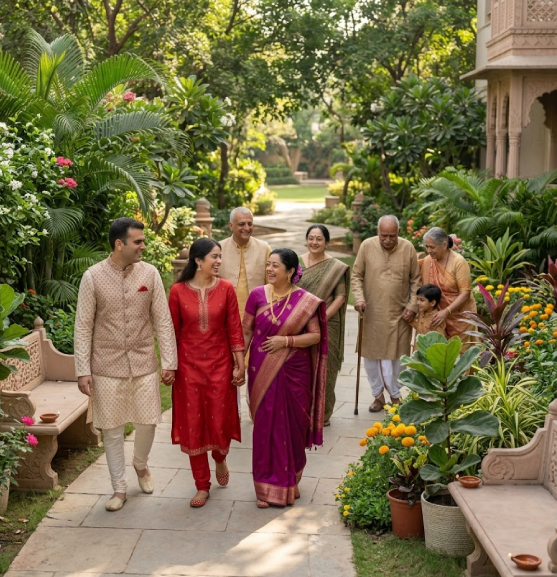
Strong Family Values in Marriage help couples build relationships that remain stable, respectful, and emotionally fulfilling throughout every stage of life. While love brings two people together, shared family values help them stay united through changing responsibilities, personal growth, and life’s unexpected challenges. These values influence how couples communicate, make decisions, resolve disagreements, and nurture their families for years to come.
One of the greatest strengths of family values is the trust they create between partners. Honesty, transparency, and respect allow couples to express themselves freely without fear of judgment. Open communication encourages both individuals to discuss important topics such as finances, careers, children, family responsibilities, and future goals. This clarity reduces misunderstandings while strengthening emotional security.
Respect for parents and extended family also plays an important role. In many Gujarati and Indian households, family relationships continue to influence married life long after the wedding. Couples who appreciate each other’s parents, traditions, and cultural practices often experience greater harmony because they value the people who helped shape their partner’s life. Respecting elders while maintaining healthy personal boundaries creates balanced family relationships.
Another important aspect of Family Values in Marriage is cooperation. Marriage requires teamwork in everyday life, from household management and financial planning to parenting and caring for loved ones. Couples who work together instead of competing with one another build stronger partnerships because responsibilities become shared rather than divided.
Family values also encourage patience during difficult times. Every marriage experiences disagreements, unexpected challenges, and stressful situations. Partners who practice empathy, forgiveness, and understanding usually resolve conflicts more peacefully than those who react emotionally. Instead of focusing on blame, they prioritize finding solutions that benefit the relationship.

Today’s couples enjoy greater independence, career opportunities, and modern lifestyles than previous generations. Despite these positive changes, Family Values in Marriage remain just as important because they provide emotional balance, stability, and lasting relationship strength. Modern living may change daily routines, but values such as respect, honesty, kindness, responsibility, and trust continue serving as the foundation of successful marriages.
One reason family values remain relevant is their ability to improve communication. Busy careers, demanding schedules, and digital distractions often reduce quality conversations between partners. Couples who intentionally practice open communication, active listening, and mutual respect maintain stronger emotional connections regardless of their lifestyle. Honest discussions help resolve misunderstandings before they become larger problems.
Modern marriages also require flexibility. Career changes, relocation, financial responsibilities, parenting decisions, and changing family dynamics introduce new challenges throughout married life. Shared values guide couples through these situations because they provide common principles for making thoughtful decisions together.
Respect continues playing an essential role in healthy relationships. Modern equality within marriage encourages both individuals to value each other’s opinions, careers, personal ambitions, and responsibilities. Respect allows couples to appreciate differences while working together toward shared goals instead of competing against one another.
Another important reason Family Values in Marriage remain valuable involves emotional support. Marriage should provide comfort during difficult moments rather than additional stress. Compassion, encouragement, patience, and understanding help couples overcome personal setbacks, financial difficulties, health concerns, and family challenges together.
Offering Multilingual Choices
Offering Multilingual Choices
Offering Multilingual Choices
Offering Multilingual Choices
Strong Family Values in Marriage are developed through consistent daily actions rather than occasional grand gestures. Small habits such as respectful communication, shared responsibilities, honesty, gratitude, patience, and emotional support help couples build healthier relationships over time.

Healthy communication is one of the strongest family values in marriage. Couples should speak honestly about their feelings, responsibilities, future goals, and daily experiences without hiding concerns or avoiding important discussions.
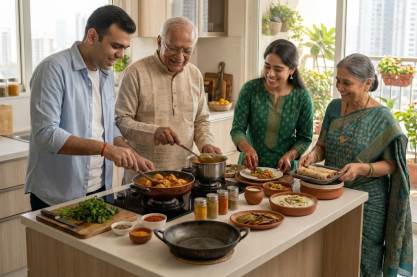
Respect for parents and elders remains a timeless family value in Gujarati and Indian culture. Showing appreciation through kind words, thoughtful actions, regular visits, and emotional support strengthens family unity.
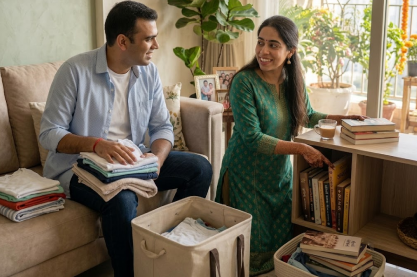
Marriage functions best when responsibilities are shared instead of assigned unfairly. Household work, financial planning, childcare, family commitments, and daily routines become easier when both partners contribute according to their abilities.

Every family experiences disagreements, unexpected challenges, and stressful situations. Responding patiently instead of emotionally protects relationships from unnecessary damage.
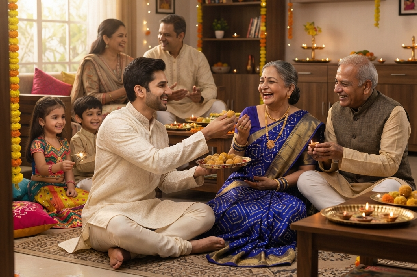
Traditional festivals, anniversaries, birthdays, religious ceremonies, and family gatherings strengthen emotional connections across generations. Modern families can also create new traditions such as annual vacations, volunteer activities, family dinners, or special celebrations that reflect their unique journey together.

Marriage should encourage individual growth rather than limit personal ambitions. Supporting each other’s education, careers, hobbies, and dreams demonstrates genuine partnership. At the same time, maintaining family relationships ensures personal success never replaces emotional connection.
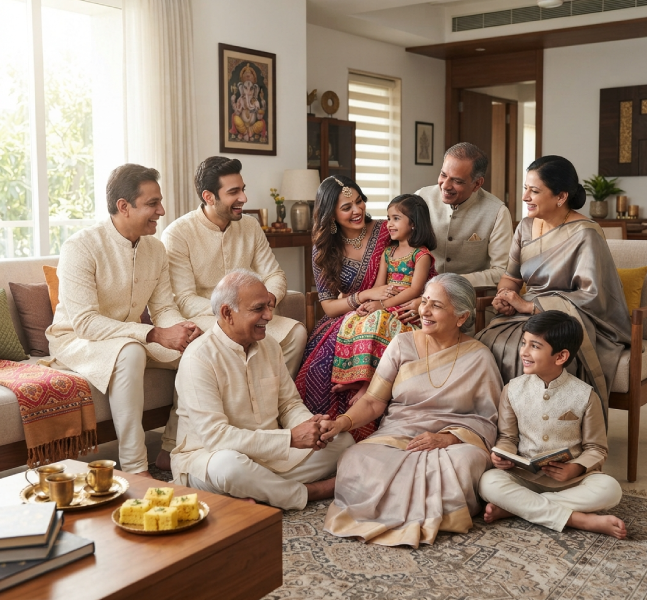
Every successful family is built upon principles that remain valuable regardless of changing lifestyles or modern challenges. Family Values in Marriage provide couples with emotional stability, stronger communication, mutual trust, and a clear sense of responsibility. These timeless values help marriages remain healthy while creating supportive environments where every family member feels respected and appreciated.
One of the greatest benefits of strong family values is emotional security. Couples who consistently practice honesty, kindness, patience, and respect create relationships where both individuals feel comfortable expressing themselves openly. Emotional security reduces unnecessary anxiety because partners trust each other’s intentions even during difficult conversations or stressful situations.
Family values also strengthen relationships beyond the husband and wife. Healthy communication with parents, siblings, grandparents, children, and relatives creates supportive family networks that remain valuable throughout life. Celebrating festivals together, helping during challenging times, respecting traditions, and sharing responsibilities reinforce these important connections.
Modern careers and busy schedules often reduce family interaction, making intentional quality time increasingly important. Family dinners, weekend outings, celebrations, conversations without digital distractions, and shared activities strengthen emotional relationships while creating meaningful memories. Small daily interactions frequently have greater long-term impact than occasional expensive vacations or gifts.
Another important advantage of Family Values in Marriage involves teaching children positive life lessons. Young family members observe how parents communicate, resolve disagreements, respect elders, express gratitude, and support each other. These everyday examples become powerful lessons that influence children’s future relationships and personal character.
Family values also improve problem-solving. Rather than allowing disagreements to damage relationships, couples who practice empathy, patience, forgiveness, and cooperation usually find practical solutions together. They recognize that preserving the relationship remains more important than winning individual arguments.
Strong Family Values in Marriage are reflected through everyday actions that strengthen relationships between spouses, parents, children, and relatives. These values create emotional security, encourage respectful communication, and help families remain united during both joyful and challenging times. When couples consistently practice honesty, patience, responsibility, kindness, and cooperation, they build homes filled with trust and mutual understanding.
Respect is the foundation upon which every successful marriage is built. It is demonstrated not only through polite words but also through thoughtful actions, active listening, appreciation, and consideration for each other’s feelings. Couples who respect one another value different opinions without allowing disagreements to become personal conflicts.
Trust cannot exist without honesty. Couples who consistently communicate truthfully create relationships where both partners feel emotionally secure. Honest communication includes discussing finances, responsibilities, personal goals, family expectations, and emotional concerns openly rather than hiding important information.

Marriage does not require individuals to abandon personal ambitions. Instead, healthy relationships encourage both partners to pursue meaningful goals while remaining committed to shared family responsibilities. Supporting each other’s education, careers, hobbies, and personal development demonstrates genuine partnership.

Every family inherits traditions that strengthen cultural identity and emotional belonging. Gujarati families often celebrate festivals, religious ceremonies, anniversaries, weddings, and community gatherings that connect multiple generations.

No marriage remains completely free from disagreements. Different opinions, financial concerns, parenting decisions, career changes, and family expectations occasionally create tension. Strong Family Values in Marriage teach couples to approach conflicts calmly instead of reacting emotionally.

Children learn more from observing daily behavior than from listening to advice alone. Parents who consistently demonstrate kindness, honesty, responsibility, gratitude, patience, and respect provide powerful examples that shape future generations.
With 140+ branches across USA, largest network of its kind
Family Values in Marriage create a strong foundation based on trust, respect, honesty, kindness, and mutual support. These values help couples communicate openly, solve disagreements peacefully, and make important life decisions together. Strong family values also strengthen relationships with parents, children, and relatives while creating emotional security for everyone. Couples who consistently practice positive values often experience happier, healthier, and more stable marriages that continue growing throughout life.
Mutual respect develops through active listening, kind communication, appreciating each other’s opinions, supporting personal goals, and valuing individual differences. Couples should avoid criticism, speak politely during disagreements, and recognize each other’s daily efforts. Respect also includes honoring family traditions and maintaining healthy relationships with relatives. Consistent respectful behavior strengthens emotional trust while encouraging long-term relationship stability.
Healthy communication includes honest conversations, active listening, emotional openness, patience, and respectful discussions. Couples should regularly talk about finances, responsibilities, future plans, and personal feelings without fear of judgment. Avoiding assumptions and encouraging understanding helps prevent misunderstandings before they become larger conflicts. Strong communication remains one of the most valuable Family Values in Marriage because it supports lasting emotional connection.
Marriage unites two families rather than only two individuals. Respecting both families creates emotional harmony, strengthens trust, and encourages supportive relationships between relatives. Celebrating traditions together, appreciating elders, maintaining regular communication, and participating in family events help build lasting connections. Balanced respect prevents unnecessary misunderstandings while creating peaceful family environments for everyone involved.
Children naturally observe how parents communicate, solve problems, respect others, and manage responsibilities. Demonstrating honesty, kindness, gratitude, patience, and cooperation teaches positive values more effectively than verbal advice alone. Regular family conversations, shared meals, celebrations, and respectful interactions become practical lessons that influence children’s future relationships and personal character throughout adulthood.
Yes. Modern careers, technology, and independent lifestyles can successfully coexist with traditional family values. Couples can embrace innovation while continuing to practice respect, honesty, compassion, responsibility, and cultural traditions. Celebrating festivals, supporting relatives, maintaining family communication, and preserving meaningful customs help families remain emotionally connected despite changing lifestyles and busy schedules.
Conflicts should be handled calmly through respectful conversations, active listening, patience, and empathy. Couples should focus on finding practical solutions instead of assigning blame. Understanding different viewpoints, apologizing when necessary, and practicing forgiveness strengthen relationships after disagreements. Healthy conflict resolution reflects strong Family Values in Marriage while protecting long-term emotional harmony.
Marriage succeeds when both partners contribute according to their abilities. Sharing household duties, financial planning, parenting responsibilities, and family commitments prevents unnecessary stress while encouraging teamwork. Fair cooperation strengthens mutual appreciation because both individuals recognize each other’s efforts. Balanced responsibilities also improve communication and create healthier relationships based on equality and respect.
Simple habits such as expressing gratitude, spending quality time together, celebrating traditions, offering emotional support, sharing responsibilities, communicating honestly, and showing appreciation strengthen emotional relationships. Regular family gatherings, meaningful conversations, and thoughtful acts of kindness create lasting memories while reinforcing trust and mutual understanding between all family members.
Successful long-term marriages consistently practice respect, honesty, patience, trust, compassion, gratitude, forgiveness, and cooperation. These timeless Family Values in Marriage help couples overcome challenges while preserving emotional closeness. Families built upon strong values create supportive environments where every member feels appreciated, loved, and respected. Such relationships continue inspiring future generations to value family, commitment, and lifelong companionship.
Stay ahead of the curve! Subscribe for the latest updates, exclusive.
Copyright © 2025 Gujarati Soulmate.