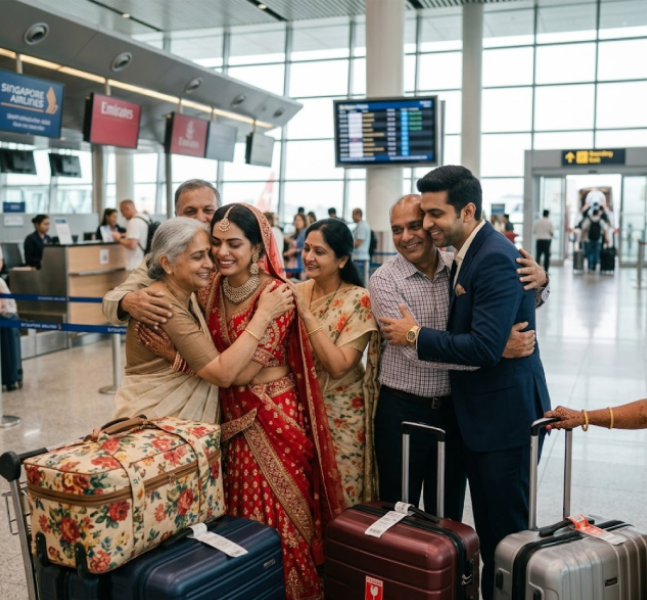
Marriage is a beautiful journey that connects two individuals and often brings new experiences, responsibilities, and opportunities. When marriage involves moving to another country, the journey becomes even more unique because it includes adapting to a different culture, lifestyle, language, and social environment. Adjustment After Marriage Abroad is an important process that requires patience, understanding, emotional strength, and willingness to embrace change.
Moving abroad after marriage can bring excitement along with challenges. A person may experience differences in daily routines, communication styles, food habits, social interactions, work culture, and family traditions. While these changes may feel unfamiliar initially, they also provide opportunities to learn, grow, and develop a broader perspective about the world.
Successful cultural adjustment does not mean completely leaving behind one’s own identity. Instead, it involves creating a balance between personal traditions and the new environment. Many couples living abroad successfully maintain their cultural values while adapting to local customs. This balance helps create a comfortable lifestyle where both partners feel respected and connected.
Communication plays a major role in Adjustment After Marriage Abroad. Couples should openly discuss expectations, responsibilities, financial planning, career goals, and emotional concerns. Honest conversations help prevent misunderstandings and allow both partners to support each other during the transition period.
Understanding the local culture is another essential step. Learning about social manners, celebrations, workplace etiquette, communication patterns, and community values makes everyday life easier. Developing curiosity and openness toward the new culture helps build confidence and creates better connections with people around you.
Ultimately, Adjustment After Marriage Abroad is a gradual journey that requires teamwork between couples. With mutual support, respect, flexibility, and positive thinking, couples can successfully overcome cultural differences and build a happy married life abroad. Embracing both cultures allows individuals to create a unique identity while enjoying the benefits of an international lifestyle.
Successful Adjustment After Marriage Abroad depends on emotional preparation, mutual understanding, and a positive approach toward change. Moving to a new country after marriage involves adapting to unfamiliar surroundings while building a stable personal and family life. Every individual’s adjustment journey is different, and patience plays an important role throughout this process.
One of the most important factors is developing strong communication between partners. Discussing feelings, challenges, expectations, and future plans helps couples support each other effectively. A strong emotional connection provides confidence during difficult moments and makes cultural transitions smoother.
Learning about the new country’s lifestyle and traditions also helps in faster adaptation. Understanding local customs, social behavior, communication styles, and daily routines allows individuals to feel more comfortable and independent. Respecting the new culture while maintaining personal values creates a healthy balance.
Building a social network is another important part of adjustment. Making new friends, connecting with community groups, and participating in local activities reduce loneliness and create a sense of belonging. These connections help individuals feel more confident in their new environment.
Financial planning, career development, and personal growth also contribute to a successful transition. Having clear goals and managing responsibilities together creates stability in married life.
Ultimately, Adjustment After Marriage Abroad becomes easier when couples approach the journey with patience, teamwork, and openness. Accepting differences, learning continuously, and supporting each other emotionally help create a fulfilling and successful life in a new country.
Moving to another country after marriage is a major life transition that requires emotional preparation and adaptability. Adjustment After Marriage Abroad becomes easier when individuals understand the importance of communication, cultural awareness, independence, and emotional balance. Every country has different traditions, social behaviors, and lifestyles, and learning to appreciate these differences helps create a smoother experience. The following steps can support couples in building a comfortable married life while respecting both their original culture and their new surroundings.

Understanding local customs helps create confidence in a new environment. Learning about greetings, social manners, celebrations, communication styles, and community values allows individuals to interact comfortably with others. During Adjustment After Marriage Abroad, respecting local traditions while maintaining personal cultural identity creates a balanced lifestyle. Cultural awareness also helps avoid misunderstandings and encourages positive relationships with neighbors, colleagues, and friends.

Clear communication between spouses is essential during cultural transitions. Discussing emotions, challenges, expectations, and responsibilities helps couples understand each other better. During Adjustment After Marriage Abroad, partners should openly share concerns instead of hiding difficulties. Supportive communication creates emotional security and allows couples to solve problems together while adapting to their new lifestyle.

Building independence helps individuals feel confident after moving abroad. Learning daily skills, understanding transportation, managing finances, and handling personal responsibilities create a sense of control. Adjustment After Marriage Abroad becomes smoother when individuals develop confidence in managing their new environment while still receiving emotional support from their spouse and family.

Creating friendships plays an important role in emotional adjustment. Joining local communities, attending cultural events, participating in social activities, and connecting with other families help reduce loneliness. During Adjustment After Marriage Abroad, having a supportive social circle creates a sense of belonging and makes the new country feel more comfortable and familiar.

Successful adjustment does not require leaving behind personal traditions. Maintaining cultural values while embracing new customs creates a meaningful lifestyle. Couples experiencing Adjustment After Marriage Abroad can celebrate their original festivals while also participating in local traditions. This balance helps preserve identity while encouraging openness toward new experiences.

Moving abroad can bring feelings of excitement, loneliness, stress, or uncertainty. Recognizing these emotions and discussing them openly helps maintain mental well-being. During Adjustment After Marriage Abroad, practicing patience, staying positive, and seeking support when needed allows individuals to overcome challenges and build emotional strength in their new life.
Successful Adjustment After Marriage Abroad requires continuous effort, understanding, and teamwork. Couples can create a happier international married life by developing healthy habits, respecting differences, and supporting each other’s emotional and personal growth.
Having common goals helps couples stay connected during major life changes. Discussing career plans, financial priorities, family expectations, and future dreams creates clarity and teamwork. During Adjustment After Marriage Abroad, shared goals provide direction and motivation while helping couples face challenges together. Working as partners strengthens emotional connection and creates stability in their new environment.
Cultural differences are natural when living in another country. Couples should avoid judging unfamiliar habits and instead focus on understanding different perspectives. During Adjustment After Marriage Abroad, respecting both traditional values and modern lifestyles allows couples to create a balanced relationship. Acceptance and flexibility help prevent conflicts while encouraging harmony between different cultural backgrounds.
Language plays an important role in adapting to a foreign country. Learning the local language improves confidence, helps with daily activities, and creates better social connections. During Adjustment After Marriage Abroad, effective communication makes interactions with neighbors, colleagues, and community members easier. Language learning also shows respect toward the new culture and increases independence.
Emotional support is extremely important when adapting to a new country. Couples should encourage each other during moments of stress, loneliness, or uncertainty. During Adjustment After Marriage Abroad, showing patience, empathy, and understanding creates emotional security. A supportive relationship helps both partners feel confident while managing cultural changes and new responsibilities.
Community involvement helps couples feel connected to their surroundings. Attending local events, joining social groups, and participating in cultural activities create opportunities to make friends and understand the new environment. During Adjustment After Marriage Abroad, shared experiences strengthen relationships while helping couples develop a sense of belonging in their new country.
Staying connected with family traditions provides emotional comfort after relocation. Regular communication with loved ones, celebrating cultural festivals, and maintaining personal values help preserve identity. During Adjustment After Marriage Abroad, balancing connections with home culture and new experiences creates emotional stability while allowing couples to enjoy a fulfilling international married life.
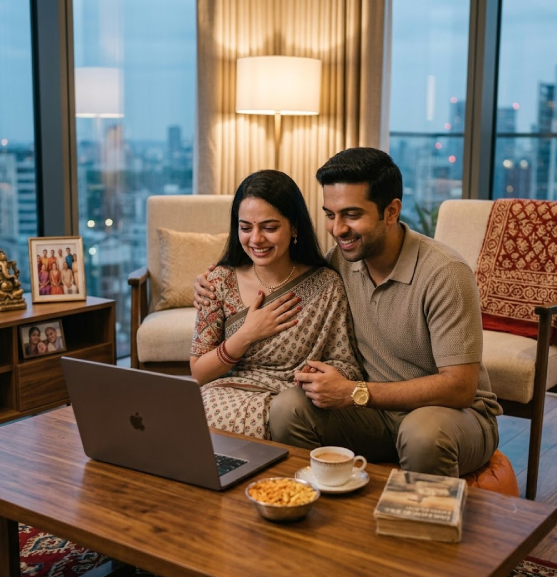
Moving to a new country after marriage is an exciting experience, but it can also bring emotional challenges that require patience and understanding. Adjustment After Marriage Abroad is not only about learning new customs and lifestyles; it also involves managing feelings, building confidence, and creating emotional stability in an unfamiliar environment.
One of the most common challenges after relocation is homesickness. Leaving behind family members, close friends, familiar traditions, and childhood memories can create feelings of loneliness. Missing cultural celebrations, traditional food, and regular family interactions is completely natural. However, maintaining regular communication with loved ones through calls, video chats, and messages can provide emotional comfort while helping individuals feel connected.
Another important aspect of emotional adjustment is accepting that adaptation takes time. Many people compare their new life abroad with their previous lifestyle, which can sometimes create frustration. During Adjustment After Marriage Abroad, it is important to understand that every new experience requires patience. Learning new routines, making friends, understanding social behavior, and becoming comfortable in a different environment happen gradually.
The role of a supportive spouse is extremely valuable during this transition. Couples should create an environment where both partners can openly express their feelings without judgment. Discussing challenges together, providing encouragement, and celebrating small achievements strengthen the relationship. A strong emotional connection helps couples overcome difficulties and build confidence in their new life.
Developing personal interests and hobbies can also improve emotional well-being. Joining community groups, learning new skills, exploring local places, exercising, or participating in creative activities helps individuals stay positive and engaged. These activities create opportunities to meet new people and develop a stronger connection with the new environment.
Maintaining cultural identity is another important factor. Moving abroad does not mean leaving behind personal traditions and values. Celebrating cultural festivals, preparing traditional meals, speaking native languages, and staying connected with cultural communities can provide emotional comfort. At the same time, embracing new experiences allows individuals to grow personally and socially.

Creating a successful married life in another country requires more than just adapting to a new location. It requires emotional connection, cultural understanding, teamwork, and continuous effort from both partners. Adjustment After Marriage Abroad becomes easier when couples approach cultural differences with openness and develop a shared vision for their future together.
One of the strongest foundations of a successful international marriage is mutual respect. Every individual carries their own traditions, beliefs, family values, and personal experiences. Respecting these differences allows couples to appreciate each other’s backgrounds while creating a unique family identity. Understanding that cultural differences are opportunities for learning rather than obstacles helps strengthen relationships.
Effective communication is essential for couples living abroad. New environments often bring different expectations related to lifestyle, finances, social interactions, and family responsibilities. During Adjustment After Marriage Abroad, couples should regularly discuss their feelings, concerns, and future plans. Honest conversations prevent misunderstandings and help both partners feel supported.
Sharing responsibilities also contributes to a balanced married life. Managing household tasks, financial planning, career decisions, and personal commitments together creates equality within the relationship. When both partners contribute equally, they develop stronger trust and emotional connection.
Building a social network is another important step toward successful adjustment. Making friends, connecting with local communities, and participating in cultural activities help couples feel more comfortable in their new surroundings. Social connections reduce isolation and provide valuable support during the transition period.
Maintaining connections with family members back home also remains important. Many couples living abroad find emotional strength by staying connected with parents, relatives, and cultural traditions. Regular communication, celebrating festivals, and sharing important moments help preserve emotional bonds despite physical distance.
Offering Multilingual Choices
Offering Multilingual Choices
Offering Multilingual Choices
Offering Multilingual Choices
Living abroad after marriage requires couples to adapt emotionally, socially, and culturally while building a stable life together. Adjustment After Marriage Abroad becomes easier when partners support each other, respect cultural differences, and develop healthy habits. Small daily efforts such as communication, understanding local customs, maintaining traditions, and creating new connections help couples feel more confident in their new environment. The following strategies guide couples toward a successful international married life while maintaining emotional balance and strengthening their relationship.
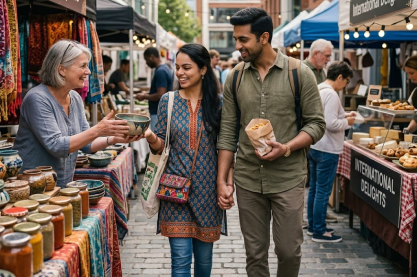
Cultural adaptation does not happen overnight. Couples should give themselves enough time to understand new lifestyles, traditions, and social behaviors. During Adjustment After Marriage Abroad, patience helps individuals manage unfamiliar situations without unnecessary stress. Learning through experiences, mistakes, and observations gradually builds confidence. Supporting each other during this process creates emotional security and helps couples enjoy their journey of discovering a new culture together.
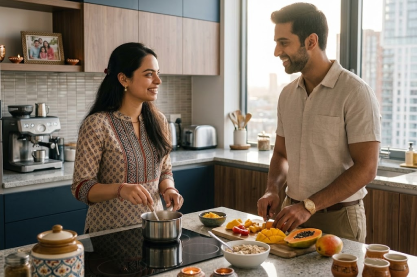
Establishing a familiar routine helps create stability after moving abroad. Couples can plan daily activities, household responsibilities, meal schedules, and personal time according to their lifestyle. During Adjustment After Marriage Abroad, having organized routines reduces uncertainty and makes the new environment feel more comfortable. A balanced routine also provides opportunities for relaxation, personal growth, and quality time together.
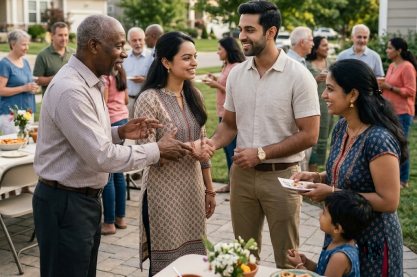
Every country has unique cultural practices, communication styles, and social expectations. Learning these differences helps couples interact confidently with local communities. During Adjustment After Marriage Abroad, understanding local etiquette, workplace culture, and social behavior prevents misunderstandings. Respecting local customs while maintaining personal values allows couples to build positive relationships and feel more connected to their surroundings.
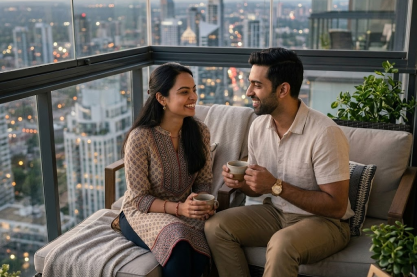
Strong communication keeps relationships healthy during major life transitions. Couples should regularly discuss feelings, challenges, achievements, and future plans. During Adjustment After Marriage Abroad, meaningful conversations provide emotional support and strengthen trust. Sharing experiences openly allows partners to understand each other’s struggles and celebrate progress together while adapting to their new life abroad.
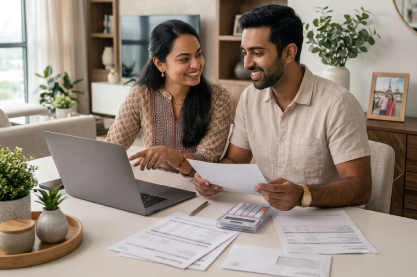
Financial management becomes especially important after relocating to another country. Couples should discuss income, expenses, savings, and future goals together. During Adjustment After Marriage Abroad, proper financial planning reduces stress and creates security. Working as a team while making financial decisions helps couples build confidence and establish a stable foundation for their married life.
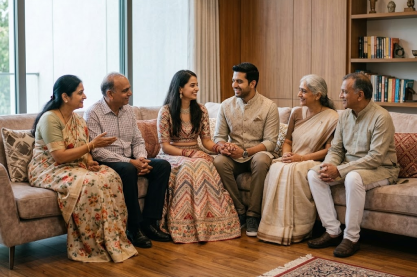
Maintaining cultural identity provides emotional comfort while adapting to a new country. Couples can celebrate traditional festivals, prepare familiar foods, and stay connected with their heritage. At the same time, exploring local traditions creates new experiences and opportunities. During Adjustment After Marriage Abroad, balancing both cultures helps couples create a unique lifestyle filled with respect, learning, and happiness.
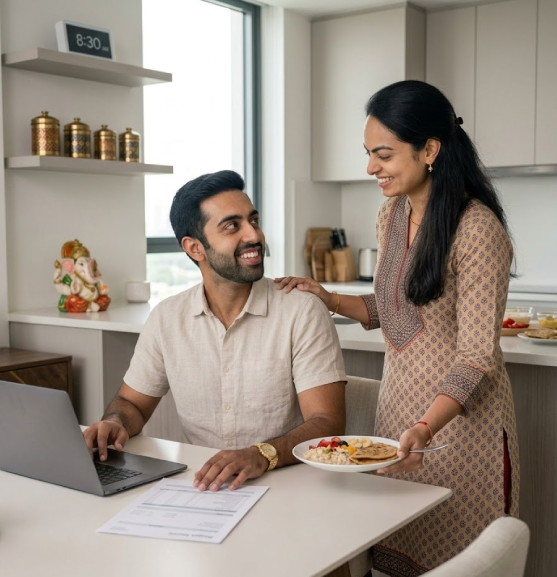
Creating a balanced lifestyle after moving to another country requires emotional awareness, practical planning, and strong partnership between couples. Adjustment After Marriage Abroad is a continuous journey where individuals learn to manage new responsibilities, understand different cultures, and create a comfortable home environment while maintaining their personal identity.
One of the most important aspects of adjustment is developing emotional flexibility. Moving abroad often brings excitement, but it can also create uncertainty because everything from daily routines to social interactions may feel different. Accepting that change is a natural part of life helps individuals approach new experiences with confidence instead of fear. Couples who support each other emotionally can overcome challenges more effectively.
Maintaining a healthy balance between personal culture and the new environment is equally important. Many individuals worry that adapting to another country means losing their original traditions. However, cultural adjustment does not require abandoning personal values. Celebrating traditional festivals, preparing cultural food, communicating in native languages, and maintaining family connections can provide emotional stability. At the same time, learning local customs helps individuals become more comfortable and socially connected.
A supportive relationship between partners plays a major role in successful Adjustment After Marriage Abroad. Couples should understand that both individuals may experience adjustment differently. One partner may adapt quickly while the other may need more time. Showing patience, listening carefully, and offering encouragement helps create a safe emotional space where both partners can grow.
Building independence is another important part of creating a balanced lifestyle. Learning how to manage daily activities, understand transportation systems, communicate with local communities, and handle personal responsibilities increases confidence. Independence does not mean avoiding support; instead, it allows individuals to become stronger contributors to their relationship and family life.
Social connections also influence emotional well-being. Developing friendships, joining community groups, attending local events, and connecting with people from similar backgrounds can reduce feelings of loneliness. These relationships provide practical advice, emotional support, and opportunities to understand the new culture better.
Building a successful life in another country after marriage requires continuous learning, emotional strength, and commitment from both partners. Adjustment After Marriage Abroad is not a one-time process but an ongoing journey of understanding new cultures, managing responsibilities, and strengthening relationships. Couples who focus on communication, flexibility, and personal development can overcome challenges more effectively. The following approaches help create a stable and fulfilling married life while maintaining cultural identity and embracing new opportunities abroad.

Emotional connection is one of the strongest foundations for couples living abroad. Moving to a new country can bring moments of uncertainty, loneliness, and stress, making emotional support extremely important. During Adjustment After Marriage Abroad, couples should regularly communicate about their feelings, experiences, and challenges.

Cultural awareness helps individuals feel comfortable and confident in a foreign environment. Every country has unique traditions, communication styles, social behaviors, and lifestyle patterns. Learning about these differences allows couples to interact respectfully with local communities.

Communication becomes even more important when couples experience significant changes after relocation. New environments often bring challenges related to careers, finances, family expectations, and social adjustment. During Adjustment After Marriage Abroad, partners should openly discuss concerns, responsibilities, and future plans.

Financial management plays an important role in building a comfortable life abroad. Moving to another country often involves different living costs, employment systems, and financial responsibilities. Proper planning helps couples avoid unnecessary stress.

Creating new relationships is essential for emotional and social adjustment. Moving away from familiar surroundings can sometimes create feelings of isolation. Developing friendships and connecting with communities helps individuals feel accepted and supported.

Maintaining personal identity is an important part of emotional well-being after relocation. Many individuals worry that adapting to another culture may separate them from their roots. However, successful adjustment comes from creating balance.
With 140+ branches across USA, largest network of its kind
Adjustment After Marriage Abroad means adapting to a new country, culture, lifestyle, and social environment after marriage. It involves learning new traditions, understanding different communication styles, managing responsibilities, and creating emotional balance. Couples experience this journey differently, but patience, teamwork, and mutual support make the transition smoother. Successful adjustment allows couples to maintain their personal identity while embracing new opportunities and building a happy married life abroad.
Couples can handle cultural differences by developing respect, patience, and open communication. During Adjustment After Marriage Abroad, understanding each other’s traditions and learning about the new culture helps prevent misunderstandings. Instead of focusing on differences, couples should appreciate diversity and find common values. Supporting each other’s backgrounds creates harmony and allows both partners to build a balanced lifestyle that respects their original culture and new surroundings.
Emotional support helps couples manage stress, loneliness, and uncertainty after relocation. During Adjustment After Marriage Abroad, partners may face challenges related to homesickness, cultural changes, or new responsibilities. Offering encouragement, listening carefully, and showing understanding strengthens the relationship. A supportive partner creates confidence and emotional security, making it easier for both individuals to adapt to their new environment while maintaining a strong married bond.
Yes, couples can preserve their traditions while adapting to a new country. Adjustment After Marriage Abroad does not require leaving behind cultural values or family heritage. Celebrating festivals, preparing traditional meals, speaking native languages, and staying connected with family members help maintain identity. At the same time, embracing local customs creates a balanced lifestyle where both cultures can exist together respectfully.
Communication plays a major role in successful adjustment after relocation. During Adjustment After Marriage Abroad, couples should openly discuss emotions, expectations, responsibilities, finances, and future goals. Honest conversations reduce confusion and strengthen trust. Learning local languages and understanding communication styles also improve social interactions. Strong communication allows couples to solve problems together and create a supportive environment while building their new life abroad.
Building friendships helps individuals feel connected and comfortable in a new country. During Adjustment After Marriage Abroad, social connections reduce loneliness and provide emotional support. Joining community groups, attending cultural events, and meeting new people create opportunities to understand local lifestyles. A strong social network improves confidence, provides practical guidance, and helps couples develop a sense of belonging in their new environment.
Homesickness is a natural feeling when leaving familiar surroundings. Couples can manage it by staying connected with family, celebrating cultural traditions, creating new routines, and exploring their new environment. During Adjustment After Marriage Abroad, maintaining emotional connections with loved ones while building new experiences helps create balance. Positive thinking and supportive communication allow couples to overcome loneliness and enjoy their international married journey.
Financial planning provides stability and reduces stress after moving abroad. During Adjustment After Marriage Abroad, couples should discuss income, expenses, savings, career opportunities, and future goals. Understanding the local financial system and creating responsible budgets help build confidence. Working together on financial decisions strengthens teamwork and creates a secure foundation for a comfortable married life in another country.
Supporting career growth helps couples achieve personal and financial stability. During Adjustment After Marriage Abroad, partners should encourage each other’s professional goals, education, and skill development. Understanding local job opportunities and adapting to workplace culture can improve confidence. A supportive relationship allows both individuals to grow professionally while maintaining emotional connection and creating a successful future together.
Stay ahead of the curve! Subscribe for the latest updates, exclusive.
Copyright © 2025 Gujarati Soulmate.