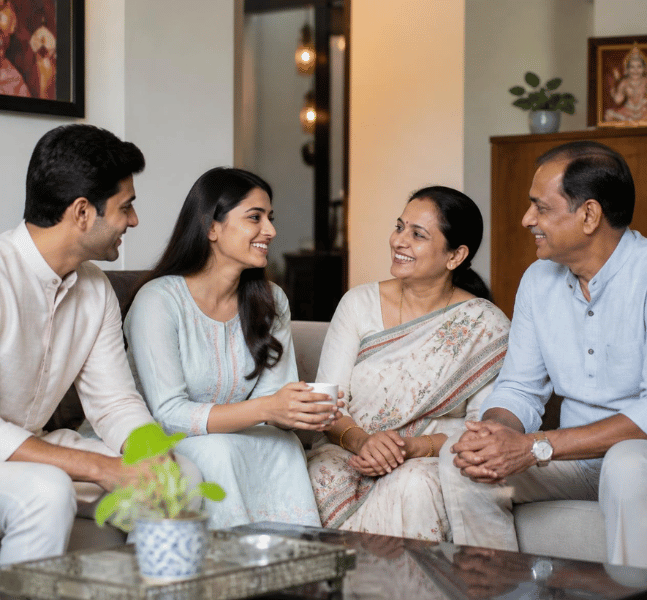
Marriage is a start of the new journey in one’s life, when not only two people, but also two families unite. Family ties, mutual respect, traditions and duties are greatly valued in the Gujarati culture. The expectations of a Gujarati Daughter-in-Law have changed dramatically over time. Even though the importance of the traditional values cannot be overestimated, nowadays modern families highly value such things as understanding, good communication, independence and mutual support.
Traditionally, a Gujarati Daughter-in-Law had to take care of all household matters, show respect towards elders, take part in religious rites, help keep the balance in the family and so on. Of course, all these values are still very important, however, nowadays there is an understanding that education, a career, personal achievements and personal happiness matter as well. Today’s marriage is based on cooperation and not on specific obligations.
The thing that makes the basis of any Gujarati family is the mutual respect. Gujarati Daughter-in-Law that shows her respect to the other members of the family with kindness, patience and understanding will easily get along with her relatives. Moreover, supportive and kind in-laws will definitely create a positive atmosphere and allow building up friendly and loving relations.
Communication is an essential element for having a successful marital relationship as well. Open discussions can help to create clarity about each other’s expectations, sort out misunderstandings in a peaceful manner, and take collective decisions. Regardless of whether one lives in a joint or a nuclear family, communication with respect helps to build emotional bonds and promotes cooperation.
The modern-day Gujarati families are also giving more importance to the education, career, and entrepreneurial pursuits of their daughters-in-law while managing the balance between their work and family life quite effectively. There has been a change in social values and now division of household chores among spouses has become quite common.
In short, being a Gujarati daughter-in-law does not mean trying to meet all kinds of unreasonable expectations and compromising on personal identity and personality. Being a daughter-in-law in such families means creating relationships based on mutual love, respect, and cooperation. When both the families give their best to each other with understanding and flexibility, marriage proves to be quite a successful experience indeed.
Every family has its own set of traditions and values, which is why the roles of a Gujarati Daughter-in-Law can be different. Nonetheless, there are certain traits that are welcomed in virtually any family because they make it more harmonious and positive. These traits are not meant to be unilaterally carried out; rather, they are aimed at fostering mutual understanding and respect within a family.
The first trait that deserves mention is respect. Showing kindness towards the elders, relatives, and family traditions helps foster trust and establish relationships. On the other hand, the respect should be reciprocal in nature, making every member of the family feel important.
Effective communication is another quality that is essential for a daughter-in-law. It helps avoid misunderstanding and fosters constructive solution of problems. Regardless of whether it is related to household chores, professional matters, or personal preferences.
Adaptability is equally important even after the marriage. Getting used to the new place, new habits and traditions requires some time. Learning with an open mind and keeping one’s principles at the same time makes the process of adaptation harmonious and smooth.
Modern families also value independence and maturity. In many Gujarati families, there is an encouragement for daughters-in-law to work and get educated, make decisions together with their families. Sharing household duties between spouses helps to achieve equality in marriage.
In the end, becoming a successful Gujarati Daughter-in-Law means building relationships with the help of empathy, cooperation, respect and understanding. With mutual kindness and open communication between two families, the atmosphere where everyone grows personally while maintaining Gujarati family values is created.
Each and every family has traditions, values and lifestyle of its own, but there are certain qualities which make every Gujarati Daughter-in-Law create strong and lasting relationships within her family. It is not about meeting the expectations of the family, but it is about showing respect, understanding and cooperation among all the members of the family. Emotional intelligence, communication skills, self-development and shared responsibilities are some of the qualities which modern day Gujarati families take into consideration apart from their traditions. A happy family can be formed only when each and every member of the family helps one another respectfully.

Respect is among the major pillars of the Gujarati family structure. A daughter-in-law who is respectful to everyone in her family – be it the elderly, relatives, or any other family member – definitely gains their trust and love. Respect involves having patience while listening, accepting differing viewpoints, and honoring family traditions without giving up one’s own individuality. It is equally vital that respect be shown by other family members. The healthy relationship depends on mutual understanding.

Good communication avoids misunderstandings in the family that can lead to unneeded arguments. Expressing thoughts in a polite manner, talking about expectations clearly, and stating concerns in a respectful way build good relations among both spouses and in-laws. A patient and empathic Gujarati Daughter-in-Law is able to promote constructive dialogue rather than misinterpretations. Moreover, open communication where all the members are ready to listen fosters mutual respect.

Gujarat is well-known for its colorful festivals, religious rituals, and family functions. Being aware of these traditions and being involved in them makes the Gujarati Daughter-in-law more comfortable in her new environment. Participating in Navratri, Diwali, Uttarayan, marriage functions, and religious events in general gives her a sense of family. On the other hand, modern families are always ready to accept new traditions coming from the daughter-in-law.

The modern day Gujarati family finds more value in having a daughter-in-law that not only excels in her career but also maintains good family relations. Managing their professional lives along with their personal one needs proper planning and teamwork, and cooperation from each and every member of the family. The Gujarati Daughter-in-Law must never think that she alone has to handle everything at home.

Being married entails the establishment of new relations, obligations and even challenges at times. Emotional maturity enables the Gujarati Daughter-in-Law to maintain composure in case of conflicts. Appreciating different points of view, not reacting impulsively, as well as settling conflicts in a respectful manner leads to better relationships in the family. Being emotionally intelligent also promotes empathy, forgiveness, and cooperation among others.

A marriage needs to enable one’s development rather than hinder it. The Gujarati Daughter-in-Law has the freedom to focus on her educational objectives and ambitions, while still being able to help her family in a positive manner. Acquiring skills, gaining confidence, and fulfilling personal ambitions make both the individual and her family feel inspired. Many modern Gujarati families have realized the importance of personal development since an empowered person can help in creating a happy family environment.
Good relationships within families are built on simple day-to-day activities. These activities ensure that the Gujarati Daughter-in-law creates good understanding between herself and all those around her to ensure harmony within the family unit.
It is the very base for every prosperous family relationship. The Gujarati Daughter-in-Law can make family relationships better through respectful communication, attentive listening, valuing the efforts of others, and treating all the people kindly. Just little things like greeting one’s elders in a warm way, providing one’s assistance, and taking into consideration the diverse point of view will make for a positive atmosphere. Respect on both sides makes one feel confident and emotionally secure.
All Gujarati families have their own set of traditions, celebrations, and customs. Understanding the same through the practice of curiosity allows a Gujarati Daughter-in-Law to adjust herself in the new environment. It is also important for her to share her own traditions as it brings value to the family life. Whether it is about celebrating festivals, preparing traditional food, or participating in religious functions, it all leads to an exchange of culture and building of stronger bonds.
Taking care of the household is not an individual’s responsibility but a collective one. Contemporary families tend to think that partners must do their duties collectively, depending on their timings and capabilities. The Gujarati Daughter-in-law, who works with other family members and does not carry all the burden by herself, gets relieved from tension and finds herself more content. Collective efforts bring about equality and build stronger marital relations and family connections.
Good communication helps avoid misunderstandings and helps build trust between the family members. The Gujarati Daughter-in-law must be at ease with herself when voicing out her ideas while still being open to listen to other people. Open discussions about money, events in the family, future plans, and other things will help everyone know what is expected of them. Communication leads to solving problems in the family easily and building strong relationships.
The daughters-in-law of many Gujarati families today are encouraged by their families to get an education, join a career or even start businesses. Balancing work and family life calls for planning, cooperation and understanding between both parties. It is important that a Gujarati Daughter-in-Law is never made to feel that she is being asked to put her goals aside. Supporting a person’s career shows respect and trust from family members.
Every marriage requires adjustment for both parties as they get used to new practices, cultures, and people. Having patience will enable the Gujarati Daughter-in-law to adjust and at the same time form a bond with the family she is with. Avoiding quick judgment and showing empathy in times of conflict will prevent unnecessary disagreements. The family also needs to be patient and understand that adapting to a new place takes some time. This will encourage every individual in the family.
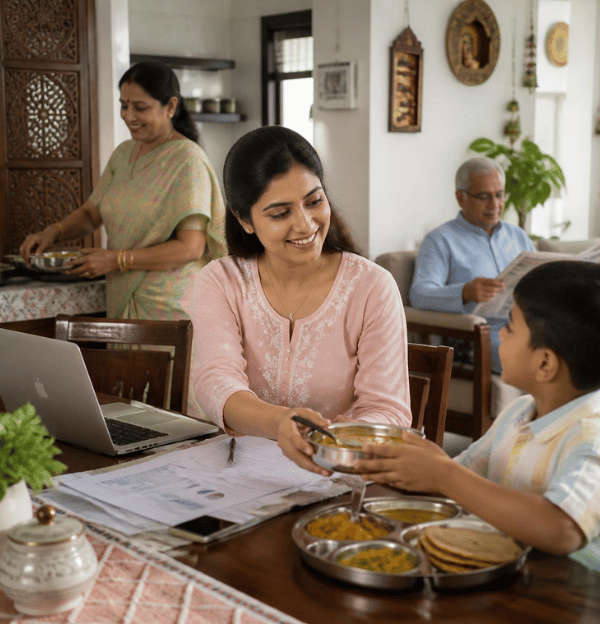
The role of a Gujarati Daughter-in-Law has changed significantly over the years. While traditional family values have remained very significant, the influence of modern lifestyles has added many more duties, prospects, and expectations to the responsibilities of daughters-in-law. Today, marriage has become more about partnership and responsibility and not gendered roles. As a consequence, daughters-in-law can be seen taking part in both family affairs and their personal lives.
The respect of elders is one of the most important values for the people of Gujarat. Showing respect, participating in the family traditions and maintaining good relationships with relatives helps to build emotional connections in the family. Modern Gujarati families know that respect must be reciprocal. When the daughter-in-law respects the views, preferences and individuality of her in-laws, then good relations can be established.
Many Gujarati girls today seek to get educated, make their career, run their business or pursue some professional goals after getting married. Far from considering career goals as something which is completely detached from family affairs, the supportive families understand that personal success is only a positive thing for the whole family.
Communication is among the most important characteristics in building a healthy relationship between two people. Having open talks regarding duties around the house, financial matters, career choice, family traditions, and expectations will prevent misunderstandings from happening. No need to make any presumptions since communication will be used as an opportunity to make everybody feel appreciated.
Another feature in today’s marriage is responsibility. All duties, whether it is work around the house, care for children, financial plans, and care for the elderly should be shared by both spouses. Working together as a team and equal partners can relieve pressure and create a much more comfortable atmosphere at home.
At the same time, keeping the tradition of the Gujarati culture becomes significant. Taking part in different holidays and festivities like Navratri, Diwali, Uttarayan, Janmashtami, and other family events is another step in becoming closer emotionally to the new family of the Gujarati Daughter-in-Law. Learning traditions from one family and sharing them with another is a great cultural heritage for future generations.
Well-being should never be neglected. It requires some time to get used to a new family, way of life, and responsibilities. The families that are patient, encouraging and understanding help to cope with that much better. Daughters-in-law, who are ready to show compassion and tolerance to their environment, create an atmosphere of trust through their every-day behavior.
In summary, to be a good Gujarati Daughter-in-Law does not mean to meet impossible expectations and give up your identity. It means to create real relationships based on love, trust, communication and respect. When all members of a family are helping each other with patience and flexibility, the traditions and modernity will coexist successfully in one whole Gujarati family.

However, it should be noted that family relations do not come into being from one day to another. These are relations that form due to the combination of care, trust, understanding, and respect among others. The process of integration into the new family for a Gujarati Daughter-in-Law also implies undergoing a certain number of challenges and discovering new aspects of her future life.
The first condition for having family relations is establishing honest relations rather than imposing impossible demands on each other. It is obvious that every person has his/her own character, way of communication, and point of view. This will make the process of getting along easier. Gujarati Daughter-in-Law is bound to establish honest and trusting relations with family members.
As respect is an indispensable part of all the family relations, it is necessary to mention that this aspect should not be considered from only one side. Though it is desirable that daughters-in-law respect family traditions and values, they should also be appreciated for their ideas, education, career, and plans in life.
The ability to communicate openly will improve the relationships even further. It is easier to overcome any disagreement when people talk about responsibilities, future plans, money issues, parties, and individual problems calmly. This type of dialogue will decrease misunderstanding and make it possible for people to understand what each other expects. In most cases, such a discussion will help to avoid conflict.
Family tradition participation will contribute to stronger relationships too. Participation in the celebration of various festivals like Navratri, Diwali, Janmashtami, and Uttarayan provides an opportunity for having common experiences. Such a Gujarati daughter-in-law as I will feel closer to my relatives when I am ready to join them in their traditions, and at the same time, my relatives will be happy to see that I respect their traditions. In addition, modern families are glad to participate in the traditions from my own culture.
Teamwork is one more component of a happy family life. Household tasks should be distributed depending on schedules, abilities, and commitment of people, but not according to their traditional roles.
Growth is important after marriage too. This includes education, career development, being an entrepreneur, indulging in personal activities, and developing oneself to feel confident and satisfied in life. Positive families understand that the satisfaction and success of their Gujarati Daughter-in-Law adds value to their lives emotionally and financially.
Last but not least, patience and understanding are important because adapting into a new family takes time. Each and every relationship evolves over time with patience, kindness, forgiving and mutual support. Rather than trying to be perfect all the time, families that embrace learning and growing form strong bonds based on trust and affection.
It is important to note that being a Gujarati Daughter-in-Law does not mean giving up one’s identity. It means becoming a part of the loving family without losing individualism. Love, respect, communication, and cooperation will define all the relationships and bring harmony and joy to everyone’s life.
Offering Multilingual Choices
Offering Multilingual Choices
Offering Multilingual Choices
Offering Multilingual Choices
Healthy family ties are formed through simple acts of kindness, good communication, and mutual respect. A Gujarati Daughter-in-Law can develop healthy ties with family members by showing kindness, consideration, patience, and cooperation during day-to-day activities. At the same time, families have their own part to play in contributing to healthy ties as well. Healthy ties are always a two-way process because no relationship is ever built on the basis of mere expectations alone. The below-mentioned tips will help build healthy family ties.
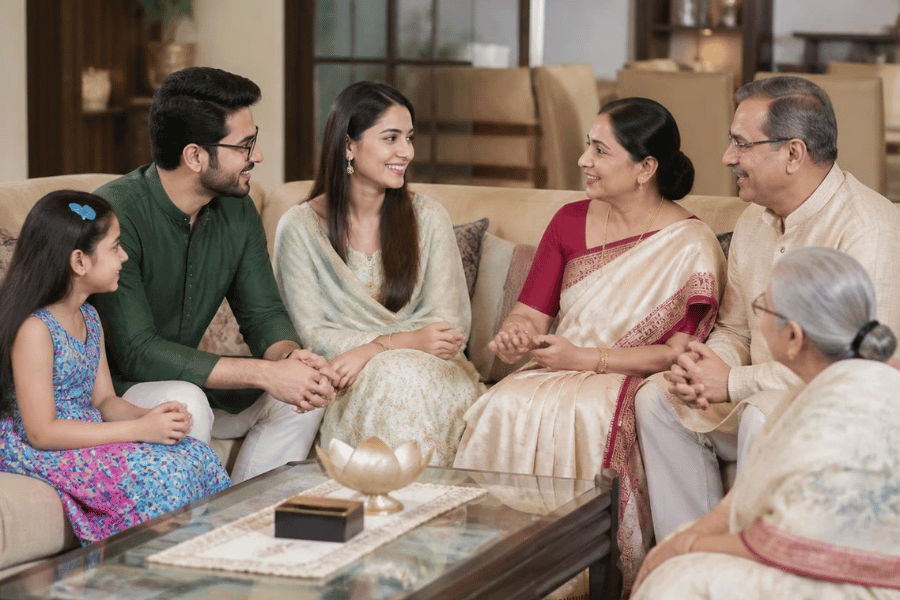
One of the most powerful values in the Gujarati culture is respect. Gujarati Daughter-in-law can foster meaningful relationships through respecting all the members of her family through being polite, patient, and empathic with them. Listening attentively, speaking respectfully, and valuing other people’s views will ensure that a hospitable environment is created in the house. Respect should be reciprocal so that everyone can express his or her views without feeling uncomfortable. The families that respect individuals’ identities foster more emotionally bonding relationships and foster a spirit of trust.
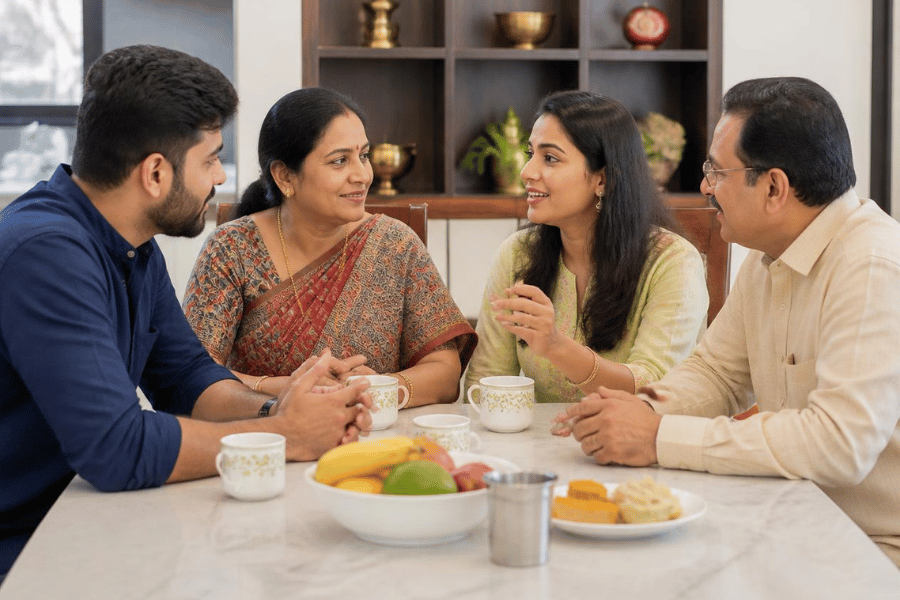
Open communication can assist families in solving conflicts and prevent any unnecessary miscommunication within them. The Gujarati Daughter-in-Law is supposed to be at ease when she is expressing herself and at the same time giving other people a chance to speak. Talking about roles, money, festivals, future plans, and expectations is an example of transparency in the family. Rather than just assuming things, it is important to talk about everything to understand different perspectives.
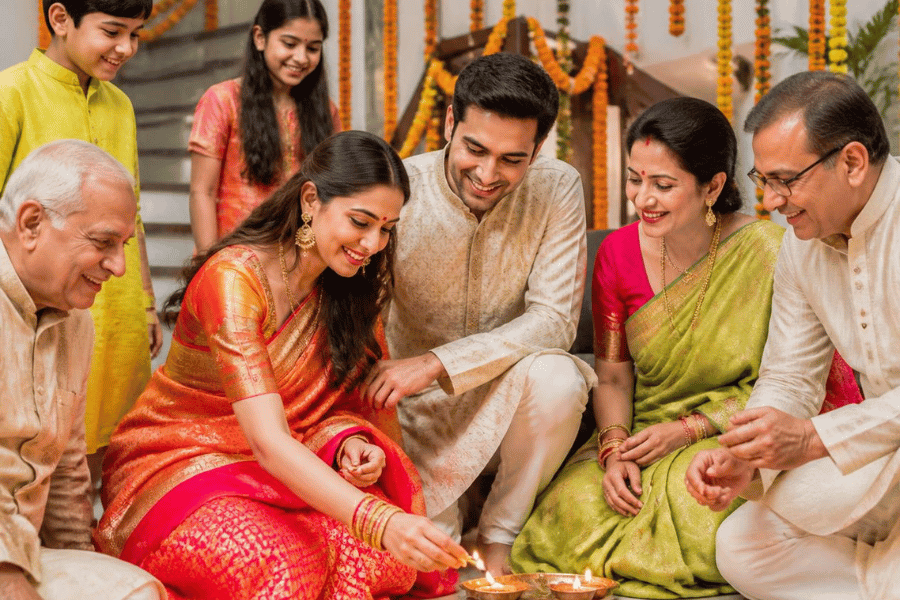
Culture among the Gujaratis is full of vibrant festivals and traditions. Getting involved in activities such as Navratri, Diwali, Uttarayan, Janmashtami, and others would help the Gujarati Daughter-in-Law develop an attachment to her new family. There will be an opportunity to bond with each other through celebration and making memories. Present-day families value those traditions brought in by their daughters-in-law. This adds some variety into the family life and helps to preserve the amazing culture which Gujarati families are proud of.
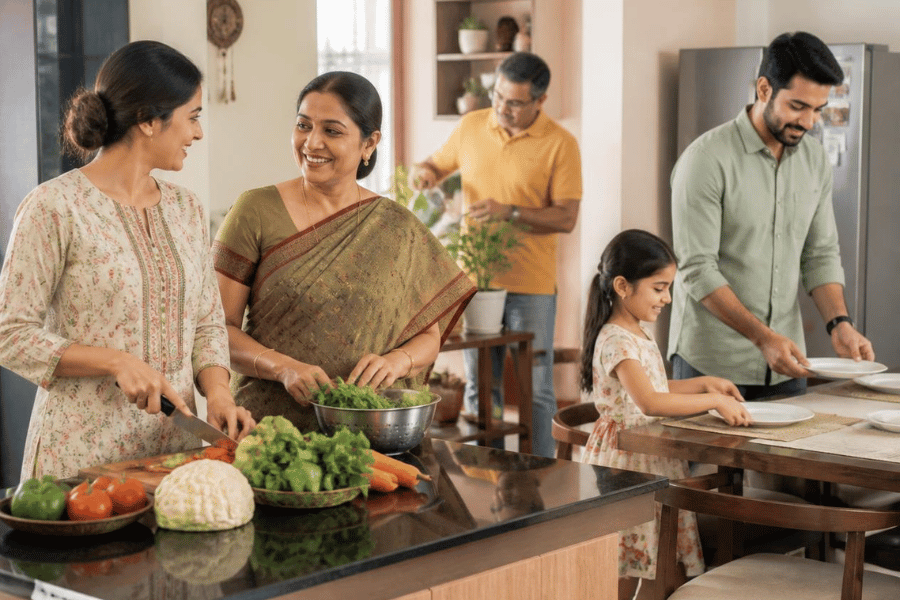
The management of the house needs to be seen as a joint effort rather than an individual duty. A Positive contribution from A Gujarati Daughter-in-law can be made by working along with their spouse and other members of the family on the basis of their timings and capabilities. Sharing of work like cooking, cleaning, shopping, taking care of children and organizing the household will lead to reduced pressure and equal distribution of efforts. A cooperative family will make a healthy family atmosphere.

Personal growth must not be halted at any time. The Gujarati Daughter-in-law can go ahead with furthering her education or building careers while actively participating in family matters. In supportive families, the idea is that personal success adds value to all of the family members because it adds confidence, economic security, and happiness. Personal growth motivates future generations to pursue excellence and builds a culture where all family members can feel inspired to meet their objectives.
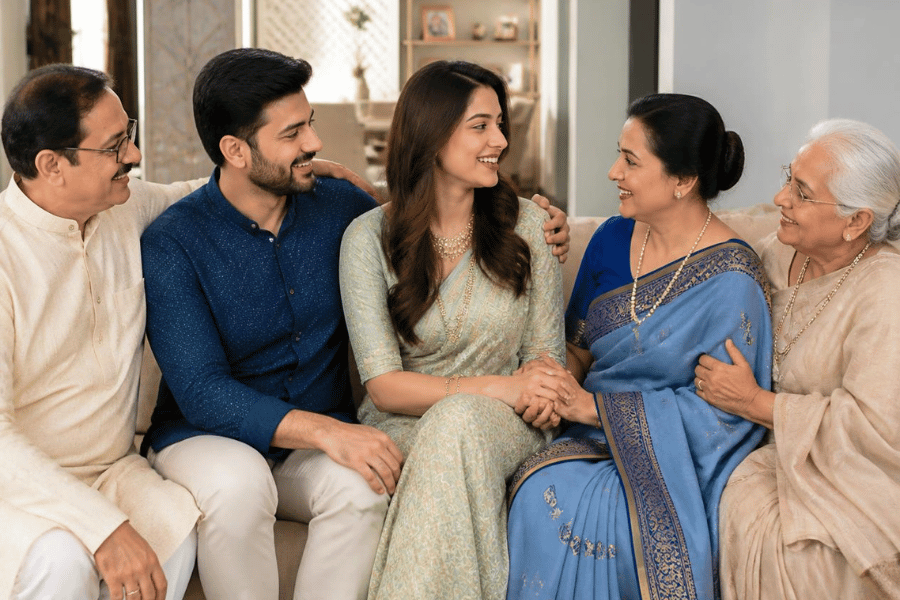
All relationships take time to develop. The Gujarati Daughter-in-Law will be able to foster bonds within her family if she shows patience, kindness, forgiveness, and understanding through her interactions. Moving into a new household might pose difficulties; however, reacting in a composed manner will help settle disputes. Likewise, family members need to be supportive rather than criticizing her as she adjusts to her surroundings. Emotional support from both sides will establish trust, relieve tension, and form long-lasting bonds that are based on love and respect.
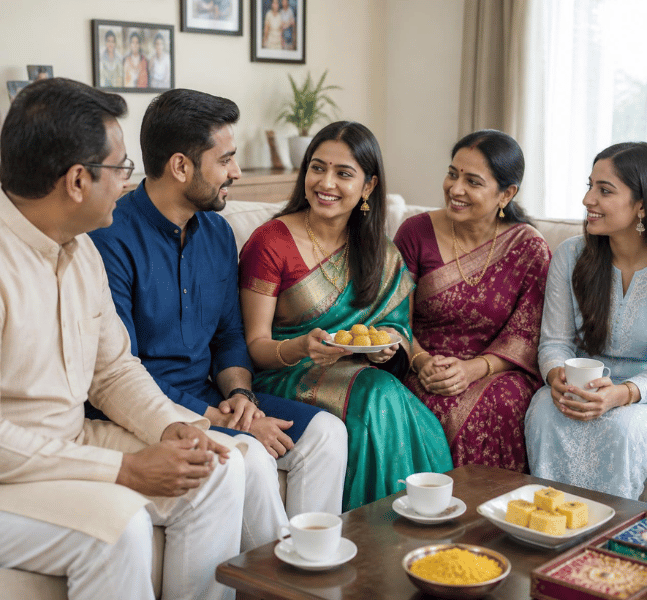
Harmony among the members of the family holds great value in Gujarati culture. Every family member works towards making their home a place that promotes peace, love, and support in relationships that keep getting stronger with time. Being a Gujarati Daughter-in-Law implies taking the opportunity to develop strong relationships based on respect and understanding while being welcomed by the family with kindness and encouragement.
It takes time to adapt to a new environment, especially when each family has its own traditions, daily routine, communication style, and expectations. Rather than striving for perfection right away, a Gujarati Daughter-in-Law and her family should be patient with one another and try to understand and accept each other.
Mutual respect is a key element of every healthy relationship. When a Gujarati Daughter-in-Law respects elders, observes family traditions, and communicates politely, she will definitely get appreciation from her family members. However, she, in turn, should receive equal respect from them regarding her education, profession, values, and personal qualities.
Good communication is equally crucial in sustaining family harmony. Talking openly about household chores, financial planning, celebration plans, future ambitions, and personal issues promotes transparency in the house. Calmly discussing the differences will prevent any disagreements and encourage all the family members to be heard and understood. Good communication fosters trust and creates lasting emotional security.
Gujarati families are gradually moving towards promoting education, successful careers, running business, or developing other professional skills among daughters-in-law after marriage. Such actions show trust and appreciation in addition to having a positive effect on the economic and emotional state of the family. The confident and self-assured Gujarati Daughter-in-Law brings more happiness and stability to the house.
Sharing responsibilities is becoming an integral part of family life as well. It is better to see cooking, cleaning, child care, financial planning, and care for elderly relatives as responsibilities of all members rather than following old traditions. This way, life is easier and more pleasant for all family members.
Attending the festivals such as Navratri, Diwali, Uttarayan, Janmashtami, and family gatherings helps in strengthening relationships through shared experiences. In addition, it provides opportunities to uphold the culture and create memorable moments. There are many contemporary families who find it important to uphold the tradition of the daughter-in-law from her background as well.
It is as important to provide emotional support to each other in marriage. Everyone goes through difficult times in adjusting to new duties and relations. It is better to appreciate rather than criticize the partner so that a good environment is maintained in the family.
Finally, being a Gujarati Daughter-in-Law does not mean living up to some impossible expectations and losing one’s identity. It means becoming a part of the family with empathy, cooperation, sincerity, and respect. When all members put efforts in building the house with patience and respect for each other, then tradition is maintained along with the values of contemporary times.
A successful marriage is built on trust, cooperation, understanding, and mutual respect rather than fixed expectations. Every Gujarati Daughter-in-Law enters a new family with her own experiences, values, and aspirations. Likewise, every family has traditions that shape its identity. When both sides make sincere efforts to understand one another, relationships naturally become stronger over time. The following practices help create a welcoming family environment where respect, communication, shared responsibilities, and emotional support encourage lasting harmony and lifelong happiness.

Every member of a Gujarati family has a unique personality, communication style, and perspective. A Gujarati Daughter-in-Law can strengthen relationships by accepting these differences instead of expecting everyone to think alike. Showing patience, listening attentively, and responding with kindness encourage healthy interactions within the household. Likewise, family members should appreciate her individuality, educational background, career ambitions, and personal values.
Respecting individuality creates emotional security because everyone feels accepted for who they are. Instead of comparing people or expecting perfection, families should celebrate each person’s strengths and contributions. Healthy relationships grow when individuals are encouraged to express themselves honestly without fear of criticism.
Simple habits such as acknowledging each other’s efforts, appreciating achievements, and offering encouragement during challenging situations build stronger emotional bonds. Over time, mutual respect creates trust, reduces unnecessary conflicts, and establishes a positive atmosphere where every member feels valued.
Ultimately, successful family relationships are not based on changing someone’s personality but on understanding and appreciating each other’s differences with compassion and maturity.

Communication is one of the most important elements of a happy marriage and family life. A Gujarati Daughter-in-Law who communicates openly and respectfully can strengthen relationships with both her spouse and in-laws. Honest discussions about responsibilities, family expectations, celebrations, finances, and future plans help avoid misunderstandings before they develop into conflicts.
Listening is equally important. Family members who patiently hear one another’s opinions create an atmosphere of trust where everyone feels comfortable sharing thoughts and concerns. Open communication also allows problems to be solved through cooperation rather than assumptions.
Modern Gujarati families increasingly encourage discussions instead of imposing decisions. This collaborative approach helps every member contribute ideas while respecting traditional values.
When conversations are guided by honesty, empathy, and patience, families develop stronger emotional connections that continue to grow throughout married life.

Today’s Gujarati Daughter-in-Law often balances multiple responsibilities, including professional careers, education, business, and household commitments. Successfully managing these responsibilities becomes easier when the family works together instead of expecting one individual to handle everything alone.
Supportive spouses and in-laws understand that personal growth contributes positively to the family. Encouraging career development while sharing household responsibilities creates equality and reduces unnecessary stress.
Planning daily routines together, dividing responsibilities fairly, and respecting professional commitments help maintain harmony within the home. Families that value teamwork often experience healthier relationships because everyone contributes according to their abilities.
Rather than viewing career and family as competing priorities, modern Gujarati households increasingly recognize that both can flourish simultaneously through cooperation, understanding, and mutual encouragement.

Gujarati traditions remain an important part of family life, bringing generations together through festivals, ceremonies, and shared cultural experiences. A Gujarati Daughter-in-Law who participates enthusiastically in celebrations such as Navratri, Diwali, Uttarayan, Janmashtami, and family gatherings strengthens her connection with relatives.
At the same time, modern families often appreciate learning traditions from her own upbringing, creating an environment where different customs are respected equally. This cultural exchange enriches family life while preserving heritage for future generations.
Celebrations provide opportunities to spend quality time together, strengthen emotional bonds, and create meaningful memories. Families that embrace both tradition and modern thinking encourage inclusiveness and mutual appreciation.
Respecting cultural values while remaining open to positive change helps create a balanced family environment that honors the past while preparing confidently for the future.

Disagreements are a natural part of every family relationship. What matters most is how those situations are handled. A Gujarati Daughter-in-Law who approaches challenges calmly, listens carefully, and seeks practical solutions helps maintain family harmony.
Instead of reacting emotionally during disagreements, taking time to understand different viewpoints often leads to better outcomes. Likewise, family members should avoid criticism and offer constructive guidance with kindness and patience.
Forgiveness also plays an important role in maintaining healthy relationships. Small misunderstandings should not become long-term conflicts when open communication and empathy can resolve them peacefully.
Families that solve problems together build stronger trust and emotional resilience, allowing every member to feel secure, respected, and supported during both joyful and challenging times.

Long-lasting family happiness is created through consistent effort rather than occasional gestures. A Gujarati Daughter-in-Law contributes positively by practicing kindness, honesty, gratitude, patience, and understanding in everyday life. Similarly, spouses and in-laws strengthen relationships by offering encouragement, appreciation, and unconditional support.
Small daily actions—sharing meals, celebrating achievements, helping one another, expressing gratitude, and spending quality time together—gradually create deep emotional connections. These habits build trust that lasts through every stage of married life.
Healthy families understand that relationships require continuous care from everyone involved. When love is supported by respect, communication, cooperation, and emotional understanding, the family becomes a place where every member feels accepted and valued.
Ultimately, the true role of a Gujarati Daughter-in-Law is not defined by rigid expectations but by her ability to build meaningful relationships alongside a family that welcomes her with equal love, respect, and mutual commitment.
With 140+ branches across USA, largest network of its kind
Modern Gujarati families appreciate qualities such as respect, honesty, kindness, responsibility, and good communication. A Gujarati Daughter-in-Law is encouraged to participate in family traditions while maintaining her individuality and personal goals. Today’s families increasingly value mutual understanding rather than rigid expectations. Building strong relationships through trust, empathy, and cooperation creates a positive environment where everyone feels respected and supported.
Strong relationships develop through consistent communication, patience, and mutual respect. Listening carefully, participating in family activities, showing appreciation, and offering support during important moments help create emotional connections. A Gujarati Daughter-in-Law should also feel comfortable expressing her own thoughts respectfully. Healthy relationships grow when every family member values openness, kindness, and understanding.
Yes. Many modern Gujarati families encourage daughters-in-law to pursue careers, higher education, entrepreneurship, and professional growth. Balancing work and family becomes easier when spouses share responsibilities and communicate openly. A successful Gujarati Daughter-in-Law can contribute to both her professional goals and family life through proper planning, teamwork, and mutual support from loved ones.
Gujarati traditions help preserve family values, strengthen relationships, and create meaningful memories across generations. Participating in festivals, religious ceremonies, and family celebrations allows a Gujarati Daughter-in-Law to connect with relatives and better understand family customs. At the same time, modern families often appreciate learning traditions from her own background, creating a respectful blend of cultures.
Disagreements should be addressed through calm conversations rather than emotional reactions. Listening patiently, understanding different viewpoints, and discussing concerns respectfully help resolve conflicts peacefully. A Gujarati Daughter-in-Law and her family should avoid assumptions and instead work together to find practical solutions. Patience, empathy, and forgiveness strengthen relationships during challenging situations.
Yes. Many Gujarati families now believe household responsibilities should be shared according to each person’s schedule, abilities, and commitments. Cooking, childcare, cleaning, financial planning, and daily tasks become easier when everyone contributes together. A Gujarati Daughter-in-Law should not be expected to manage everything alone, as teamwork creates a healthier and happier family environment.
Trust develops gradually through honesty, consistency, and respectful communication. Keeping promises, showing appreciation, supporting family members during important moments, and discussing concerns openly strengthen relationships over time. A Gujarati Daughter-in-Law who behaves with sincerity and empathy naturally earns confidence, while supportive family members help create an emotionally secure environment built on mutual trust.
Common mistakes include booking vendors without setting a budget, underestimating hidden expenses, ignoring contingency funds, making emotional purchases, expanding guest lists unexpectedly, and choosing vendors based only on price. Avoiding these mistakes helps couples manage finances responsibly while creating a memorable and culturally rich wedding celebration.
Every family and individual is different, so adjustment takes varying amounts of time. Building relationships gradually through patience, understanding, and open communication makes the transition smoother. A Gujarati Daughter-in-Law should never feel pressured to adapt instantly. Families that offer encouragement, guidance, and emotional support help create lasting comfort and confidence during this important life change.
Long-term happiness comes from mutual respect, love, communication, emotional support, and shared responsibilities. A successful Gujarati Daughter-in-Law thrives in an environment where her opinions, ambitions, and individuality are valued. Likewise, participating in family traditions, maintaining positive relationships, and working together as equal partners help create a peaceful home where everyone grows together with trust, understanding, and happiness.
Budget Planning for a Gujarati Wedding
Stay ahead of the curve! Subscribe for the latest updates, exclusive.
Copyright © 2025 Gujarati Soulmate.