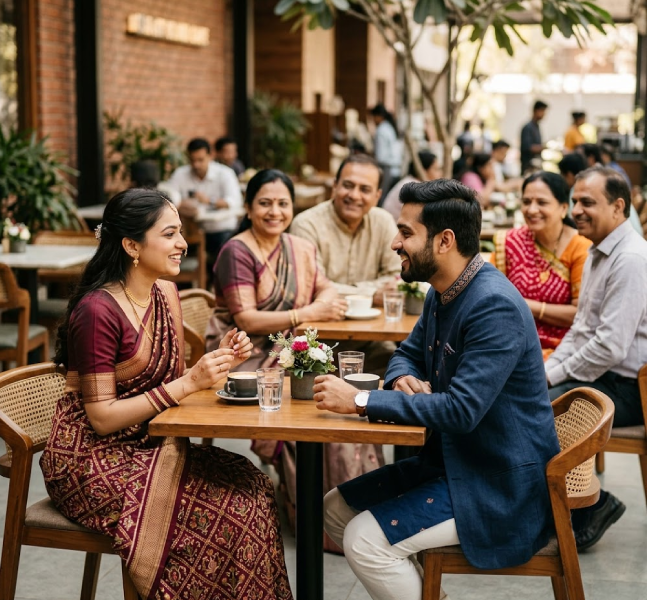
Marriage is a beautiful journey that connects two individuals with different personalities, experiences, and backgrounds. When two people from different cultures come together, their relationship becomes an opportunity to learn, grow, and celebrate diversity. For Gujarati couples entering a cross-cultural marriage, understanding differences while maintaining love and respect is essential for building a successful partnership. Cross-Cultural Marriage Tips help couples create harmony by improving communication, appreciating traditions, and developing a deeper understanding of each other’s values.
Cross-cultural marriages often bring exciting experiences along with unique challenges. Differences in language, food habits, family traditions, religious practices, lifestyle choices, and social expectations may require patience and adjustment from both partners. Instead of viewing these differences as obstacles, couples can see them as opportunities to expand their perspectives and create a richer family environment.
For Gujarati couples, family values and traditions often hold significant importance. Festivals, customs, family gatherings, and cultural practices are deeply connected with emotional relationships. At the same time, couples from different cultural backgrounds may have their own traditions and beliefs that deserve equal respect. Finding a balance between both cultures allows couples to create a relationship where everyone feels valued.
Effective communication is one of the most important elements of a successful cross-cultural marriage. Partners should openly discuss expectations related to family responsibilities, celebrations, finances, careers, and future plans. Honest conversations help prevent misunderstandings and create a strong foundation of trust.
Respecting each other’s backgrounds is equally important. A successful marriage does not require one partner to completely adopt the other’s culture. Instead, both individuals can learn from each other while maintaining their personal identities. This approach allows couples to build a unique relationship that combines the best aspects of both cultures.
Cross-Cultural Marriage Tips encourage couples to practice patience, empathy, flexibility, and understanding. By accepting differences and focusing on shared values, Gujarati couples can create a loving relationship that celebrates diversity. With mutual support and commitment, cross-cultural marriages can become a beautiful blend of traditions, experiences, and lifelong happiness.
A successful cross-cultural marriage requires understanding, acceptance, and continuous effort from both partners. Gujarati couples who enter intercultural relationships often experience the beauty of combining different traditions, lifestyles, and perspectives. However, maintaining a healthy relationship requires awareness of cultural differences and a willingness to adapt.
One of the most important Cross-Cultural Marriage Tips is developing strong communication between partners. Discussing feelings, expectations, and concerns openly helps couples understand each other’s viewpoints. Clear communication reduces confusion and allows both individuals to support each other during challenging situations.
Respecting family values is another important factor. Gujarati families often share strong emotional connections and cultural traditions. When partners respect each other’s families and participate in important celebrations, they create stronger bonds and encourage acceptance from both sides.
Flexibility also plays an important role in cross-cultural relationships. Couples may have different opinions about food choices, celebrations, parenting styles, social habits, or daily routines. Finding practical solutions together helps create balance and prevents unnecessary conflicts.
Maintaining individual identity while building a shared lifestyle is equally valuable. Couples should celebrate both cultures rather than choosing one over the other. This approach creates a relationship based on equality, appreciation, and mutual respect.
Ultimately, cross-cultural marriages succeed when couples focus on love, understanding, and teamwork. By embracing differences and celebrating similarities, Gujarati couples can build meaningful relationships that connect two cultures while creating a strong foundation for their future together.
A cross-cultural marriage brings together two individuals with different traditions, experiences, and perspectives. For Gujarati couples, creating a successful relationship requires understanding, respect, and willingness to learn from each other. Cross-Cultural Marriage Tips help couples overcome differences while building emotional connection and shared happiness. By appreciating each other’s backgrounds, discussing expectations openly, and creating a balance between both cultures, couples can develop a stronger relationship. The following important points guide Gujarati couples in managing cultural differences and creating a peaceful married life.

Learning about each other’s culture creates deeper respect and connection. Couples should understand traditions, family values, celebrations, and lifestyle choices that are important to their partners. Cross-Cultural Marriage Tips encourage couples to explore cultural differences with curiosity rather than judgment. Understanding backgrounds helps prevent misunderstandings and allows both partners to appreciate the uniqueness they bring into the relationship.

Open communication helps couples understand each other’s needs and priorities. Partners should discuss family responsibilities, traditions, finances, careers, and future goals before and after marriage. Honest conversations create trust and emotional security. Cross-Cultural Marriage Tips highlight that clear communication allows couples to solve problems together while respecting different opinions and cultural perspectives.

Family traditions often play an important role in Gujarati culture. Couples should respect each other’s family customs and participate in meaningful celebrations. Showing interest in a partner’s traditions demonstrates love and acceptance. Cross-Cultural Marriage Tips help couples create stronger relationships by encouraging appreciation for both families and building positive connections between different cultural backgrounds.

Combining traditions allows couples to create unique memories together. Celebrating festivals from both cultures, exploring different cuisines, and learning new customs strengthen relationships. Shared experiences help partners feel connected while creating a new family identity. Cross-Cultural Marriage Tips encourage couples to embrace diversity and develop a lifestyle that represents both backgrounds equally.

Cultural adaptation requires time and understanding from both partners. Differences in habits, communication styles, or family expectations may create challenges. Practicing patience helps couples handle these situations calmly. Cross-Cultural Marriage Tips remind couples that adjustment is a gradual process where empathy, flexibility, and emotional support play important roles in maintaining relationship harmony.

A successful cross-cultural marriage does not require partners to forget their own traditions. Maintaining personal identity while respecting another culture creates balance. Couples can continue celebrating Gujarati traditions while embracing new cultural experiences. Cross-Cultural Marriage Tips encourage couples to preserve their heritage while building a relationship that celebrates diversity and mutual respect.
Building a strong cross-cultural marriage requires continuous effort, understanding, and teamwork. Gujarati couples can create lasting relationships by respecting differences, supporting each other, and developing shared values. These practical approaches help couples manage cultural variations while creating a loving and balanced married life.
Every culture has unique beliefs, traditions, and family values that shape individual personalities. Couples should respect these differences and avoid comparing one culture with another. Cross-Cultural Marriage Tips encourage partners to understand the importance of each other’s values and create a relationship based on acceptance. Respecting cultural backgrounds helps couples develop trust, emotional connection, and long-term compatibility.
Family expectations can sometimes become challenging in cross-cultural marriages. Gujarati families often have strong traditions, while partners from different cultures may have their own perspectives. Couples should communicate clearly with both families and explain their choices respectfully. Understanding different expectations helps reduce conflicts and creates stronger relationships between families while supporting the couple’s happiness.
Celebrating traditions from both cultures creates a meaningful family environment. Gujarati festivals, rituals, and customs can be combined with the traditions of the other partner’s background. Cross-Cultural Marriage Tips suggest finding creative ways to honor both cultures equally. This approach helps couples create beautiful memories while teaching future generations about diverse cultural values.
Disagreements are natural in every marriage, especially when cultural differences are involved. Couples should approach conflicts with patience, respect, and understanding. Instead of focusing on differences, they should search for solutions together. Positive communication helps partners express feelings honestly and prevents cultural misunderstandings from affecting their relationship.
A healthy marriage allows both partners to grow individually and together. Supporting career goals, personal interests, and educational opportunities strengthens emotional connection. Cross-Cultural Marriage Tips emphasize that partners should encourage each other’s ambitions while creating a supportive environment. Mutual growth helps couples build confidence and develop a stronger partnership.
Creating a shared family identity helps couples feel connected despite cultural differences. Combining traditions, values, languages, and experiences allows couples to create something unique together. Cross-Cultural Marriage Tips encourage Gujarati couples to develop family practices that represent both backgrounds. A unified identity strengthens relationships and creates a positive environment for future generations.

Creating harmony in a cross-cultural marriage requires understanding, patience, and a strong commitment from both partners. For Gujarati couples, marriage often represents not only the connection between two individuals but also the relationship between two families and cultural backgrounds. When partners come from different cultures, they bring unique traditions, beliefs, communication styles, and life experiences. Learning to appreciate these differences helps couples build a peaceful and meaningful relationship.
One of the most important Cross-Cultural Marriage Tips is accepting that differences are a natural part of marriage. Couples should avoid trying to change each other’s personality or cultural identity. Instead, they should focus on understanding why certain traditions, habits, or values are important to their partner. This approach creates respect and strengthens emotional connection.
Gujarati culture is known for strong family bonds, traditional celebrations, and deep respect for relationships. In a cross-cultural marriage, sharing these values with a partner can create beautiful opportunities for connection. Introducing a partner to Gujarati festivals, food, customs, and family gatherings allows them to understand the cultural importance behind these traditions. Similarly, showing interest in the partner’s culture creates equality and appreciation.
Communication plays a major role in maintaining harmony. Couples should openly discuss important topics such as family expectations, financial responsibilities, lifestyle choices, religious practices, and future plans. Many conflicts in cross-cultural marriages occur because partners assume each other’s expectations instead of discussing them. Honest conversations help couples create solutions that respect both perspectives.
Another important factor is creating a balance between both cultures. Couples do not need to choose one culture over another. Instead, they can combine traditions and create their own family identity. Celebrating Gujarati festivals along with other cultural events, preparing different cuisines, and teaching children about both backgrounds can create a rich and diverse family environment.

Communication and respect are the foundation of every successful marriage, especially when couples come from different cultural backgrounds. In a cross-cultural relationship, partners may have different languages, traditions, family expectations, and ways of expressing emotions. For Gujarati couples, understanding these differences and developing healthy communication habits can create a stronger and more balanced relationship.
One of the most valuable Cross-Cultural Marriage Tips is to communicate openly and honestly. Partners should feel comfortable discussing their feelings, concerns, expectations, and experiences. Many cultural misunderstandings happen because individuals assume their partner understands their thoughts or traditions automatically. Clear communication helps couples explain their perspectives and develop deeper emotional understanding.
Respect is equally important because every individual carries their own cultural identity. A partner’s traditions, family values, beliefs, and lifestyle choices are connected to their personal history. Respecting these aspects shows love and acceptance. Couples should avoid treating one culture as superior to another and instead appreciate the uniqueness each person brings into the relationship.
Language differences can sometimes create communication challenges in cross-cultural marriages. Even when couples communicate in a common language, differences in expressions, meanings, and communication styles may exist. Learning each other’s preferred ways of communication helps reduce confusion and creates stronger emotional connections.
For Gujarati couples, family involvement is often an important part of marriage. Communication becomes necessary not only between partners but also between families. Discussing family expectations, traditions, and responsibilities helps avoid conflicts. When both partners explain their cultural backgrounds respectfully, families can develop better understanding and acceptance.
Respect also means supporting each other’s personal choices and growth. Partners should encourage each other’s careers, friendships, hobbies, and personal goals. A healthy relationship allows both individuals to maintain their independence while building a shared future together.
Offering Multilingual Choices
Offering Multilingual Choices
Offering Multilingual Choices
Offering Multilingual Choices
A successful cross-cultural marriage requires continuous understanding, flexibility, and emotional support from both partners. Gujarati couples can strengthen their relationships by respecting different cultural backgrounds while creating shared values and traditions. Cross-Cultural Marriage Tips help couples manage cultural differences, improve communication, and develop stronger emotional connections. By learning about each other’s lifestyles, supporting family relationships, and embracing diversity, couples can create a balanced married life where both individuals feel respected, valued, and loved.
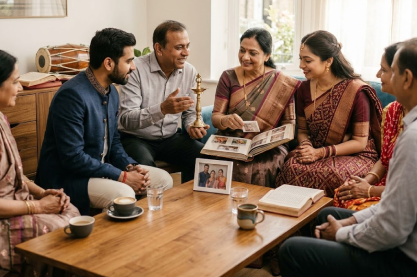
Understanding your partner’s cultural values creates stronger emotional connection and respect. Couples should learn about traditions, beliefs, celebrations, family practices, and social customs that are important to their partner. Cross-Cultural Marriage Tips encourage couples to ask questions, participate in cultural activities, and show genuine interest in each other’s backgrounds. This learning process helps remove misunderstandings and creates appreciation for the unique experiences each partner brings into the marriage.
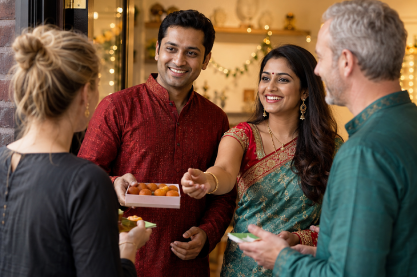
Balancing two cultures allows couples to build a unique family identity. Gujarati traditions such as festivals, food, rituals, and family gatherings can be combined with the partner’s cultural practices. Instead of choosing one culture over another, couples can celebrate the beauty of both backgrounds. Cross-Cultural Marriage Tips suggest creating new traditions that represent both partners equally. This balance helps couples feel connected to their roots while enjoying new cultural experiences together.
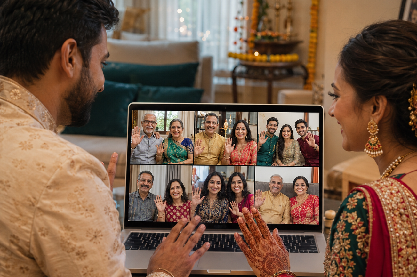
Family acceptance plays an important role in many Gujarati marriages. In cross-cultural relationships, both families may need time to understand different traditions and lifestyles. Couples should introduce their cultures patiently and respectfully while encouraging open conversations between family members. Supporting each other during this process strengthens the relationship. Creating positive connections between families helps develop trust, acceptance, and long-term harmony among everyone involved.

Language differences can sometimes create challenges in cross-cultural marriages. Learning each other’s languages or improving communication skills shows respect and commitment. Couples should focus on understanding emotions, expressions, and meanings beyond words. Cross-Cultural Marriage Tips highlight the importance of patience when communication styles differ. Positive conversations and active listening help couples overcome language barriers while creating deeper emotional understanding.
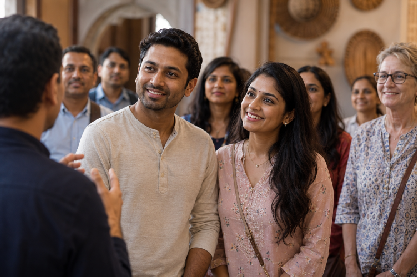
Cultural adjustment requires time, especially when partners have different habits, expectations, and lifestyles. Couples should avoid rushing the adaptation process and give each other space to learn. Patience helps partners handle differences calmly and find solutions together. During challenging moments, emotional support and understanding create a stronger bond. Accepting that adjustment is a shared journey allows couples to grow together.

Creating new family traditions helps couples combine their cultural backgrounds beautifully. These traditions may include celebrating festivals from both cultures, preparing different cuisines, teaching children about multiple backgrounds, or following shared family values. Cross-Cultural Marriage Tips encourage couples to focus on love, respect, and unity while creating their own traditions. A shared family identity strengthens relationships and provides future generations with appreciation for cultural diversity.

Building a successful future in a cross-cultural marriage requires more than accepting differences; it requires creating a strong partnership based on understanding, respect, and shared goals. For Gujarati couples, cultural understanding plays an important role in developing a relationship where both individuals feel connected, valued, and supported. When couples learn to appreciate each other’s backgrounds, they can transform cultural differences into opportunities for growth and happiness.
One of the most important Cross-Cultural Marriage Tips is developing a mindset of acceptance. Every culture has its own traditions, communication styles, family structures, and values. Instead of comparing cultures or focusing on differences, couples should try to understand the meaning behind each tradition. This approach creates respect and helps partners appreciate the experiences that shaped each other’s personalities.
Creating shared goals is another important step toward a successful future. Couples should discuss their dreams related to careers, family planning, finances, lifestyle choices, and personal growth. When partners work toward common objectives, cultural differences become easier to manage. A shared vision creates teamwork and strengthens the emotional connection between couples.
Family relationships are also significant in Gujarati culture. Maintaining positive relationships with both families requires patience and communication. Couples should encourage their families to learn about each other’s traditions and values. When families develop mutual respect, couples experience greater emotional support and acceptance.
Raising children in a cross-cultural marriage can also become a beautiful opportunity. Children can learn about multiple languages, traditions, celebrations, and perspectives. Teaching them about both cultural backgrounds helps them develop respect, confidence, and a broader understanding of the world. Parents can create a balanced environment where children feel proud of their diverse heritage.
Emotional support remains essential throughout the marriage journey. Cultural adjustments may create challenges at different stages of life. Partners should continue supporting each other’s feelings, ambitions, and personal development. A relationship built on encouragement and understanding allows both individuals to grow while maintaining a strong connection.
A successful cross-cultural marriage grows stronger when couples continue making efforts to understand, respect, and support each other throughout their journey. For Gujarati couples, maintaining cultural balance while creating a shared future requires patience, communication, and emotional connection. Cross-Cultural Marriage Tips help couples build a relationship where both partners feel valued and accepted. By encouraging equality, preserving cultural identity, supporting emotional well-being, and creating shared traditions, couples can develop a strong foundation for lifelong happiness.

A healthy cross-cultural marriage is built on equality, where both partners have equal importance, responsibilities, and decision-making opportunities. Couples should avoid situations where one culture dominates the relationship while the other is ignored. Gujarati couples can create harmony by respecting each other’s opinions, lifestyle choices, and personal goals.

Maintaining cultural identity is important for emotional connection and family bonding. Gujarati couples in cross-cultural marriages can continue celebrating their heritage while also accepting new cultural experiences. Preserving traditions does not mean avoiding change; instead, it means creating a balance between old values and modern lifestyles.

Emotional well-being plays a major role in maintaining a successful cross-cultural marriage. Adjusting to different traditions, languages, lifestyles, and social expectations can sometimes create stress or uncertainty. Couples should support each other emotionally during these transitions.

Family relationships are often an important part of Gujarati culture. In cross-cultural marriages, developing strong bonds between both families requires patience, communication, and understanding. Both families may have different traditions, expectations, and ways of expressing love.

Children growing up in cross-cultural families have the unique opportunity to experience multiple traditions and perspectives. Parents can help them appreciate both cultures by teaching them about their heritage, languages, festivals, and values.

The foundation of a successful cross-cultural marriage is mutual understanding. Couples who listen to each other, respect differences, and continue learning together can build a relationship that grows stronger over time.
With 140+ branches across USA, largest network of its kind
A successful cross-cultural marriage depends on love, respect, communication, and understanding between partners. Gujarati couples can build strong relationships by appreciating each other’s traditions, values, and lifestyles. Cross-Cultural Marriage Tips encourage couples to accept differences, discuss expectations openly, and create shared experiences. When both partners support each other’s backgrounds while building a common future, cultural diversity becomes a strength that improves their relationship and creates lifelong happiness.
Gujarati couples can handle cultural differences by developing patience, empathy, and open communication. Understanding the reasons behind different traditions and habits helps partners avoid misunderstandings. Instead of changing each other’s identities, couples should appreciate their unique backgrounds. Learning about each other’s customs, celebrating different occasions, and respecting family values create harmony. Cross-Cultural Marriage Tips help couples transform cultural differences into opportunities for learning and strengthening their emotional connection.
Communication is essential because cultural differences can sometimes create confusion or different expectations. Partners should openly discuss emotions, responsibilities, family traditions, finances, and future plans. Honest conversations help couples understand each other’s perspectives and prevent unnecessary conflicts. Cross-Cultural Marriage Tips highlight that active listening and respectful discussions create trust. Strong communication allows couples to solve challenges together and develop a deeper emotional connection throughout their married life.
Respecting family traditions helps create stronger relationships between partners and their families. Gujarati couples can introduce their traditions while also showing interest in their partner’s cultural practices. Participating in celebrations, understanding family values, and respecting customs create acceptance. Cross-Cultural Marriage Tips encourage couples to maintain balance by honoring both backgrounds. When families feel respected and included, they become more supportive of the couple’s journey.
Yes, Gujarati couples can maintain their traditions while embracing another culture. Celebrating festivals, preparing traditional food, speaking Gujarati, and following family customs help preserve cultural identity. At the same time, learning about another culture creates mutual respect and new experiences. Cross-Cultural Marriage Tips suggest combining both cultures instead of choosing one. This balance allows couples to create a unique family environment filled with diversity and understanding.
Managing family expectations requires patience, communication, and understanding from both partners. Different cultures may have different views about responsibilities, traditions, and lifestyle choices. Couples should discuss expectations clearly and find solutions that respect both families. Cross-Cultural Marriage Tips encourage couples to create healthy boundaries while maintaining positive relationships. Open communication with family members helps build trust and prevents cultural misunderstandings.
Emotional connection grows when couples spend quality time together, communicate openly, and support each other’s feelings. Cultural differences should not create distance; instead, they can become opportunities to learn more about each other. Partners should appreciate individual experiences and provide emotional support during adjustments. Cross-Cultural Marriage Tips encourage couples to practice empathy, patience, and understanding to create a stronger relationship based on love and trust.
Gujarati couples in cross-cultural marriages can teach children about both cultural backgrounds through traditions, languages, festivals, and family experiences. Encouraging children to understand multiple cultures helps them develop confidence and respect for diversity. Parents can create a balanced environment where children feel connected to both heritages. Cross-Cultural Marriage Tips suggest celebrating different customs and teaching children that cultural diversity is a valuable part of their identity.
Stay ahead of the curve! Subscribe for the latest updates, exclusive.
Copyright © 2025 Gujarati Soulmate.