
However, the Early Marriage vs Late Marriage issue has gained importance recently since people are taking diverse career paths. People may choose marrying early and building a family or postponing their wedding until financial and career stability. Neither way should be considered right or wrong because each individual has his/her own life situation, ambitions, and preferences.
Knowledge of the pros and cons of both approaches will help couples to make reasonable decisions and not to act under pressure of society. Marriages are one of the most serious decisions in one’s life and depend not only on age but also on compatibility, mutual understanding, and emotional readiness.
In the case of an early marriage, young people can experience various life periods together and gain a lot of experience in life. They will learn how to build a career and family and overcome all obstacles together and become emotionally strong and ready for any situation in life.
However, late marriages give people time to create their career paths, become financially independent and gain enough experience in life before getting married.
When considering the Early Marriage vs Late Marriage comparison one should take into account that the age factor is not the most important one when choosing the right time for marriage. Emotional maturity, financial stability, personal values, relationship maturity and respect matter much more than the number of years a person has spent in life. Two emotionally mature people in their twenties can have a much stronger marriage than two people who lack emotional maturity and marry at a later stage of their lives.
Marriage within Gujarati families involves many aspects such as education, career, traditions, family plans etc. So, knowing both perspectives of marriage gives families an opportunity to consider practical reasons of making a choice.
Thus, it should be understood that each good marriage starts with a good preparation rather than ideal timing. The success of early marriage or late marriage depends on a lot of factors such as honesty, open communication, trust, common goals and many others. Having knowledge of both Early Marriage vs Late Marriage will allow people to make a right decision.
In comparing Early Marriage vs Late Marriage, it is essential to realize that both these options present certain chances and challenges. The best age to marry greatly depends on maturity, emotional preparation, career plans, financial situation, family requirements, and compatibility of the couple. Instead of finding out which option is better in general, couples need to think of the way to make themselves happier.
In early marriage, people have a chance to share important stages of their lives with their partners. They can complete education, build their careers, buy property, and start families while evolving emotionally through joint experience. Starting building lives together at an early age helps partners become closer as they evolve alongside each other.
However, early marriage also presupposes emotional maturity and sound decision making. Young couples have to find the right balance between developing professionally, building careers, being financially independent, and growing up personally at once. Their success greatly depends on their ability to communicate, respect each other, and learn together.
The main advantage of late marriage is greater life experience, which includes financial and emotional stability. People know themselves better as they get older, so their decision-making improves accordingly.
Nonetheless, the disadvantages of late marriage come into play in their own way. In such cases, the process of adjusting to one another can be quite challenging due to job-related issues, lifestyle and routines. Furthermore, couples who choose to marry later may need to consider further expansion of their families based on their specific conditions.
The comparison between Early Marriage and Late Marriage must not lead to any sort of competition of the two options of life. Each relationship is different since every couple is unique in its way. Marriages are built through trust, compatibility, commitment, understanding and common values and not just based on the age of the couple.
Before deciding to enter into any kind of permanent relationships, couples should have an open conversation about their career perspectives, finances, family and parenting expectations, communication and their future goals in general. Such conversations will create a stronger base for marriage than using age as a key factor.
A proper knowledge on how Early Marriage differs from Late Marriage should not be limited to age difference, but rather focus on the impact of time on marriage relationships, career development, financial status, maturity level and family planning. Both are beneficial as long as both partners are matured enough and ready for healthy relationship building. Instead of choosing one to be the right choice, it is better to understand the implications of the two options on various aspects of married life.

Marriage influences career choices.
Early marriage often requires couples to balance education, career growth, and family responsibilities simultaneously. Partners may support each other’s professional development while building financial stability together. Late marriage usually allows individuals to establish careers before marriage, reducing financial uncertainty during the early years of married life. Neither option guarantees success because supportive communication and shared planning remain more important than timing alone.

Planning creates stronger marriages.
Financial readiness differs between early and late marriage. Younger couples may initially experience limited income while gradually improving their financial situation together. Couples marrying later often enjoy greater savings, career stability, and investment opportunities before marriage. Regardless of timing, responsible budgeting, transparency, and shared financial goals contribute significantly to long-term marital happiness.

Maturity supports healthy relationships.
Early marriage encourages couples to grow emotionally through shared experiences and life challenges. Partners learn patience, compromise, and teamwork while building their relationship. Late marriage often begins with greater emotional maturity because individuals have experienced personal growth before marriage. In both situations, emotional intelligence, empathy, and communication remain essential for successful lifelong partnerships.

Timing affects future planning.
Family planning becomes an important discussion within every Early Marriage vs Late Marriage comparison. Early marriage generally provides greater flexibility regarding parenting timelines and child spacing. Later marriage may involve more careful planning based on personal goals and health considerations. Honest conversations about parenting expectations help couples prepare for family responsibilities regardless of marriage timing.

Growing together creates connection.
Couples who marry early often experience important milestones together, including education, career growth, buying homes, and raising families. These shared experiences strengthen companionship because both individuals adapt together throughout different life stages. Couples marrying later bring greater individual life experience into the relationship, offering different strengths and perspectives.

Compatibility outweighs age.
The greatest lesson from Early Marriage vs Late Marriage is that compatibility always matters more than age. Trust, respect, communication, emotional maturity, and shared values determine relationship success. Couples who invest time understanding one another usually build healthier marriages regardless of whether they marry earlier or later in life.
Every marriage develops differently because every couple has unique priorities. These practical considerations help individuals evaluate whether early marriage or later marriage better supports their personal goals, emotional readiness, financial planning, and lifelong relationship expectations.
Emotional readiness remains one of the most important considerations when comparing Early Marriage vs Late Marriage. Marriage requires patience, empathy, responsibility, and willingness to compromise. Individuals should honestly evaluate whether they are prepared to communicate openly, handle disagreements respectfully, and support another person through changing circumstances.
Younger couples sometimes develop emotional maturity together through shared experiences, while later marriages may benefit from greater personal life experience before commitment. Neither situation automatically guarantees success. Emotional intelligence develops through self-awareness, communication, and continuous learning regardless of age.
Preparing emotionally before marriage helps couples create healthier relationships built upon trust, respect, and mutual understanding.
Financial preparation significantly influences everyday married life. Early marriages may begin with limited financial resources while couples gradually establish careers and savings together. Late marriages often provide greater financial stability because individuals have already developed careers and accumulated savings before marriage.
However, financial success depends more upon responsible planning than income alone. Couples should discuss budgeting, savings, investments, household responsibilities, and future financial goals openly before marriage. Transparency encourages trust while preventing future misunderstandings.
Whether marrying early or later, responsible financial management contributes greatly to relationship stability and long-term family security.
Never choose the first vendor you meet. Request quotations from multiple venues, caterers, decorators, photographers, and entertainment providers before making a decision. Compare pricing, services, reviews, and package inclusions instead of focusing only on cost. Many vendors are willing to negotiate or customize packages according to your requirements. Investing time in careful comparisons often results in substantial savings while maintaining excellent service quality and helping you stay within your planned gujarati wedding budget.
Career ambitions often influence marriage timing because professional development requires time, focus, and flexibility. Some individuals choose early marriage while supporting each other’s educational and professional growth together. Others prefer completing career goals before marriage to reduce financial pressure.
Neither decision is universally better. Successful couples discuss career expectations honestly while respecting each other’s ambitions. Marriage should encourage professional growth rather than limiting personal opportunities.
Supportive partners celebrate achievements, encourage lifelong learning, and cooperate when making career-related decisions throughout marriage.
Family expectations play an important role, particularly within Gujarati families where traditions and responsibilities remain significant. Couples should discuss relationships with parents, festivals, caregiving expectations, living arrangements, and cultural traditions before marriage.
Understanding these responsibilities helps reduce misunderstandings while strengthening harmony between both families. Couples who communicate openly regarding family priorities generally adjust more comfortably after marriage because expectations are clearly understood.
Respect, flexibility, and cooperation create healthier family relationships regardless of marriage timing.
Daily lifestyle habits significantly affect long-term marital happiness. Couples should discuss work schedules, travel interests, social activities, health habits, household responsibilities, personal hobbies, and preferred routines before marriage.
Lifestyle compatibility does not require identical habits. Instead, willingness to respect differences and compromise demonstrates maturity. Partners who appreciate each other’s routines while remaining flexible usually experience smoother adjustments after marriage.
Understanding everyday expectations strengthens companionship while reducing unnecessary conflicts.
The most important conclusion from every Early Marriage vs Late Marriage discussion is that commitment matters far more than timing. Lifelong marriages succeed because both individuals remain dedicated to supporting each other through changing circumstances.
Commitment includes honesty, trust, responsibility, communication, patience, and willingness to solve problems together. Couples who consistently demonstrate these qualities create stronger emotional security while overcoming challenges successfully.
Whether marriage begins earlier or later, genuine commitment transforms compatibility into lasting partnership built upon respect, shared goals, and lifelong companionship.

Knowing how Early Marriage and Late Marriage Benefits start with comprehending how unique it is for early marriages when the people involved are emotionally mature and ready for the commitment ahead. Early marriages do not always make the people happy, but there are certain advantages that they can gain from it if the couple knows how to speak about their feelings, has shared values and supports each other in their future goals.
The first advantage of early marriage is growth. People get to go through all the significant events in their lives together such as earning a degree, starting a career, buying a house, dealing with money and having kids. It helps to build up an emotional bond because they both keep learning and growing along the way.
Flexibility is another huge advantage of marrying at a young age because these couples have more freedom and flexibility regarding when to have kids and do not feel the pressure of time passing.
Financial growth is another activity that couples can experience together. Even though the young couples might lack financial means at first, they tend to work well as a team due to their growing financial means and professional success.
Getting married early in life can also make a couple closer as they would have lots of time to spend together, thus generating many memories and gaining an insight into their partner’s personality through their daily experiences rather than random encounters.
The other factor that should be mentioned is the ability of young couples to adapt quickly. Having to move to a new place for their jobs, learn how to perform some tasks and adjust to the new situation, they manage to gain experience together.
Nevertheless, the success of early marriages hinges completely on readiness, not age. Emotions, communication, trust, financial stability, and common values are still very important irrespective of the timing of the marriage. It is imperative for couples never to get married at an early age just because of peer pressure and family expectations.
In conclusion, Early Marriage vs. Late Marriage comparison makes it clear that early marriage comes with benefits for those who are ready. Developing together, building their careers, having children, establishing lifelong partnership, and team-building skills may lead to the success of marriage with all these ingredients in place.

In addition to that, there are many benefits of having a late marriage compared to an early one. The individuals who opt to marry late usually spend extra years building their careers, improving financially, gaining personal experience, and getting to know themselves properly before taking such a big step.
Emotional maturity can be regarded as a benefit of having a late marriage. The people who have accumulated more life experience usually have a good control over their emotions and know how to solve problems rationally and peacefully without getting emotionally involved.
Stable career is another great benefit of having a late marriage. The majority of people like to establish themselves professionally before the marriage in order to be able to marry feeling financially stable.
It is easier for some couples to prepare themselves financially, because the savings, investments, planning for insurance and management of money usually become better due to professional experience. Open financial talks are still crucial, but the fact that there is more financial freedom decreases tension between the couple and makes it possible for them to concentrate on building their relationship.
It will also be easier for people to build their own identity if they get married late. People find out what they like and value, as well as what they aim for in life, through life experience. This will help individuals to select the right partners according to their personalities.
Maturity allows making better decisions. Those individuals who get married late can evaluate their compatibility by talking about various issues such as children, money, family values, career goals and life goals before they get married.
Even with these strengths, late marriage should never be taken as superior on its own terms. Just being older does not mean that one is more emotionally mature or compatible. In addition, young people can develop great marriages too because of good communication and other factors.
The main message that should be gleaned from this debate about Early Marriage vs Late Marriage is the importance of being well-prepared for marriage irrespective of when one decides to enter into it. This involves issues like having emotional readiness, common beliefs, commitment, communication, finances, and readiness to make life-long commitments.
A good marriage develops when both people are committed to helping each other despite changes and growing as individuals in the process. Choosing the right partner and preparing well can be much more important than simply being older. This means that people should not even ask which type of marriage is better but rather whether they are ready for one.
Offering Multilingual Choices
Offering Multilingual Choices
Offering Multilingual Choices
Offering Multilingual Choices
Selecting Early Marriage or Late Marriage needs an objective consideration and not just adhering to societal standards. Every couple is different due to their different sets of priorities, duties, and goals. Individuals need to consider all those aspects that determine their future together prior to entering into a long-term commitment. This includes things such as emotional maturity, financial stability, career objectives, family plans, and more.

Emotional readiness should always come before marriage timing.
Whether someone marries at twenty-three or thirty-three, emotional maturity remains one of the strongest predictors of marital success. Emotionally prepared individuals communicate honestly, manage disagreements respectfully, accept responsibility for mistakes, and remain supportive during stressful situations.
Couples should evaluate how they handle conflict, express emotions, respond to criticism, and support one another before marriage. These behaviours influence long-term compatibility far more than age. Emotional maturity creates patience, empathy, and resilience, allowing relationships to grow stronger through life’s changing circumstances.

Financial planning supports confident decision-making.
The Early Marriage vs Late Marriage discussion often includes financial stability because money affects many aspects of married life. Early marriages may begin with modest incomes while couples build careers together. Later marriages often benefit from greater savings and professional experience.
Regardless of timing, couples should discuss budgeting, investments, household expenses, emergency planning, and long-term financial goals. Honest conversations strengthen trust while encouraging teamwork. Financial stability develops through responsible planning rather than age alone, making communication essential before marriage.

Professional goals deserve thoughtful discussion before marriage.
Some individuals prefer establishing careers before marriage, while others enjoy growing professionally alongside their spouses. Neither choice is inherently better. The important factor is mutual understanding.
Couples should discuss career ambitions, relocation possibilities, work-life balance, education, entrepreneurship, and future professional plans. Supporting each other’s aspirations strengthens relationships because both individuals feel encouraged rather than restricted. Marriage should become a partnership that supports growth rather than limiting opportunities.
Families remain important throughout married life.
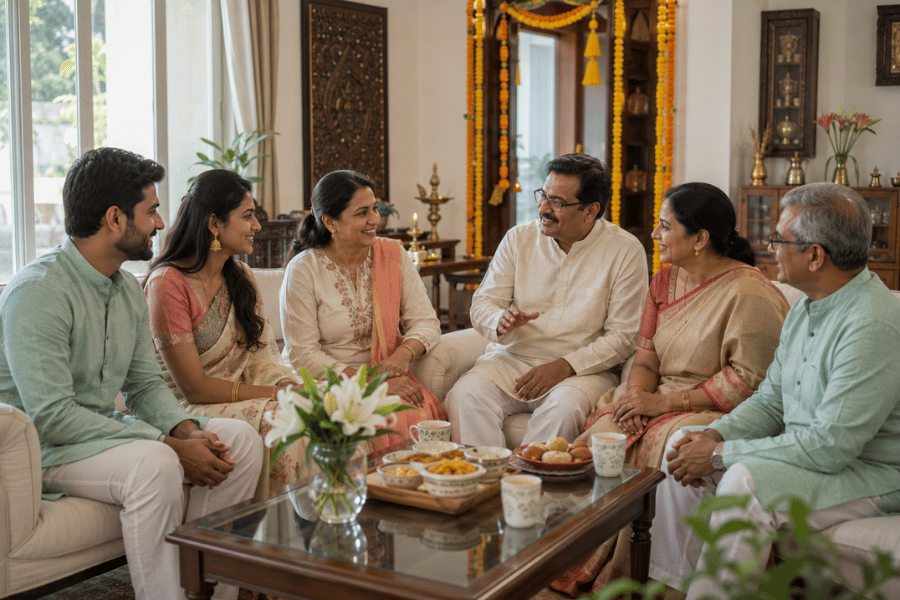
Especially within Gujarati culture, marriage often connects two families rather than only two individuals. Couples should openly discuss responsibilities toward parents, festivals, traditions, caregiving expectations, and family involvement before marriage.
Understanding these expectations prevents misunderstandings while strengthening harmony between both households. Respect for family values, combined with healthy personal boundaries, creates balanced relationships that benefit both partners and their extended families throughout married life.

Future family planning deserves careful consideration.
Whether choosing early or late marriage, couples should discuss parenting expectations before marriage. Topics include whether to have children, preferred parenting approaches, educational priorities, financial planning, and division of responsibilities.
These conversations encourage realistic planning while strengthening compatibility. Couples who openly discuss parenting goals usually feel more confident because they understand each other’s expectations before beginning family life. Honest communication creates stronger preparation for future responsibilities.

Compatibility always matters more than age.
The greatest lesson from Early Marriage vs Late Marriage is that shared values consistently outweigh perfect timing. Honesty, trust, respect, communication, kindness, responsibility, and commitment create healthier marriages than age alone.
Couples should evaluate whether they share similar principles regarding family, finances, careers, traditions, and future aspirations. Strong compatibility allows partners to make decisions together confidently while supporting each other’s personal growth. Shared values provide stability that strengthens marriages throughout every stage of life.

The analysis of the topic Early Marriage vs Late Marriage should not be perceived as a struggle to define which approach is better. It should help people think whether they are ready and able to get married. The success of marriage depends on the readiness of the right couple to create a joint future, but not on its timing.
Personal readiness includes several aspects. Emotional maturity helps spouses discuss things openly, negotiate issues, and support each other in difficult situations. Financial readiness helps with responsible behavior and minimizing the level of stress. Values increase the chances of compatibility since both people know what kind of approach they have toward careers, family, money, children, and personal development.
Some couples feel emotionally ready to start marriage at a younger age. They like to grow up as a team while being involved in education, career, finance, and parenthood processes. Other couples may want to establish themselves in terms of career and financial independence before getting married. Both options can lead to successful marriages provided that there is enough truth, trust, communication, and commitment.
The debate regarding Early Marriage vs Late Marriage also shows that one must avoid the outside influences when deciding the right time for marriage. It is essential not to take into account family demands, comparison with others, cultural opinion, or anything else while determining the right time for marriage. Each relationship is special since each person has his/her own path in life.
It is more useful for partners to wonder about their maturity and readiness to get married than to discuss if earlier or later marriage brings happiness to people. Do we have emotional readiness? Can we communicate freely? Are our values compatible? Did we speak about finances honestly? Are we ready to make compromises? Do we encourage each other’s aspirations?
Answers to such questions will be much more helpful than the age factor alone.
Compatibility should always be the top priority. Couples that trust each other, show mutual respect, can talk, and stand strong together in hard situations create successful marriages at any age.
Marriage is always about cooperation. Partners keep on developing together and help each other through different stages of life – career, families, financial issues, parenting, health problems, personal development, etc.
Thus, the choice of early marriage versus late marriage must be made by individuals after careful deliberation regarding readiness and not by comparison. Individuals who make adequate preparations before marriage often feel more confident and stable once the union is consummated. When decisions about marriage are made on the basis of trust, communication, compatibility, and respect, then marriage becomes an avenue of shared growth and happiness.
Every couple experiences a unique journey toward marriage, making preparation more valuable than perfect timing. The Early Marriage vs Late Marriage comparison offers meaningful insights, but lasting marital success depends on shared values, emotional maturity, trust, communication, and commitment rather than age. Understanding the following lessons helps couples evaluate their readiness while making thoughtful decisions based on personal circumstances instead of outside expectations. These practical insights encourage healthier relationships and stronger lifelong partnerships.

One of the biggest misconceptions surrounding Early Marriage vs Late Marriage is the belief that age alone determines relationship success. In reality, compatibility consistently outweighs timing. Couples who communicate openly, respect each other’s individuality, and share similar life values usually build healthier marriages than those who simply marry at what society considers the “ideal” age.
Compatibility includes emotional understanding, financial responsibility, mutual respect, communication, family values, parenting expectations, and long-term goals. These qualities influence daily married life far more than age. Two people who genuinely understand each other can build a successful relationship regardless of whether they marry earlier or later.
Instead of focusing on age, couples should invest time understanding one another honestly. Strong compatibility creates emotional security, encourages teamwork, improves conflict resolution, and supports lifelong happiness.

Emotional maturity should never be viewed as a destination reached at a specific age. Instead, it develops continuously through experience, self-awareness, communication, and personal growth. Both early and late marriages require emotional maturity because marriage introduces new responsibilities that challenge individuals in different ways.
Couples who marry early often develop maturity together while supporting one another through education, careers, finances, and family life. Couples marrying later may begin their relationship with greater personal experience, yet they still continue growing emotionally throughout marriage.
Successful partners remain open to learning, adapting, and improving themselves. They recognize mistakes, communicate respectfully, and approach disagreements with empathy rather than pride. Emotional maturity grows stronger when both individuals remain committed to supporting each other’s development throughout married life.

Communication remains one of the strongest foundations of every successful marriage regardless of timing. Honest conversations before marriage help couples understand each other’s expectations regarding finances, careers, parenting, family involvement, traditions, health, lifestyle, and future goals.
The Early Marriage vs Late Marriage comparison consistently demonstrates that misunderstandings often arise from assumptions rather than age. Couples who communicate openly avoid unnecessary disappointment because expectations have already been discussed honestly.
Effective communication also includes active listening. Respectfully understanding your partner’s perspective creates stronger emotional security while encouraging teamwork during life’s challenges. Continuous communication throughout marriage strengthens trust and helps relationships remain healthy despite changing circumstances.

Financial discussions deserve careful attention before marriage because money influences many aspects of family life. Couples should openly discuss budgeting, income, investments, savings, financial responsibilities, emergency planning, and long-term financial goals.
Early marriages may involve building financial stability together over time, while later marriages often begin with greater professional experience and established resources. Regardless of timing, successful financial management depends upon transparency, cooperation, and responsible planning.
Money should become a shared responsibility rather than a source of conflict. Couples who regularly review financial goals together often experience greater confidence because decisions are made collaboratively. Honest financial planning strengthens stability while supporting shared dreams such as home ownership, children’s education, retirement planning, and family security.

Marriage should strengthen individual growth rather than limiting personal development. Both early and late marriages benefit when partners continue learning, improving careers, developing hobbies, maintaining friendships, and pursuing meaningful ambitions.
Supporting each other’s growth demonstrates respect because both individuals remain committed to helping one another succeed personally and professionally. Healthy relationships celebrate achievements instead of creating competition or insecurity.
Shared goals and personal aspirations can successfully coexist when couples communicate openly about expectations and priorities. Encouraging lifelong learning and self-improvement strengthens marriages because both partners continue evolving while maintaining emotional connection and mutual appreciation throughout every stage of life.

Perhaps the greatest lesson from the Early Marriage vs Late Marriage discussion is that marriage represents a lifelong journey rather than a single decision. The wedding marks the beginning of the relationship, but daily actions determine its long-term success.
Commitment requires honesty, patience, forgiveness, communication, teamwork, emotional support, and willingness to adapt during changing life circumstances. Careers evolve, finances fluctuate, children grow, health changes, and family responsibilities increase over time. Strong marriages remain resilient because both partners continue investing in the relationship despite these changes.
Whether marriage begins early or later, lifelong commitment means choosing each other repeatedly through everyday actions. Consistent respect, trust, kindness, and shared responsibility create relationships that continue strengthening year after year. Ultimately, preparation, compatibility, and mutual dedication—not age—remain the true foundations of lasting marital happiness.
With 140+ branches across USA, largest network of its kind
There is no universal answer because relationship success depends on compatibility rather than age. The Early Marriage vs Late Marriage comparison shows that emotional maturity, communication, shared values, financial planning, and mutual respect influence marital happiness far more than marriage timing. Couples should evaluate their readiness honestly before making a lifelong commitment instead of relying on social expectations or age-based assumptions.
Emotional readiness develops through self-awareness, responsibility, empathy, patience, and honest communication. Couples should discuss future goals, finances, parenting expectations, family responsibilities, conflict resolution, and personal values before marriage. Individuals who communicate openly, solve disagreements respectfully, and support each other’s growth are generally better prepared for lifelong commitment regardless of whether they choose early or late marriage.
Financial planning creates transparency and reduces future misunderstandings. Couples should discuss income, budgeting, savings, investments, debt, insurance, and future financial goals before marriage. Whether choosing early or late marriage, responsible money management encourages teamwork and long-term stability. Shared financial expectations help couples make confident decisions while building trust throughout married life.
Yes. Healthy marriages encourage professional growth rather than limiting opportunities. Couples should discuss career ambitions, relocation possibilities, education, work-life balance, and long-term goals before marriage. Supportive partners celebrate achievements while cooperating during career decisions. Strong communication allows both individuals to pursue meaningful professional success while maintaining a balanced and happy relationship.
Family expectations significantly influence married life, especially within Gujarati families. Couples should discuss traditions, festivals, caregiving responsibilities, living arrangements, and relationships with parents before marriage. Honest conversations reduce misunderstandings while encouraging mutual respect for both families. Healthy family compatibility strengthens emotional security and supports long-term marital harmony.
Absolutely. Couples should openly discuss whether they want children, parenting styles, educational priorities, financial responsibilities, and childcare expectations. These conversations help both individuals understand each other’s long-term vision before marriage. Shared understanding creates stronger compatibility while reducing future disagreements regarding family planning and parenting responsibilities.
Honest communication builds trust by encouraging transparency, active listening, and mutual respect. Couples who discuss important topics openly usually resolve disagreements more effectively because they understand each other’s perspectives. Whether marrying early or later, healthy communication strengthens emotional connection while creating realistic expectations for lifelong partnership and shared decision-making.
Compatibility influences daily married life through shared values, communication, trust, emotional understanding, and mutual respect. Age alone cannot predict relationship success. Couples who genuinely understand each other usually build stronger partnerships because they cooperate effectively during changing life circumstances. Compatibility consistently remains more valuable than perfect marriage timing.
Yes. Healthy marriages encourage continuous learning, career development, hobbies, education, and personal improvement. Supportive partners celebrate achievements while respecting individual goals. Personal growth strengthens relationships because both individuals continue evolving together rather than feeling restricted. Encouragement and mutual respect create healthier lifelong partnerships.
Couples should evaluate emotional maturity, financial readiness, career stability, communication skills, family expectations, parenting goals, shared values, and relationship compatibility before deciding on marriage timing. The Early Marriage vs Late Marriage comparison demonstrates that thoughtful preparation creates stronger marriages than simply choosing a particular age. Honest discussions help couples make confident and informed lifelong decisions.
Budget Planning for a Gujarati Wedding
Stay ahead of the curve! Subscribe for the latest updates, exclusive.
Copyright © 2025 Gujarati Soulmate.