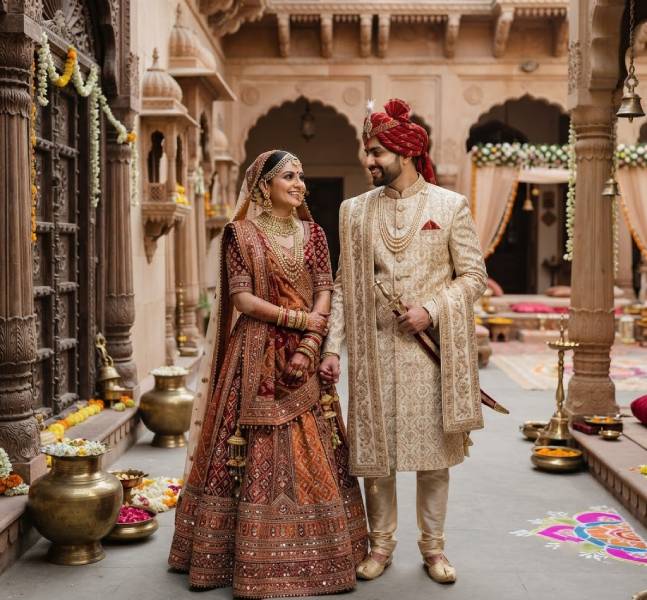
A traditional Gujarati wedding is a magnificent celebration of culture, family, and heritage, and the attire worn by the bride and groom plays a central role in reflecting these cherished values. Every gujarati wedding dress is more than just beautiful clothing—it represents generations of craftsmanship, cultural identity, and timeless traditions that have been preserved through centuries. From vibrant bridal lehengas to regal groom sherwanis, every outfit tells a story of elegance, spirituality, and celebration.
Gujarati wedding fashion is known for its rich fabrics, intricate embroidery, mirror work, zari detailing, bandhani patterns, and handcrafted embellishments. Brides traditionally wear colorful lehengas or Panetar and Gharchola sarees that symbolize prosperity, purity, and marital happiness. Grooms complement the celebration with elegant sherwanis, bandhgalas, or traditional kurtas paired with safa turbans, embroidered mojris, and graceful accessories that reflect dignity and cultural pride.
Choosing the perfect gujarati wedding dress requires careful consideration of several factors, including wedding traditions, ceremony type, personal style, comfort, fabric selection, seasonal weather, and budget. Modern couples often blend traditional craftsmanship with contemporary fashion, creating outfits that preserve cultural authenticity while reflecting individual personalities. This beautiful combination allows every couple to honor their heritage while celebrating their unique love story.
Accessories also play an essential role in completing the wedding ensemble. Bridal jewelry, dupattas, bangles, waist belts, nose rings, and traditional footwear enhance the bride’s appearance, while groom accessories such as turbans, brooches, pearl necklaces, stoles, and embroidered footwear add sophistication to traditional attire. Together, these elements create a harmonious and elegant wedding look.
This comprehensive guide explores everything you need to know about selecting the perfect gujarati wedding dress for both brides and grooms. From traditional outfit styles and fabric choices to color symbolism, styling tips, and modern fashion trends, you’ll discover how to choose wedding attire that beautifully celebrates Gujarati culture while making your special day truly unforgettable.
Selecting the ideal gujarati wedding dress is one of the most exciting parts of wedding planning. Wedding attire reflects not only personal style but also family traditions, cultural values, and the significance of the marriage ceremony itself. Every detail, from the fabric and embroidery to the colors and accessories, contributes to creating a memorable bridal and groom appearance.
For brides, traditional Gujarati wedding attire commonly includes Panetar sarees, Gharchola sarees, or elaborately embroidered lehengas. These garments often feature luxurious silk fabrics, intricate zari work, mirror embellishments, and vibrant colors such as red, maroon, green, and ivory. Each design carries symbolic meaning associated with prosperity, happiness, and new beginnings.
Grooms traditionally wear sherwanis, bandhgalas, or elegant kurtas crafted from premium fabrics like silk, velvet, jacquard, or brocade. Matching turbans, embroidered stoles, pearl necklaces, brooches, and traditional footwear complete the royal appearance while complementing the bride’s attire.
Comfort is equally important when selecting wedding outfits. Since Gujarati weddings include multiple ceremonies lasting several hours, couples should choose breathable fabrics, well-fitted garments, and lightweight accessories whenever possible. Balancing elegance with comfort allows the bride and groom to fully enjoy every celebration.
By understanding different styles, fabrics, traditions, and fashion trends, couples can confidently select a gujarati wedding dress that perfectly combines timeless heritage with modern sophistication, ensuring they look and feel their absolute best throughout their wedding celebrations.
Every traditional gujarati wedding dress consists of carefully chosen elements that together create an elegant and culturally meaningful appearance. From luxurious fabrics and detailed embroidery to traditional accessories and symbolic colors, every component contributes to the overall beauty of the wedding attire. Understanding these essentials helps couples make confident fashion choices while honoring Gujarati traditions.

The bridal lehenga is among the most iconic choices for a Gujarati bride. Rich fabrics such as silk, velvet, and brocade are beautifully decorated with zari, mirror work, sequins, and intricate embroidery. Traditional colors including red, maroon, green, and ivory symbolize prosperity, happiness, and new beginnings. Brides often personalize their lehengas while maintaining cultural authenticity. Selecting a high-quality gujarati wedding dress ensures elegance, comfort, and timeless beauty throughout every wedding ceremony.

A sherwani remains the preferred traditional outfit for Gujarati grooms. Crafted from luxurious fabrics such as silk, jacquard, velvet, or brocade, sherwanis feature elegant embroidery and sophisticated detailing. Matching churidar trousers, embroidered stoles, and traditional turbans enhance the regal appearance. Choosing colors that complement the bride’s attire creates a coordinated wedding look while maintaining traditional elegance and cultural pride throughout the celebration.

Panetar and Gharchola sarees hold deep cultural significance in Gujarati weddings. The Panetar, usually in ivory and red, symbolizes purity and blessings, while the Gharchola, decorated with intricate grid patterns and zari work, represents prosperity and marital happiness. Many brides wear both during different ceremonies, making these sarees an important part of traditional Gujarati bridal fashion and cultural heritage.

Accessories complete the elegance of every gujarati wedding dress. Brides traditionally wear necklaces, earrings, bangles, maang tikka, nose rings, waist belts, anklets, and embroidered dupattas. Grooms complement their attire with pearl malas, brooches, safa turbans, cufflinks, and mojris. Carefully selected accessories enhance the overall appearance while adding cultural authenticity and luxurious finishing touches to wedding outfits.

The choice of fabric greatly influences both appearance and comfort during wedding celebrations. Silk, Banarasi silk, velvet, brocade, jacquard, georgette, and organza remain popular choices for Gujarati wedding attire. High-quality fabrics provide graceful draping, elegant texture, and durability while ensuring the bride and groom remain comfortable throughout lengthy ceremonies, photographs, and celebrations.

Colors play a meaningful role in Gujarati wedding fashion. Red symbolizes love and prosperity, green represents growth and harmony, ivory reflects purity, while gold signifies wealth and blessings. Modern couples often introduce pastel shades or contemporary color combinations without losing traditional significance. Selecting meaningful colors allows every gujarati wedding dress to reflect both personal style and cultural heritage beautifully.
Selecting the perfect outfit is only part of creating a memorable wedding look. Thoughtful styling, coordinated accessories, and attention to traditional details help every gujarati wedding dress reflect elegance, cultural heritage, and personal style throughout every wedding ceremony and celebration.
A coordinated bridal and groom look creates a visually stunning wedding appearance. While both outfits do not need to match exactly, selecting complementary colors, embroidery patterns, or fabric textures creates balance and elegance. For example, the groom’s stole, turban, or pocket square can reflect colors from the bride’s lehenga or saree. Coordinated styling also enhances wedding photography and strengthens the traditional aesthetic of the celebration while allowing each outfit to maintain its unique identity.
Fabric selection directly affects comfort, appearance, and durability. Silk, Banarasi silk, brocade, jacquard, velvet, and organza remain popular choices for traditional Gujarati weddings. Lightweight fabrics work well for summer ceremonies, while velvet and heavier materials suit winter celebrations. Choosing breathable, high-quality textiles ensures the gujarati wedding dress remains elegant throughout long ceremonies while allowing the bride and groom to move comfortably and confidently.
Jewelry should enhance the outfit rather than overpower it. Brides can pair traditional necklaces, bangles, earrings, maang tikka, waist belts, and nose rings with their attire, while grooms can wear pearl malas, brooches, cufflinks, and elegant safas. Selecting accessories that match the embroidery, color palette, and overall design creates a refined and sophisticated appearance. Balanced styling highlights the craftsmanship of the wedding attire while preserving timeless Gujarati elegance.
Comfortable and stylish footwear is essential for lengthy Gujarati wedding celebrations. Brides often choose embroidered juttis or embellished sandals that complement their lehenga or saree, while grooms traditionally wear handcrafted mojris with sherwanis. Properly coordinated footwear enhances the complete wedding ensemble while ensuring comfort during ceremonies, photographs, and celebrations. Investing in quality footwear supports both appearance and practicality throughout the wedding day.
A carefully selected hairstyle completes the overall bridal or groom appearance. Brides often choose elegant buns adorned with fresh flowers, traditional hair accessories, or decorative pins, while grooms maintain neatly styled hair beneath their ceremonial turbans. The hairstyle should suit the outfit, jewelry, and face shape while remaining secure throughout multiple ceremonies. Thoughtful hairstyling enhances photographs and creates a polished, sophisticated wedding look.
Many modern couples successfully combine contemporary fashion with timeless Gujarati traditions. Subtle design updates, pastel color palettes, lightweight embroidery, or customized tailoring can modernize a gujarati wedding dress while preserving cultural authenticity. This balanced approach allows couples to express their personalities while respecting family traditions and celebrating the rich heritage of Gujarati wedding fashion.
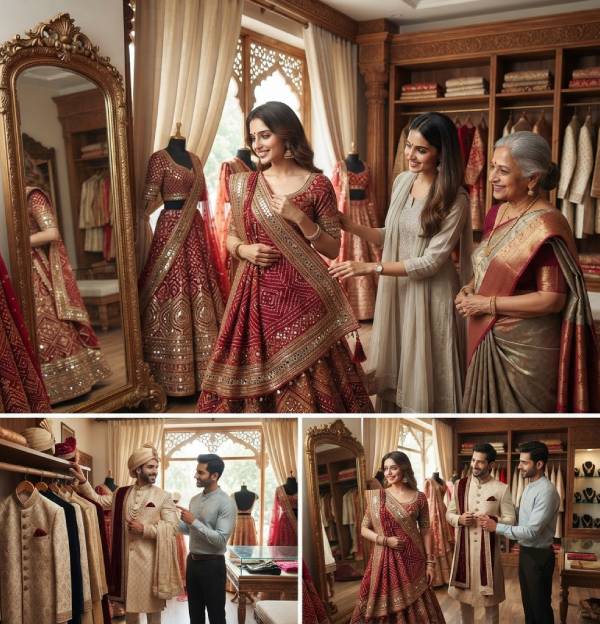
Selecting the ideal gujarati wedding dress involves much more than choosing an attractive design. The perfect outfit should reflect your personality, honor cultural traditions, complement the wedding theme, and provide lasting comfort throughout every ceremony. Since Gujarati weddings often include multiple celebrations over several days, couples should carefully evaluate every aspect of their attire before making a final decision.
Begin by considering the type of wedding ceremony you are planning. Traditional temple weddings, grand banquet celebrations, destination weddings, and intimate family gatherings each create different styling opportunities. Brides may prefer a classic Panetar or Gharchola saree for religious ceremonies before changing into an embroidered lehenga for the reception, while grooms can choose elegant sherwanis for the main ceremony and lighter ethnic outfits for pre-wedding events.
The choice of fabric is equally important. Premium materials such as silk, Banarasi silk, brocade, velvet, jacquard, and organza provide luxurious appearances while maintaining durability. Seasonal weather should also influence fabric selection. Lightweight textiles improve comfort during warmer months, while richer fabrics are ideal for winter celebrations.
Color coordination between the bride and groom creates a visually harmonious appearance without requiring identical outfits. Complementary shades, matching embroidery, or coordinated accessories help achieve an elegant traditional aesthetic. Personalized embroidery, family motifs, or meaningful design elements can also make every gujarati wedding dress unique while preserving cultural authenticity.
Finally, always schedule professional fittings well before the wedding. Proper tailoring ensures the outfit fits perfectly, allowing both comfort and confidence during ceremonies, photography sessions, and celebrations. The right wedding attire should not only showcase beautiful craftsmanship but also allow couples to fully enjoy every unforgettable moment of their special day.

Gujarati wedding fashion continues to evolve as modern couples embrace contemporary trends while preserving the beauty of traditional attire. Today’s gujarati wedding dress collections successfully blend timeless craftsmanship with updated silhouettes, luxurious fabrics, and personalized styling, creating elegant looks that honor heritage without sacrificing individuality.
One of the most popular trends is the use of pastel color palettes alongside traditional reds and maroons. Soft shades such as blush pink, ivory, peach, sage green, champagne gold, and lavender have become increasingly popular for receptions and engagement ceremonies. Despite these modern color choices, many couples still incorporate traditional Gujarati embroidery techniques such as zari work, mirror work, thread embroidery, and handcrafted embellishments.
Customization has also become an important aspect of wedding fashion. Brides frequently include personalized embroidery featuring initials, wedding dates, meaningful quotes, or family symbols within their lehengas or dupattas. Grooms similarly customize sherwanis with unique buttons, embroidered collars, monograms, or matching accessories that complement the bride’s attire.
Sustainability is another growing trend among modern couples. Many families now invest in high-quality wedding outfits designed to be worn again during festivals, family celebrations, or special occasions. Choosing versatile designs allows the gujarati wedding dress to remain valuable long after the wedding day while supporting environmentally conscious fashion choices.
Accessories have also evolved to reflect contemporary preferences. Brides often combine traditional jewelry with minimalist styling, while grooms incorporate elegant brooches, layered pearl necklaces, designer safas, and handcrafted mojris to complete sophisticated wedding ensembles.
Although fashion trends continue changing each year, the heart of Gujarati wedding attire remains rooted in culture, craftsmanship, and family traditions. Modern designs simply provide couples with additional opportunities to express their personalities while respecting centuries-old customs. This thoughtful balance ensures Gujarati wedding fashion remains elegant, meaningful, and admired by generations to come.
Offering Multilingual Choices
Offering Multilingual Choices
Offering Multilingual Choices
Offering Multilingual Choices
Choosing the ideal wedding outfit requires thoughtful planning, attention to detail, and respect for tradition. These expert recommendations will help couples select the perfect gujarati wedding dress while ensuring elegance, comfort, timeless style, and confidence throughout every wedding ceremony and celebration.
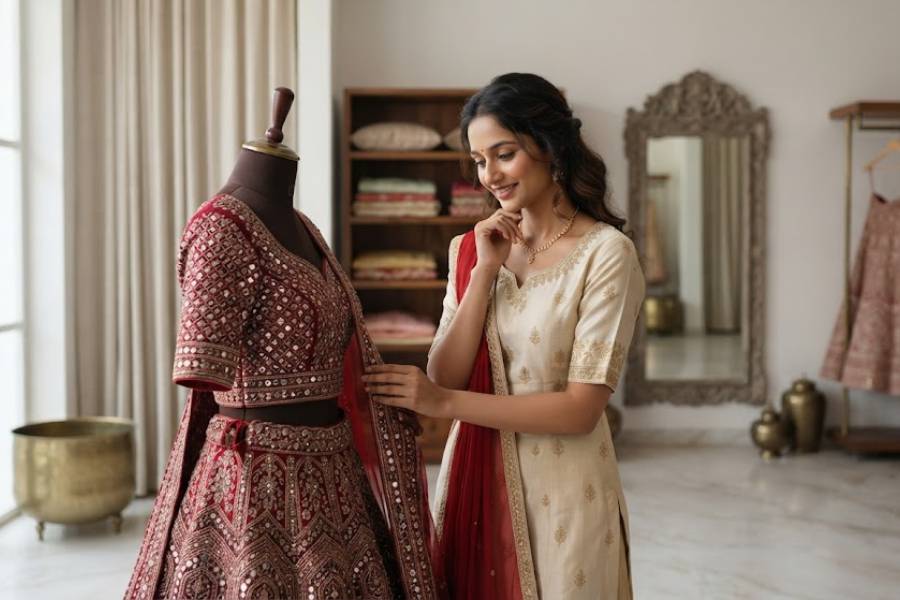
Wedding attire should never be selected at the last minute. Begin shopping at least six to nine months before your wedding to allow enough time for browsing, customization, embroidery, fittings, and final alterations. Early planning also provides access to a wider range of designs and prevents unnecessary stress close to the ceremony. Couples who shop in advance have more flexibility to compare fabrics, craftsmanship, pricing, and designers while ensuring their gujarati wedding dress is perfectly tailored.
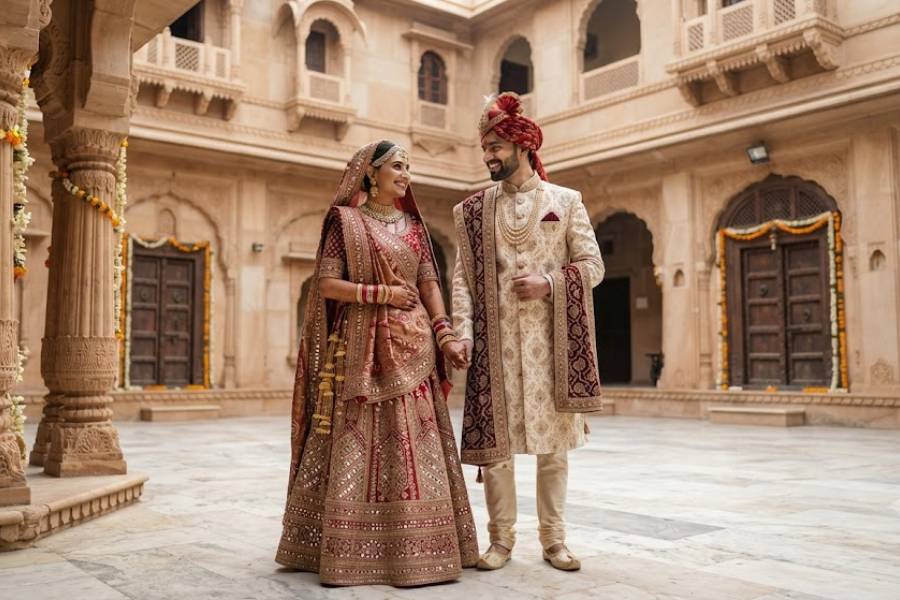
The venue and wedding theme should influence your outfit selection. Grand palace weddings often suit luxurious silk lehengas and embroidered sherwanis, while destination or outdoor ceremonies may require lighter fabrics and simpler designs. Coordinating attire with the venue creates visual harmony and enhances wedding photography. Choosing clothing that complements the setting ensures both elegance and practicality without compromising traditional Gujarati wedding aesthetics.
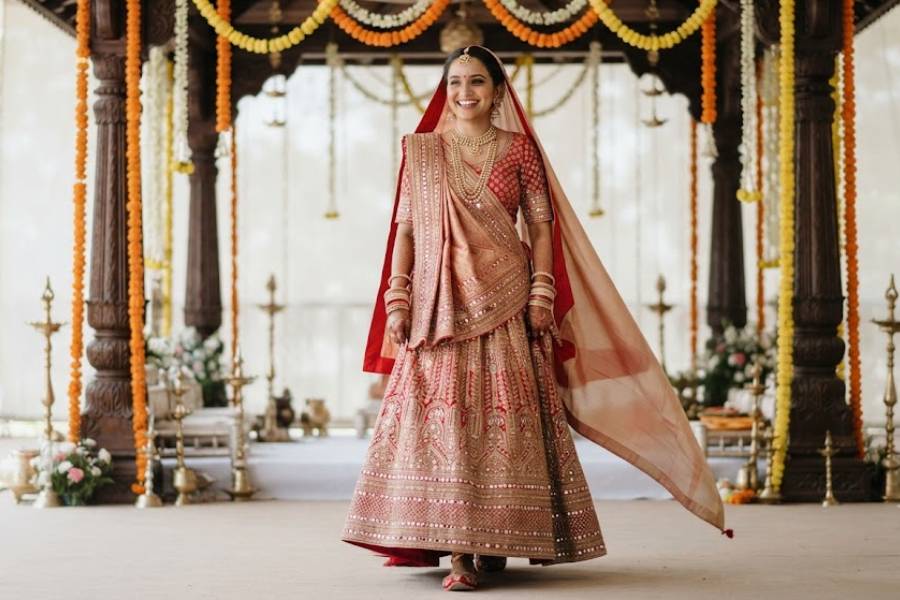
Gujarati weddings involve several ceremonies that can continue for many hours. Heavy outfits may look impressive but can become uncomfortable over time. Brides and grooms should select breathable fabrics, comfortable tailoring, and accessories that allow natural movement. Lightweight dupattas, properly fitted garments, and supportive footwear contribute significantly to overall comfort. A comfortable gujarati wedding dress allows couples to enjoy every moment while looking graceful throughout the celebrations.
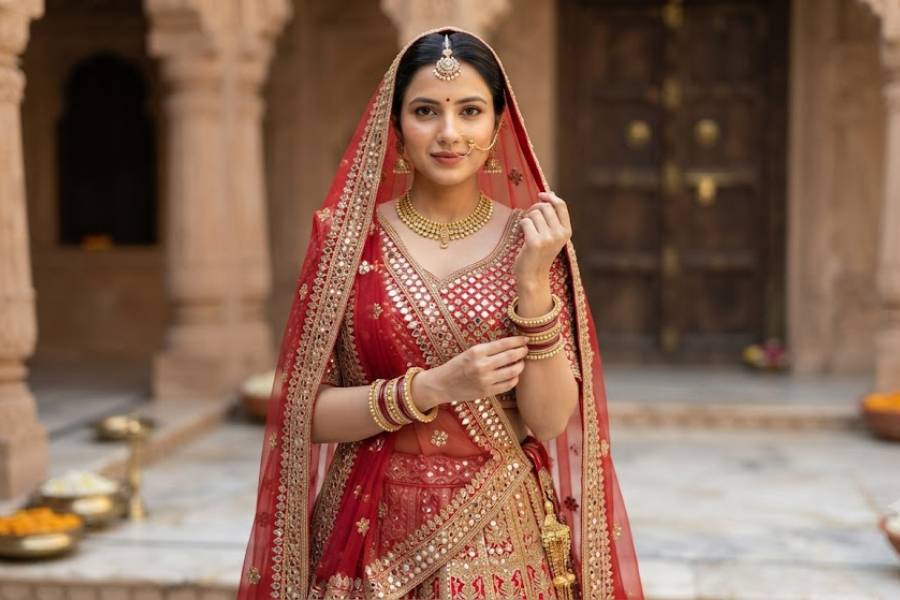
Accessories should beautifully complement the wedding attire instead of dominating the overall appearance. Brides can select elegant necklaces, bangles, earrings, and traditional headpieces that coordinate with embroidery and colors. Grooms should choose tasteful pearl malas, brooches, safas, and embroidered mojris. Well-balanced accessories create a refined and sophisticated look while allowing the craftsmanship of the wedding attire to remain the main highlight.
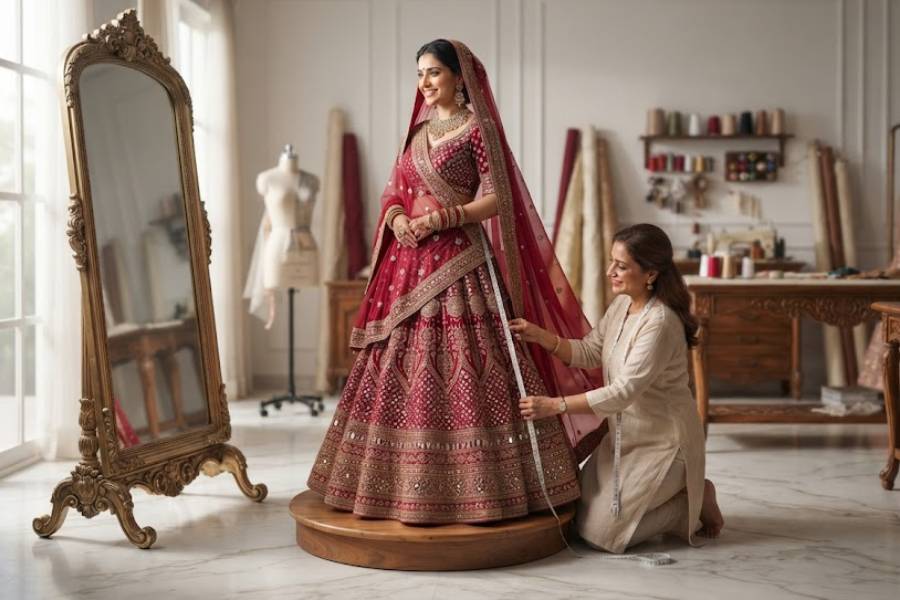
Professional fittings are essential for achieving the perfect appearance. Brides and grooms should attend several fitting sessions to ensure proper sizing, comfort, and movement. Any adjustments to sleeves, hems, embroidery placement, or accessories should be completed well before the wedding. Multiple fittings help eliminate last-minute surprises and ensure the gujarati wedding dress fits perfectly during every ceremony, photograph, and celebration.
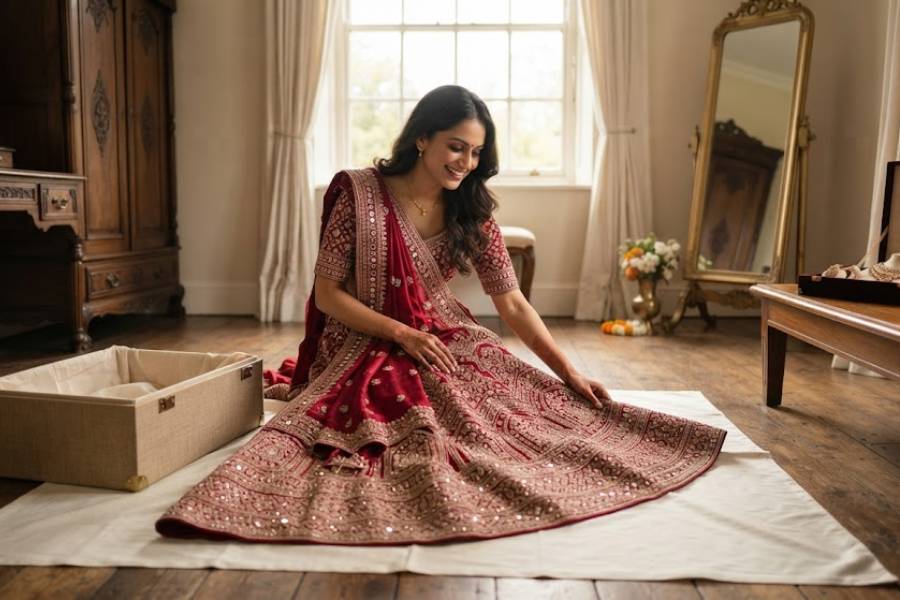
A traditional Gujarati wedding outfit often becomes a treasured family heirloom. After the wedding, garments should be professionally cleaned, carefully folded, and stored using protective fabric covers in a cool, dry environment. Proper preservation prevents damage to delicate embroidery, zari work, and premium fabrics. Maintaining your gujarati wedding dress ensures it remains a cherished reminder of your special day and may even be passed down to future generations.
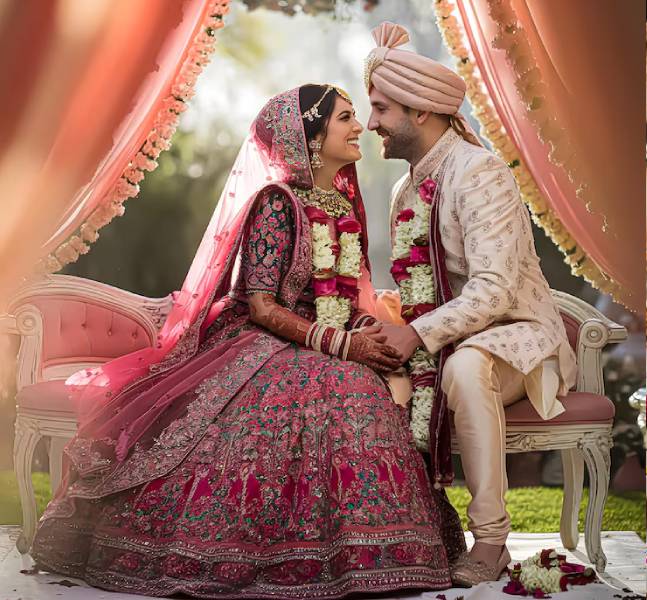
A traditional gujarati wedding dress represents much more than elegant clothing—it is a reflection of cultural heritage, artistic craftsmanship, family traditions, and lifelong memories. Every stitch, embroidery pattern, fabric selection, and accessory tells a story that has been preserved across generations, making Gujarati wedding attire one of the most admired expressions of Indian wedding fashion.
For brides, garments such as the Panetar, Gharchola, and beautifully embroidered lehengas symbolize purity, prosperity, happiness, and the beginning of a new chapter in life. Rich silk fabrics, intricate zari work, mirror embellishments, and handcrafted embroidery showcase the remarkable skills of Gujarati artisans while creating breathtaking bridal ensembles. Grooms complement these traditions with regal sherwanis, elegant bandhgalas, traditional safas, embroidered stoles, and handcrafted mojris that reflect dignity, confidence, and cultural pride.
Modern fashion continues to introduce fresh colors, contemporary silhouettes, and personalized styling options. However, these innovations do not replace tradition—they enhance it. Today’s couples often combine timeless Gujarati craftsmanship with modern tailoring, lightweight fabrics, pastel shades, and customized embroidery to create wedding attire that reflects both heritage and individuality. This thoughtful balance allows every gujarati wedding dress to remain culturally meaningful while embracing contemporary elegance.
Selecting wedding attire should always involve careful planning, professional fittings, premium-quality fabrics, and coordinated accessories. Comfort is equally important, as Gujarati weddings often include several ceremonies extending across multiple days. Choosing well-crafted garments ensures couples look graceful while enjoying every celebration with confidence.
Ultimately, the true beauty of a Gujarati wedding outfit lies not only in its luxurious appearance but also in the emotions it carries. These garments witness sacred wedding vows, joyful family celebrations, heartfelt blessings, and unforgettable memories that remain cherished throughout life. Every carefully selected gujarati wedding dress becomes a lasting symbol of love, commitment, and family heritage.
Whether you choose a classic traditional design or a modern interpretation inspired by Gujarati culture, your wedding attire should celebrate your personal journey while honoring centuries of timeless craftsmanship. A beautifully chosen outfit becomes more than fashion—it becomes a treasured part of your family’s history for generations to come.
Choosing the perfect wedding outfit requires careful evaluation of style, comfort, tradition, and budget. These important considerations will help couples select the ideal gujarati wedding dress while ensuring elegance, cultural authenticity, and long-lasting value throughout their wedding celebrations and beyond.

Before choosing any wedding attire, it is important to understand the cultural meaning behind Gujarati wedding outfits. Traditional garments like Panetar, Gharchola, and sherwanis carry symbolic values of purity, prosperity, and marital happiness. Knowing these meanings helps couples choose outfits that respect tradition while reflecting personal identity. A culturally informed choice ensures that every gujarati wedding dress remains meaningful, not just fashionable, and strengthens the emotional value of the wedding ceremony.
Fabric quality plays a major role in how the outfit looks, feels, and lasts over time. Premium materials like silk, velvet, brocade, and Banarasi fabrics provide elegance and durability. Couples should check texture, stitching quality, embroidery strength, and comfort before finalizing any purchase. High-quality fabric ensures that the gujarati wedding dress maintains its beauty throughout multiple ceremonies and can even be preserved as a family heirloom for future generations.

A well-fitted wedding outfit enhances confidence and overall appearance. Brides and grooms should schedule multiple fittings to ensure proper adjustments in length, sleeves, waist, and embroidery alignment. Professional tailoring ensures comfort during long wedding ceremonies while maintaining elegance in every movement. A perfectly fitted gujarati wedding dress allows couples to enjoy every ritual without discomfort, ensuring they look graceful in photographs and live celebrations.

Different wedding ceremonies may require different outfit styles. Traditional rituals may call for classic attire like sarees and sherwanis, while receptions allow more modern designs. Matching the outfit with the ceremony theme creates visual harmony and enhances the overall experience. This thoughtful coordination ensures every gujarati wedding dress complements the atmosphere while maintaining cultural elegance and personal expression throughout all wedding events.

Establishing a budget before shopping helps avoid overspending and narrows down suitable options. Couples should consider costs for fabric, tailoring, embroidery, accessories, and alterations. A defined financial plan ensures smarter decision-making and reduces stress during selection. Staying within budget allows couples to invest wisely in a high-quality gujarati wedding dress without compromising other important wedding expenses or celebrations.

After the wedding, proper preservation ensures the outfit remains in excellent condition for years. Cleaning, dry storage, protective covers, and moisture-free environments help maintain fabric quality and embroidery details. Preserving a gujarati wedding dress allows it to become a cherished memory or even a family heirloom passed to future generations, keeping cultural traditions alive for years to come.
With 140+ branches across USA, largest network of its kind
A gujarati wedding dress represents cultural heritage, family values, and spiritual significance. For brides, it symbolizes purity, prosperity, and new beginnings, while for grooms it reflects dignity and responsibility. Traditional outfits like Panetar sarees, Gharchola, and sherwanis are deeply rooted in Gujarati customs. These garments are not just fashion statements but meaningful symbols of love, unity, and lifelong commitment celebrated through sacred wedding ceremonies across generations.
Popular fabrics for a gujarati wedding dress include silk, Banarasi silk, velvet, brocade, jacquard, and organza. Silk is widely preferred for its rich texture and traditional appeal, while velvet and brocade are used for royal, heavy designs. Lightweight fabrics like georgette and organza are suitable for modern brides seeking comfort. Choosing the right fabric depends on season, comfort, ceremony type, and desired wedding look, ensuring both elegance and practicality throughout celebrations.
Traditional gujarati wedding dress colors include red, maroon, green, ivory, and gold. Red symbolizes love and marital prosperity, green represents growth and harmony, ivory reflects purity, and gold signifies wealth and blessings. Modern weddings also include pastel shades like pink, peach, and lavender. These colors are chosen based on cultural meaning, personal preference, and ceremony type, ensuring every outfit reflects both tradition and individual style during wedding celebrations.
Panetar and Gharchola are both traditional Gujarati bridal sarees. The Panetar is usually white or ivory with red borders, symbolizing purity and blessings from the bride’s family. The Gharchola features a checkered pattern with intricate zari work, representing prosperity and marital happiness. Both are important parts of a gujarati wedding dress tradition. Brides often wear Panetar during ceremonies and Gharchola for later rituals, reflecting different cultural stages of marriage celebrations.
A groom typically wears a sherwani, bandhagala, or traditional kurta paired with churidar trousers. He completes the look with a safa turban, embroidered stole, mojri footwear, and sometimes pearl necklaces or brooches. The outfit is designed to complement the bride’s attire while maintaining cultural elegance. A well-chosen gujarati wedding dress for grooms reflects dignity, tradition, and celebration, making them look regal during wedding ceremonies and family gatherings.
Gujarati weddings are vibrant cultural celebrations, and colorful attire reflects joy, prosperity, and festivity. A gujarati wedding dress uses bright colors like red, green, gold, and pink to symbolize happiness, love, and new beginnings. The use of rich hues also enhances wedding photography and reflects traditional Gujarati values of celebration and togetherness. These colors are deeply rooted in cultural symbolism, making weddings visually stunning and emotionally meaningful.
Yes, modern brides can easily customize their gujarati wedding dress with personalized embroidery, color variations, modern silhouettes, and unique fabric combinations. Many designers offer options to add initials, wedding dates, or family symbols. Brides often blend traditional elements like Gharchola patterns with contemporary styles. This customization allows them to maintain cultural heritage while expressing personal fashion preferences, making their wedding attire unique and meaningful.
To ensure comfort, choose lightweight fabrics, proper tailoring, and breathable materials when selecting a gujarati wedding dress. Avoid overly heavy embroidery for long ceremonies and ensure multiple fittings before the wedding. Comfortable footwear and well-balanced accessories also improve ease of movement. Since Gujarati weddings involve several events, prioritizing comfort ensures the bride and groom can enjoy every celebration without discomfort or fatigue.
Accessories such as necklaces, bangles, earrings, maang tikka, nose rings, waist belts, and dupattas complete a bride’s gujarati wedding dress. Grooms wear pearl malas, brooches, safas, cufflinks, and mojris. These accessories enhance the overall outfit, complement embroidery, and add traditional elegance. Carefully selected accessories ensure a balanced and royal wedding appearance that reflects Gujarati cultural heritage beautifully.
A gujarati wedding dress preserves cultural identity by maintaining traditional fabrics, designs, and symbolic meanings passed through generations. It reflects Gujarati values such as family unity, respect, spirituality, and celebration of marriage. Wearing traditional attire ensures that cultural heritage remains alive during modern weddings. It also allows younger generations to connect with their roots while celebrating their special day in a meaningful and culturally rich way.
Explore traditional Gujarati Wedding Dresses for brides and grooms with styling tips.
Stay ahead of the curve! Subscribe for the latest updates, exclusive.
Copyright © 2025 Gujarati Soulmate.