
Learning to Handle Rejection in Matrimony is an important part of the matchmaking journey. Whether you are searching for a life partner through family introductions or online matrimony platforms, not every conversation or proposal will result in a successful match. Rejection may feel disappointing at first, but it should never be viewed as a measure of your worth, personality, or future relationship success.
Every individual has different expectations regarding compatibility, family values, career goals, education, lifestyle, religion, and personal preferences. Sometimes two good people simply are not the right match for each other. Understanding this reality helps reduce emotional stress and allows individuals to continue their search with greater confidence and maturity.
The ability to Handle Rejection in Matrimony begins with maintaining a healthy mindset. Instead of taking rejection personally, view it as part of the process of finding genuine compatibility. Every declined proposal provides valuable experience that helps you better understand your own expectations while bringing you closer to someone who truly appreciates your qualities.
Confidence also plays a significant role. Rejection should never reduce self-esteem or create unnecessary self-doubt. Focus on your strengths, personal values, achievements, and positive qualities rather than dwelling on temporary setbacks. Healthy self-confidence makes future conversations more comfortable and helps you present yourself naturally.
Support from family and trusted friends can also make the journey easier. Sharing experiences with people who encourage and motivate you helps maintain emotional balance. Constructive guidance often provides valuable perspective while preventing negative thinking.
Patience remains equally important. Finding the right life partner is rarely an immediate process. Successful marriages are built on compatibility, trust, communication, and mutual respect rather than speed. Remaining patient allows better decisions and healthier relationships in the long run.
Understanding why rejection happens is one of the most effective ways to Handle Rejection in Matrimony with confidence. Many people assume rejection means something is wrong with them personally, but in reality, matrimonial decisions usually depend upon compatibility rather than individual value. Two people may both be excellent individuals while still not being suitable life partners for each other.
Every family and individual has unique expectations. Some prioritize education, while others focus on career goals, cultural traditions, family values, financial planning, location, lifestyle preferences, or long-term aspirations. Even small differences in these areas may influence matrimonial decisions without reflecting negatively on either person.
Communication also plays an important role. Sometimes conversations naturally lose momentum because expectations differ or personalities do not connect emotionally. This does not mean either individual lacks good qualities. It simply indicates that another match may provide stronger compatibility.
Learning to Handle Rejection in Matrimony also means avoiding comparisons with others. Every person’s journey is different. Some people find compatible partners quickly, while others require more time and experience before meeting the right person. Comparing your progress with someone else’s often creates unnecessary stress and lowers confidence.
Instead, use every experience as an opportunity to grow. Reflect on conversations, improve communication skills, update your profile if necessary, clarify your own expectations, and continue presenting yourself honestly. Small improvements made after each experience gradually increase confidence while helping you communicate more effectively with future matches.
Maintaining emotional balance is equally important. Avoid making impulsive decisions after rejection or assuming future proposals will end similarly. Stay optimistic, continue meeting compatible people, and remember that successful relationships are built upon mutual acceptance rather than convincing someone to choose you.
The right relationship develops when both individuals appreciate each other’s personalities, values, and future goals naturally. Every rejection simply eliminates an unsuitable match while bringing you one step closer to genuine compatibility. With patience, resilience, and a positive attitude, you can confidently Handle Rejection in Matrimony while remaining focused on building a happy and lasting marriage.
Learning to Handle Rejection in Matrimony becomes easier when you develop healthy emotional habits and maintain realistic expectations throughout your search. Every rejected proposal is simply one step in the journey toward finding genuine compatibility.

Acceptance creates emotional peace. The first step to Handle Rejection in Matrimony is accepting that rejection is a natural part of the matchmaking process. Every individual has unique expectations, priorities, and preferences. A declined proposal does not mean you lack value or suitability.

Confidence attracts healthy relationships. Never allow one rejection to define your self-worth. Remember your strengths, achievements, values, and positive qualities. Healthy confidence comes from understanding that compatibility cannot be forced. Continue investing in personal development, communication skills, professional growth, and emotional maturity.

Every experience teaches valuable lessons. Rather than viewing rejection as failure, treat it as constructive feedback. Reflect on conversations objectively without becoming overly critical. Perhaps your expectations need clarification, communication can improve, or profile information can become more detailed.

Optimism supports long-term resilience. Maintaining a positive mindset helps you Handle Rejection in Matrimony without emotional exhaustion. Temporary disappointment is normal, but remaining hopeful encourages healthier decision-making. Focus on future possibilities instead of past disappointments.

Every journey remains unique. Comparing your matrimonial journey with friends or relatives often creates unnecessary pressure. Some individuals find suitable partners quickly, while others require additional time to discover genuine compatibility.

Persistence increases better opportunities. Do not stop searching after one or several rejected proposals. Continue participating in family introductions, trusted matrimonial platforms, and social opportunities with an open mind.
Responding positively after rejection strengthens emotional maturity and prepares individuals for healthier future relationships. These practical habits help maintain confidence, reduce disappointment, and encourage continued growth throughout the matrimonial journey.
Experiencing disappointment after rejection is completely natural. Rather than suppressing emotions or pretending everything is fine immediately, allow yourself time to process your feelings calmly. Acknowledge disappointment without allowing it to become permanent discouragement. Healthy emotional processing may include talking with trusted family members, spending time with supportive friends, writing personal reflections, or focusing on hobbies that improve emotional balance. Avoid making impulsive decisions while emotions remain intense. Giving yourself emotional space helps restore confidence while preventing negative thinking from influencing future matrimonial conversations. Accept your feelings, recover patiently, and continue moving forward with optimism.
Many people automatically assume rejection means something is wrong with them. This belief often damages confidence unnecessarily. Matrimonial decisions usually depend upon compatibility rather than individual value. Differences in career goals, family expectations, education, personality, location, or future plans often influence decisions without reflecting negatively on either individual. Two excellent people may simply not be suitable life partners. Instead of blaming yourself, remind yourself that rejection simply indicates incompatibility—not personal failure. Maintaining this healthy perspective protects self-esteem while encouraging continued confidence throughout your matrimonial journey.
Every rejection provides an opportunity for self-improvement. Consider whether communication skills, personal presentation, confidence, or profile details could improve. Small changes gradually strengthen future interactions while increasing emotional maturity. Personal growth may include reading relationship books, improving communication, pursuing education, developing hobbies, maintaining physical health, or strengthening emotional intelligence. These improvements benefit not only matrimonial conversations but every aspect of life. Rather than repeatedly thinking about unsuccessful proposals, invest your energy in becoming a stronger, happier, and more confident version of yourself.
Supportive people make emotional recovery much easier after rejection. Family members, close friends, mentors, or counsellors often provide valuable perspective that prevents unnecessary self-doubt. Sharing experiences openly reduces emotional stress while helping you understand that rejection happens to many individuals during matrimonial searches. Positive encouragement restores confidence and reminds you that the right relationship requires patience. Choose supportive people who motivate you constructively rather than increasing pressure or criticism during difficult moments.
Successful matchmaking requires patience because finding genuine compatibility takes time. Expecting immediate success often creates disappointment after every rejected proposal. Maintain realistic expectations by understanding that multiple conversations may be necessary before meeting the right life partner. Every interaction helps clarify your preferences while improving communication skills. Patience reduces emotional pressure and allows better decision-making because you remain focused on compatibility instead of rushing into unsuitable relationships simply to avoid rejection.
One rejected proposal never determines your future. Every unsuccessful match simply removes an incompatible option while creating space for someone better suited to your personality, values, and life goals. Trust the matchmaking process by remaining optimistic, emotionally balanced, and willing to meet new people. Continue improving yourself while approaching every new conversation with honesty and confidence. The right relationship usually develops naturally when both individuals appreciate each other’s qualities without forcing compatibility. Trust that every experience brings you closer to finding a meaningful lifelong partnership.

One of the greatest challenges during the matrimonial journey is maintaining confidence after experiencing rejection. Learning to Handle Rejection in Matrimony requires emotional resilience, patience, and a positive mindset rather than self-criticism. Every rejected proposal should be viewed as an opportunity for personal growth instead of a personal failure.
Confidence begins with self-acceptance. Every individual possesses unique qualities, strengths, experiences, and values. A proposal that does not progress simply indicates that two people were not the right match for each other. It does not reduce your character, intelligence, appearance, or future relationship potential. Understanding this difference helps protect emotional well-being throughout the search for a life partner.
Developing a positive mindset also makes a significant difference. Instead of repeatedly asking, “Why was I rejected?” ask yourself, “What can I learn from this experience?” This simple change in perspective transforms rejection into valuable feedback rather than emotional disappointment. Sometimes there is nothing to improve because compatibility simply did not exist. At other times, improving communication, updating your matrimonial profile, or clarifying your expectations may strengthen future interactions.
Personal development also restores confidence. Investing time in education, professional growth, hobbies, fitness, emotional intelligence, and communication skills benefits every area of life. Individuals who continue growing personally naturally become more confident because their happiness does not depend entirely upon matrimonial outcomes.
Surrounding yourself with supportive people also helps. Family members, close friends, mentors, and trusted relatives can provide encouragement during difficult moments. Constructive support reminds you that rejection is a common experience rather than an unusual setback. Avoid listening to negative opinions or comparing yourself with others because every person’s matrimonial journey develops differently.
Practicing gratitude further improves emotional resilience. Appreciating your achievements, supportive relationships, health, career, and personal growth creates a balanced perspective. Gratitude reduces emotional stress while helping you remain optimistic about future opportunities.
Most importantly, continue believing that the right partner values compatibility rather than perfection. A healthy relationship develops naturally when both individuals appreciate each other’s personalities, goals, values, and aspirations. Every rejected proposal simply brings you closer to someone who genuinely respects and accepts you.
Successfully learning to Handle Rejection in Matrimony means protecting your confidence while continuing forward with hope. Confidence, emotional maturity, self-respect, and positive thinking become your greatest strengths throughout the journey toward finding a meaningful lifelong relationship.

Developing healthy habits is one of the most effective ways to Handle Rejection in Matrimony while protecting emotional well-being. Since finding the right life partner often requires patience, maintaining balance throughout the journey becomes just as important as meeting compatible matches.
The first healthy habit involves maintaining realistic expectations. Not every proposal will result in marriage because compatibility depends upon many personal factors. Understanding this reality reduces emotional pressure and prevents disappointment from becoming overwhelming. Matrimony is a process of discovering suitable compatibility rather than seeking universal acceptance.
Secondly, avoid taking rejection personally. Every individual evaluates compatibility according to unique priorities involving education, careers, family values, personality, location, cultural traditions, financial planning, and future aspirations. A declined proposal reflects differences in expectations rather than your personal worth. Separating rejection from self-esteem helps preserve confidence.
Maintaining a balanced daily routine also improves emotional resilience. Continue focusing on work, education, fitness, hobbies, family relationships, and personal interests. A meaningful lifestyle prevents the matrimonial search from becoming the only source of emotional satisfaction. Individuals with balanced lives generally recover more quickly after temporary setbacks.
Healthy communication with trusted people provides additional emotional support. Discussing experiences with supportive family members or close friends often reduces anxiety while providing practical encouragement. Honest conversations remind you that rejection is a common experience shared by many individuals during matchmaking.
Practicing emotional patience also creates healthier outcomes. Avoid making rushed decisions simply because several proposals have been rejected. Desperation often leads to poor choices, whereas patience encourages thoughtful evaluation of compatibility. Remember that lifelong marriages deserve careful consideration rather than hurried commitment.
Limiting negative thinking is another valuable habit. Instead of repeatedly analysing every rejected conversation, shift your attention toward future opportunities. Dwelling continuously upon past disappointments only increases emotional stress while reducing motivation. Forward-thinking individuals remain optimistic because they understand every experience contributes to personal growth.
Finally, continue presenting yourself authentically. There is no need to change your personality simply to receive acceptance from others. Genuine relationships develop when both individuals appreciate each other honestly rather than trying to meet unrealistic expectations.
Learning to Handle Rejection in Matrimony becomes easier when healthy habits replace negative reactions. Emotional balance, realistic expectations, personal growth, patience, supportive relationships, and self-confidence create resilience throughout the matrimonial journey. These habits not only improve your search for the right partner but also prepare you for building a healthy, respectful, and lasting marriage based upon genuine compatibility.
Offering Multilingual Choices
Offering Multilingual Choices
Offering Multilingual Choices
Offering Multilingual Choices
Every matrimonial journey includes moments of disappointment, but those moments should never define your future. Learning to Handle Rejection in Matrimony with maturity helps individuals remain optimistic while continuing their search for the right life partner.
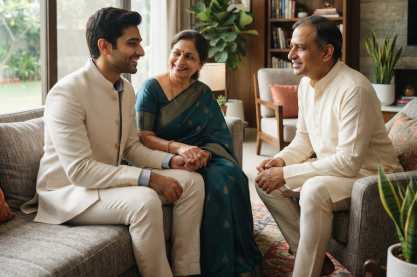
Every rejected proposal teaches something useful. Instead of viewing rejection as failure, consider it a learning opportunity. Every conversation provides insights into communication styles, compatibility expectations, personal preferences, and relationship priorities.

Confidence should never depend upon acceptance. A rejected proposal does not reduce your personal value. Confidence comes from understanding your strengths, values, achievements, and positive character rather than receiving approval from every potential match.

Every journey remains completely unique. One of the biggest mistakes people make after rejection is comparing themselves with relatives or friends who married quickly. Every individual experiences different life circumstances, family expectations, personalities, and compatibility opportunities.

Communication strengthens future relationships. Every matrimonial conversation offers an opportunity to improve communication. Practice listening carefully, expressing thoughts clearly, asking meaningful questions, and respecting different viewpoints.

Patience creates healthier relationships. Finding the right life partner rarely happens instantly. Multiple conversations and proposals may be necessary before discovering genuine compatibility. Accepting this reality reduces frustration while encouraging thoughtful decisions instead of rushed commitments.
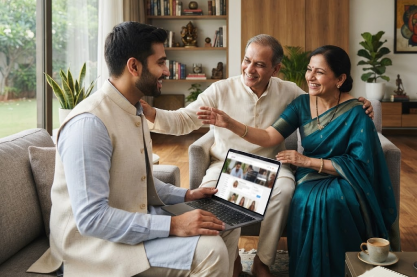
Hope keeps the journey meaningful. Never allow rejection to discourage your search permanently. Continue meeting new people through trusted matrimonial platforms, family introductions, and meaningful social opportunities.
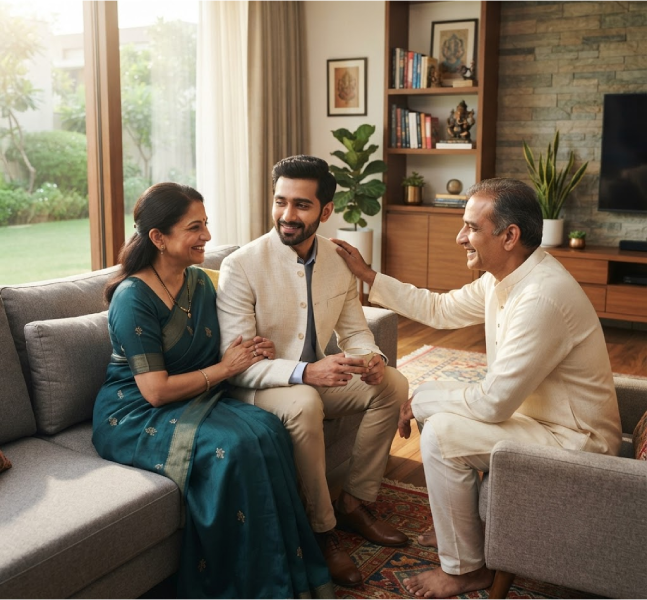
Successfully learning to Handle Rejection in Matrimony means understanding that rejection represents a temporary experience rather than a permanent conclusion. Every matrimonial journey includes moments of uncertainty because finding the right life partner depends upon mutual compatibility instead of individual perfection. The ability to move forward positively after rejection demonstrates emotional maturity and strengthens future relationship opportunities.
The first step toward moving forward involves accepting that rejection happens to almost everyone searching for a life partner. Whether through traditional family introductions or online matrimonial platforms, many compatible individuals experience multiple rejected proposals before meeting the right person. This normalises rejection and prevents unnecessary self-doubt.
After acceptance comes reflection. Instead of repeatedly questioning why a proposal did not succeed, evaluate the experience objectively. Ask whether expectations were clearly communicated, whether compatibility truly existed, and whether any practical improvements could strengthen future interactions. Reflection encourages learning while preventing negative emotional thinking.
Maintaining daily routines also supports emotional recovery. Continue focusing on work, education, health, hobbies, family relationships, and personal development. A balanced lifestyle ensures that matrimonial outcomes never become the only measure of personal happiness. Individuals with meaningful daily lives generally recover more quickly because their confidence extends beyond relationship status.
Optimism should remain realistic rather than forced. Positive thinking does not ignore disappointment; instead, it recognises that better opportunities remain ahead. Every rejected proposal eliminates an unsuitable match while creating space for someone whose personality, values, and future goals naturally align with yours.
Family encouragement can further strengthen emotional resilience. Supportive conversations with parents, siblings, or trusted relatives often provide reassurance during difficult moments. Positive guidance reminds individuals that finding the right life partner requires patience and thoughtful decision-making rather than immediate success.
It is equally important to avoid changing your authentic personality simply to gain acceptance. Healthy marriages develop when both individuals appreciate each other honestly rather than trying to satisfy unrealistic expectations. Authenticity creates stronger compatibility because relationships built upon honesty remain more stable throughout married life.
Finally, remember that successful marriages are created after marriage—not before it. Meeting the right person begins the journey, but communication, trust, commitment, understanding, and continuous effort determine lifelong happiness. Rejection simply redirects your path toward someone better suited to share those lifelong responsibilities.
By learning to Handle Rejection in Matrimony positively, individuals develop resilience, confidence, emotional maturity, and patience. These qualities not only improve the matrimonial journey but also prepare them to become stronger, more understanding, and more supportive life partners in the future. Every experience contributes to personal growth, bringing you closer to a relationship built upon genuine compatibility, lasting trust, and meaningful companionship.
Every rejection carries valuable lessons that prepare individuals for healthier relationships in the future. Rather than viewing rejection as failure, it should be seen as an opportunity to improve communication, strengthen emotional resilience, clarify personal expectations, and develop greater self-awareness.

One of the most important lessons while learning to Handle Rejection in Matrimony is understanding that rejection does not define your value as a person. Unfortunately, many individuals begin questioning their appearance, personality, education, career, or family background after receiving rejected proposals. These thoughts often create unnecessary emotional stress while reducing confidence.

Many people become discouraged after rejection because they believe acceptance from every proposal should happen naturally. However, this expectation misunderstands the purpose of matrimonial matching. Marriage is not about convincing everyone to choose you. Instead, it involves discovering one person whose values, personality, lifestyle, communication style, and future aspirations naturally complement your own.

Every matrimonial interaction strengthens communication skills, even when proposals do not succeed. Conversations teach valuable lessons regarding listening, expressing expectations clearly, asking meaningful questions, and understanding different viewpoints respectfully.

Patience remains one of the greatest strengths during any matrimonial search. Social pressure, family expectations, or comparisons with friends often encourage individuals to rush important decisions simply because others appear to be progressing faster. However, lifelong marriages deserve thoughtful consideration rather than hurried commitment.

Personal growth should continue regardless of matrimonial outcomes. Education, career development, fitness, hobbies, emotional intelligence, communication, and financial planning all contribute to becoming a stronger individual. Learning to Handle Rejection in Matrimony often inspires people to improve themselves positively instead of remaining discouraged.

Perhaps the greatest lesson after rejection is learning to remain hopeful. Optimism allows individuals to continue searching without allowing disappointment to permanently damage confidence. Hope does not ignore rejection; instead, it recognises that every unsuccessful proposal removes an incompatible match while bringing new possibilities closer.
With 140+ branches across USA, largest network of its kind
Rejection happens because every individual and family has different expectations regarding compatibility, education, lifestyle, career goals, values, religion, finances, and future plans. It does not mean someone lacks good qualities. Learning to Handle Rejection in Matrimony begins by understanding that compatibility is more important than universal acceptance. Every rejected proposal simply indicates that the relationship was not the right fit.
Emotional recovery takes patience and self-compassion. Accept your feelings, avoid self-blame, spend time with supportive family and friends, continue personal growth, and maintain daily routines. Focus on your strengths instead of temporary disappointments. Every rejection offers valuable experience that helps you become emotionally stronger while preparing you for healthier future relationships and better compatibility.
No. Rejection should never reduce self-confidence because it reflects compatibility rather than personal worth. Your values, achievements, personality, and character remain unchanged after a rejected proposal. Continue believing in your strengths while improving yourself through education, communication, career development, and emotional maturity. Strong confidence naturally attracts healthier relationships.
Yes. Updating your profile with accurate information, quality photographs, honest descriptions, and clear expectations can improve future matrimonial conversations. A genuine profile creates better first impressions while attracting individuals with similar values. Small improvements in communication and presentation often increase compatibility with potential life partners.
Every person’s matrimonial journey is unique. Comparing yourself with friends or relatives often creates unnecessary pressure and emotional disappointment. Some people find compatible partners quickly, while others require more time. Focus on your own growth, compatibility, and readiness instead of measuring success according to someone else’s timeline. Patience produces healthier long-term decisions.
Supportive family members provide encouragement, reassurance, and balanced perspectives after rejection. Honest conversations reduce emotional stress while reminding individuals that rejection is common during matchmaking. Positive family support strengthens confidence, encourages patience, and helps individuals continue their search without becoming discouraged by temporary disappointments or unsuccessful proposals.
Practice gratitude, maintain healthy routines, focus on personal growth, communicate with supportive people, avoid negative comparisons, and remain optimistic about future opportunities. Positive habits improve emotional balance while reducing stress. Maintaining hope helps individuals continue searching confidently instead of allowing rejection to control their happiness or motivation.
Rejected proposals often improve communication, clarify expectations, strengthen emotional resilience, increase self-awareness, and encourage personal growth. Every experience helps individuals better understand compatibility while preparing them for healthier future relationships. Rather than viewing rejection negatively, use each experience to become wiser, stronger, and more confident during your matrimonial journey.
Yes. Every rejected proposal removes an unsuitable match while creating opportunities to meet someone more compatible. Genuine relationships develop through shared values, mutual respect, communication, and long-term goals. Rejection redirects your journey toward healthier relationships instead of allowing incompatible partnerships to continue unnecessarily.
Stay ahead of the curve! Subscribe for the latest updates, exclusive.
Copyright © 2025 Gujarati Soulmate.