
The nri marriage visa process is a structured legal and immigration procedure that allows married couples, where one partner is an NRI (Non-Resident Indian), to live together in a foreign country. This process is essential for ensuring that the marriage is legally recognized and that the spouse can obtain permission to reside, travel, and sometimes work in countries like the USA, UK, Canada, Australia, and various European nations.
NRI marriages involve both emotional and legal responsibilities. While families focus on cultural traditions and wedding ceremonies, immigration authorities focus on documentation, authenticity, and eligibility. Because of this dual nature, understanding the full nri marriage visa process is extremely important before initiating international relocation plans.
The process begins with legal marriage registration. In India, couples can register their marriage under the Hindu Marriage Act or the Special Marriage Act depending on religion and personal circumstances. This step is crucial because foreign embassies and immigration departments require a legally valid marriage certificate as primary proof of relationship.
After registration, the next stage involves collecting all necessary documents. These include passports, identity proofs, address proofs, financial records, and photographs. Additional documents such as joint bank statements, communication history, and travel records may also strengthen the visa application.
Once documentation is ready, the sponsoring partner—usually the NRI living abroad—applies for a spouse visa or dependent visa in their country of residence. The nri marriage visa process varies depending on the destination country. For example, the USA has a different immigration system compared to the UK or Canada, with different eligibility rules and processing timelines.
Embassy interviews are often part of the process. These interviews help verify the authenticity of the relationship and ensure that the marriage is genuine. Questions may include details about how the couple met, family background, future plans, and lifestyle compatibility.
Processing times vary widely depending on the country and complexity of the application. Some cases may be approved in a few months, while others may take longer due to background checks or additional verification.
Understanding each step of the nri marriage visa process helps couples avoid delays, reduce errors, and improve approval chances significantly.
The legal foundation of the nri marriage visa process begins with marriage registration in India or the country where the marriage takes place. This step ensures that the marriage is legally valid and recognized internationally. Couples may register under the Hindu Marriage Act or the Special Marriage Act depending on their religion and circumstances.
Once the marriage is legally registered, the next step is document preparation. This includes passports, birth certificates, identity proof, address proof, and marriage photographs. Financial documents from the NRI spouse, such as income proof, employment letters, and bank statements, are also required for visa sponsorship.
After documentation, the visa application is submitted to the immigration authority of the destination country. The sponsoring partner files for a spouse visa or dependent visa depending on the immigration rules. The nri marriage visa process requires careful attention to detail at this stage, as errors can lead to delays or rejection.
In many cases, applicants are called for embassy interviews. These interviews help verify the authenticity of the marriage. Couples may be asked personal questions about their relationship history, wedding details, and future plans.
Some countries also require medical examinations and background checks as part of the immigration process. These steps ensure safety and compliance with immigration laws.
Once approved, the spouse receives a visa allowing them to travel and join their partner abroad. Additional steps such as residence permit registration or local documentation may be required after arrival.
Proper understanding of the nri marriage visa process ensures smooth approval and reduces complications during international relocation.
The nri marriage visa process requires a complete set of verified documents to ensure smooth approval from immigration authorities. Missing or incorrect paperwork can lead to delays or rejection, making documentation one of the most critical parts of the entire process.
Both the Indian spouse and the NRI partner must provide identity, marriage, and financial documents. These are carefully reviewed by embassies and immigration departments to confirm relationship authenticity and eligibility for spouse or dependent visas.
Proper documentation not only speeds up processing but also strengthens the credibility of the application. Authorities may also request additional proof of relationship, such as photographs, communication records, and travel history.
Understanding the required documents in advance helps couples prepare better and avoid unnecessary complications in the nri marriage visa process.

A legally registered marriage certificate is the most important document in the nri marriage visa process. It serves as official proof of marriage recognized by government and immigration authorities. Without this certificate, visa applications are generally not accepted. It must be issued under proper legal acts such as the Hindu Marriage Act or Special Marriage Act and sometimes requires apostille or embassy legalization depending on the destination country.

Passports are mandatory for both spouses in the nri marriage visa process. They confirm nationality and identity. Along with passports, government-issued IDs such as Aadhaar cards, driving licenses, or national identity cards are required. These documents are used for background verification and immigration security checks. Any mismatch in details can cause delays or rejection, so accuracy is extremely important.

Financial documents are required to ensure that the NRI spouse can support the partner abroad. These include salary slips, employment letters, tax returns, and bank statements. In the nri marriage visa process, immigration authorities use these documents to confirm economic stability and prevent financial dependency issues in the destination country.

Address proof documents confirm the current living location of both spouses. These may include utility bills, rental agreements, or official residence certificates. In the nri marriage visa process, this helps authorities verify living arrangements and ensures transparency in the application.

To verify authenticity, couples may need to provide photos, chat records, call logs, and travel history. These help prove that the relationship is genuine. In the nri marriage visa process, this evidence is especially important during embassy interviews and background checks.

Properly filled visa application forms are essential for submission. These include immigration forms, sponsor declarations, and embassy-specific documents. In the nri marriage visa process, errors in forms can delay approval, so accuracy and completeness are critical.
Understanding visa types is essential in the nri marriage visa process. Different countries offer multiple visa categories based on marriage status, sponsorship, and settlement plans. These visas determine how spouses can live, work, and settle abroad legally.
A spouse visa is the most common option in the nri marriage visa process. It allows a legally married partner to live with the NRI spouse in countries like the USA, UK, and Canada. This visa requires a valid marriage certificate, financial proof, and sponsor eligibility verification. It often leads to long-term residency or permanent settlement opportunities depending on the country’s immigration laws.
Dependent visas are issued to spouses and sometimes children of NRIs. In the nri marriage visa process, this visa ensures family unity by allowing dependents to live with the primary visa holder. It usually requires proof of relationship, financial stability, and accommodation arrangements. Dependent visa holders may also gain access to healthcare and education benefits depending on the country.
A fiancé visa allows a partner to enter a foreign country before marriage and complete the wedding there. In the nri marriage visa process, this visa is useful for couples planning international weddings. After marriage, it can often be converted into a spouse visa or residency permit depending on immigration rules.
Permanent residency visas allow married couples to live indefinitely in a foreign country. In the nri marriage visa process, this is often the final goal after spouse visa approval. PR status provides stability, work rights, and long-term settlement benefits, making it highly desirable for NRI couples.
Some countries allow spouses of NRIs to work legally through work permits. In the nri marriage visa process, this helps improve financial independence and career growth while living abroad. Work rights vary depending on visa category and immigration policies of each country.
Visitor visas allow short stays for meetings, ceremonies, or relationship building before or after marriage. In the nri marriage visa process, this visa is often used in early stages of matchmaking or during wedding planning visits between countries.

The nri marriage visa process is a structured legal and immigration journey that allows a legally married spouse to join their partner in a foreign country. This process involves multiple steps, including legal marriage registration, document preparation, visa application submission, verification, and final approval from immigration authorities. Understanding each step carefully is essential for avoiding delays and increasing the chances of successful visa approval.
The first step in the process is legal marriage registration. Couples must ensure that their marriage is officially registered under recognized laws such as the Hindu Marriage Act or the Special Marriage Act in India. This registration provides a legally valid marriage certificate, which is the foundation of the entire nri marriage visa process. Without this document, most countries will not accept visa applications.
After registration, the next step involves collecting all necessary documents. These include passports, identity proofs, address proofs, financial documents, and marriage photographs. The NRI spouse must also provide income proof, employment details, and tax records to demonstrate financial stability. Immigration authorities use these documents to evaluate eligibility and ensure that the sponsor can support the spouse abroad.
Once documentation is complete, the visa application is submitted to the embassy or immigration department of the country where the NRI resides. This is a critical stage in the nri marriage visa process, as any errors in forms or missing details can lead to delays or rejection. The application must include relationship proof, financial documents, and sponsor declarations.
After submission, the application goes through verification and background checks. Immigration authorities may contact employers, review financial records, and verify the authenticity of the marriage. This stage ensures that the relationship is genuine and meets legal requirements.
In many cases, couples are called for embassy interviews. These interviews are conducted to confirm relationship authenticity. Questions may include details about how the couple met, their family background, wedding ceremonies, and future plans. Consistency in answers is important during this stage.
Processing time varies depending on the country and complexity of the case. Some applications may be approved within a few months, while others may take longer due to additional checks.
Once approved, the spouse receives the visa and can travel to join their partner abroad. After arrival, additional steps like residence registration or local documentation may be required depending on immigration laws.
Overall, the nri marriage visa process requires careful planning, accurate documentation, and patience to ensure successful international relocation and family settlement.

The nri marriage visa process is a detailed and sometimes complex procedure that involves multiple legal and immigration steps. While it enables couples to live together in countries like the USA, UK, Canada, and Australia, it also comes with several challenges that must be managed carefully to ensure smooth approval and successful relocation.
One of the most common challenges is documentation errors. Many visa applications get delayed or rejected due to missing, incorrect, or inconsistent documents. Even small mistakes in names, dates, or financial records can create complications. To solve this, applicants must carefully review all paperwork before submission and ensure consistency across all documents in the nri marriage visa process.
Another major challenge is long processing time. Immigration departments conduct thorough background checks, which can take several months. This waiting period can be stressful for couples. The best solution is patience and timely follow-ups with embassy or immigration authorities while ensuring that no additional documents are pending.
Financial requirements also create difficulties for many applicants. Countries like the USA and UK require proof that the NRI spouse has sufficient income to support the partner. If financial criteria are not met, visa approval may be delayed or rejected. Proper financial planning and maintaining stable income records can help overcome this issue in the nri marriage visa process.
Embassy interviews are another critical stage where couples often face stress. Immigration officers ask detailed questions to verify relationship authenticity. Inconsistent answers or lack of preparation can lead to doubts. The solution is to maintain honest communication between partners and be well-prepared with accurate relationship details.
Legal differences between countries also add complexity. Each country has its own immigration rules, visa categories, and processing systems. Understanding country-specific requirements before applying helps avoid confusion and ensures better preparation.
Language barriers and lack of legal knowledge can also affect applicants. Many families are unfamiliar with immigration procedures, which leads to mistakes. Consulting immigration experts or legal advisors can help simplify the nri marriage visa process and reduce risks.
Despite these challenges, successful visa approval is achievable with proper planning, accurate documentation, and patience. Couples who stay organized, communicate clearly, and follow legal procedures carefully can overcome most obstacles. Ultimately, understanding challenges and applying practical solutions ensures a smoother and more successful NRI marriage visa journey.
Offering Multilingual Choices
Offering Multilingual Choices
Offering Multilingual Choices
Offering Multilingual Choices
Successfully completing the nri marriage visa process requires careful planning, accurate documentation, and clear communication between both partners and families. Many applications get delayed due to missing details or lack of preparation for embassy interviews. By following expert strategies such as verifying documents early, maintaining financial stability, and preparing relationship proofs, couples can significantly improve their chances of approval. Understanding country-specific immigration rules also plays a key role in avoiding unnecessary complications. These expert tips help ensure a smoother visa journey and reduce stress during international marriage relocation processes.

One of the most important steps in the nri marriage visa process is preparing all legal documents well in advance. This includes marriage certificates, passports, identity proofs, and financial records. Early preparation avoids last-minute stress and reduces the risk of rejection due to incomplete paperwork. Always ensure that names, dates, and personal details match across all documents. Any inconsistency can lead to delays or further verification requests from immigration authorities. Proper organization of documents also helps during embassy interviews and improves overall application credibility for smoother approval.

Financial stability is a key requirement in the nri marriage visa process. Immigration authorities carefully check whether the sponsoring partner has enough income to support their spouse abroad. Salary slips, tax returns, employment letters, and bank statements must be clear and updated. Maintaining stable income over time increases trust and reduces chances of visa rejection. Couples should also avoid sudden financial inconsistencies before applying. Proper financial planning ensures smoother approval and demonstrates long-term stability, which is essential for successful international relocation and settlement.

Honesty plays a major role in the nri marriage visa process. Immigration officers may verify relationship details during interviews, and any mismatch in answers can create doubt. Couples should maintain transparency about how they met, family background, and future plans. Open communication between both partners ensures consistency during visa interviews. It also helps in building a strong relationship foundation. Providing genuine information builds trust with authorities and significantly increases the chances of visa approval without unnecessary delays or complications.

Embassy interviews are an important part of the nri marriage visa process. Applicants may be asked detailed questions about their relationship history, wedding ceremony, and future plans. Proper preparation is essential to avoid confusion during the interview. Couples should discuss all possible questions in advance and ensure their answers match. Confidence and clarity during the interview help build trust with immigration officers. Practicing common interview scenarios can improve performance and reduce anxiety, increasing the chances of successful visa approval.

Every country has different immigration laws, and understanding them is essential in the nri marriage visa process. The USA, UK, Canada, and Australia each have unique requirements for spouse visas. Applicants must research specific eligibility criteria, processing times, and documentation rules before applying. Ignoring country-specific guidelines can lead to rejection or delays. Proper knowledge ensures that all requirements are met accurately and increases the likelihood of smooth approval. Staying updated with immigration policies is also important, as rules may change over time.
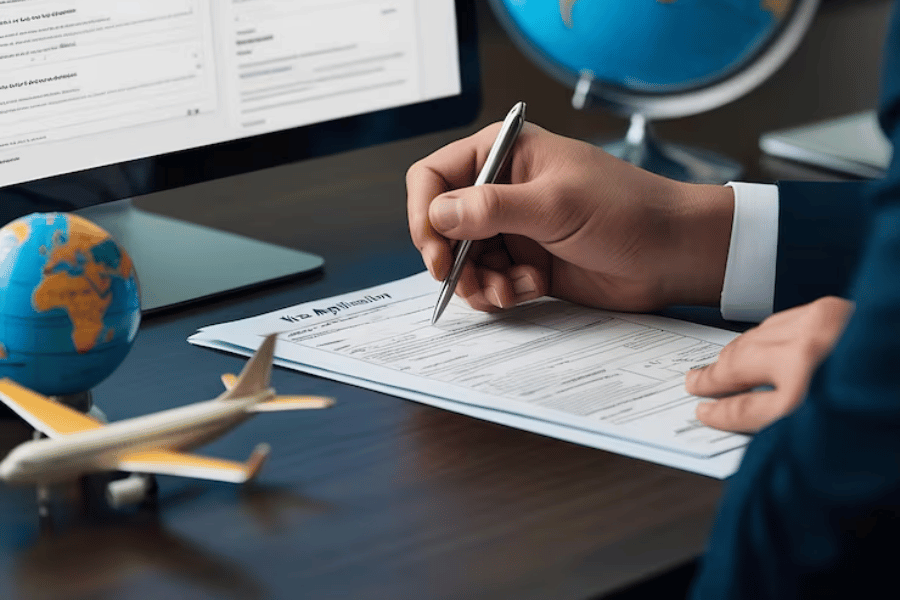
In complicated cases, professional guidance can be extremely helpful in the nri marriage visa process. Immigration consultants or legal experts can assist with documentation, application filing, and interview preparation. Their experience helps reduce errors and improves approval chances. Families who are unfamiliar with visa procedures often benefit from expert support. Professional assistance ensures that all legal requirements are properly followed and reduces the risk of rejection. This step is especially useful for first-time applicants handling international marriage immigration cases.

The nri marriage visa process is a comprehensive legal and immigration journey that allows married couples to live together in a foreign country such as the USA, UK, Canada, Australia, or European nations. This process involves multiple steps, including marriage registration, document preparation, visa application submission, embassy verification, and final approval from immigration authorities. Understanding this process in detail is essential for ensuring smooth approval and avoiding unnecessary delays or complications.
The journey begins with legal marriage registration, which is the foundation of the entire process. Couples must ensure that their marriage is officially registered under valid laws such as the Hindu Marriage Act or the Special Marriage Act in India. This provides a legally recognized marriage certificate, which is the most important document in the nri marriage visa process. Without this certificate, visa applications are generally not accepted by foreign embassies.
After registration, the next step is preparing all required documents. These include passports, identity proofs, address proofs, financial statements, employment letters, and marriage photographs. Additional supporting documents such as communication records, travel history, and joint financial evidence may also be required to prove relationship authenticity. Proper documentation plays a critical role in ensuring smooth processing.
Once documents are ready, the visa application is submitted to the immigration authority of the country where the NRI spouse resides. This step must be handled carefully, as any errors in forms or missing information can result in delays or rejection. The nri marriage visa process requires accurate completion of all application forms along with supporting documents.
After submission, the application goes through detailed verification and background checks. Immigration officers may review financial records, contact employers, and verify relationship authenticity. In many cases, couples are called for embassy interviews where they must answer questions about their relationship, wedding details, and future plans. Consistency and honesty are very important during this stage.
Processing time varies depending on the country and complexity of the case. Some visas may be approved within a few months, while others take longer due to additional verification requirements or high application volumes. Patience is an important part of the nri marriage visa process.
Once approved, the spouse receives a visa that allows them to travel and join their partner abroad. After arrival, additional steps such as residence registration, local ID issuance, or dependent status updates may be required based on immigration laws of the destination country.
Overall, the nri marriage visa process is a structured and detailed system that requires careful planning, accurate documentation, and patience. When followed correctly, it ensures successful international relocation and allows couples to build a stable life together while complying with legal immigration requirements.
Avoiding mistakes in the nri marriage visa process is essential for smooth approval and faster processing. Many applications get delayed or rejected due to incomplete documents, incorrect information, or lack of preparation for embassy interviews. Couples often underestimate the importance of financial proof, relationship evidence, and country-specific immigration rules. Understanding these common errors helps applicants stay prepared and improve their chances of success. Careful planning, accurate documentation, and honest communication are key factors in avoiding complications during international marriage visa applications.

One of the most serious mistakes in the nri marriage visa process is submitting incomplete or incorrect documents. Immigration authorities strictly verify all paperwork, including marriage certificates, passports, and financial records. Even small errors such as spelling mismatches, incorrect dates, or missing signatures can lead to delays or rejection. Applicants must carefully check all documents before submission and ensure consistency across all records. Proper documentation builds trust and increases approval chances significantly. It is always recommended to prepare documents in advance and double-check every detail before applying for a visa.

Financial proof is a crucial part of the nri marriage visa process, and ignoring it can result in rejection. Many countries require the sponsoring NRI spouse to show stable income, employment proof, and bank statements. If financial stability is not clearly demonstrated, immigration authorities may doubt the ability to support the spouse abroad. Applicants should maintain consistent financial records and avoid sudden financial changes before applying. Proper financial planning ensures that the visa application meets all eligibility requirements and increases the chances of approval without unnecessary delays.

During embassy interviews, consistency in answers is extremely important in the nri marriage visa process. Many applications are rejected because couples provide mismatched or unclear responses about their relationship history, wedding details, or future plans. Immigration officers use these interviews to verify authenticity. Couples must discuss all details beforehand and ensure both partners provide matching answers. Honest and consistent communication helps build trust with officials and improves the likelihood of visa approval. Preparation and transparency are key to avoiding misunderstandings during interviews.

Embassy interviews are a critical stage in the nri marriage visa process, and lack of preparation is a common mistake. Applicants may be asked detailed questions about how they met, family background, and relationship timeline. Without preparation, candidates may feel nervous or provide incorrect answers. Practicing possible questions in advance helps build confidence and ensures clarity during the interview. Proper preparation also reduces anxiety and improves communication. Being well-prepared demonstrates seriousness and authenticity, which positively influences visa approval decisions.

Each country has different immigration laws, and ignoring them is a major mistake in the nri marriage visa process. The USA, UK, Canada, and Australia all have unique requirements for spouse visas. Applicants who do not research these rules often face delays or rejection. Understanding eligibility criteria, processing times, and documentation requirements is essential before applying. Staying informed about country-specific policies ensures proper preparation and reduces errors. Following official guidelines carefully helps applicants avoid unnecessary complications during visa processing.

Relying on unverified consultants or incorrect information is another common mistake in the nri marriage visa process. Some applicants receive misleading advice that leads to incomplete or incorrect applications. It is important to use trusted immigration experts or official government sources for guidance. Professional consultation helps ensure accurate documentation and proper filing procedures. Choosing reliable support reduces the risk of errors and improves approval chances. Always verify the credibility of consultants before sharing personal or legal information.
With 140+ branches across USA, largest network of its kind
The nri marriage visa process refers to the legal and immigration steps required for a married couple, where one partner is an NRI, to live together in a foreign country. It includes marriage registration, document preparation, visa application submission, embassy verification, and final approval from immigration authorities. This process ensures that the marriage is legally recognized and that the spouse is eligible to join their partner abroad under spouse or dependent visa categories depending on the country’s immigration laws.
The duration of the nri marriage visa process varies depending on the country and application complexity. It can take anywhere from a few months to over a year. Factors such as document accuracy, financial stability, background verification, and embassy workload affect processing time. Countries like the USA and UK may have longer processing periods due to strict immigration checks. Proper documentation and early preparation can help reduce delays and improve the overall speed of visa approval.
The nri marriage visa process can be complex due to strict documentation and verification requirements. However, it is not difficult if couples follow proper procedures and submit accurate documents. Challenges usually arise from missing paperwork, financial proof issues, or interview mistakes. With careful preparation, honest communication, and understanding of immigration rules, couples can successfully complete the process. Professional guidance can also simplify the procedure and help avoid common errors during visa application and approval stages.
Key documents required in the nri marriage visa process include a valid marriage certificate, passports, identity proofs, financial statements, employment letters, address proofs, and photographs. Additional supporting documents like communication records, travel history, and relationship evidence may also be required. These documents help immigration authorities verify the authenticity of the marriage and assess eligibility for spouse or dependent visa approval. Proper and accurate documentation is essential to avoid delays or rejection during the visa application process.
Most major countries including the USA, UK, Canada, Australia, and European nations allow spouse visas under the nri marriage visa process. Each country has its own immigration rules and eligibility criteria for sponsoring spouses. These visas allow married couples to live together legally after approval. Requirements such as financial stability, marriage proof, and background verification must be fulfilled. Processing time and conditions vary depending on the destination country’s immigration policies and application complexity.
Yes, marriage registration is mandatory in the nri marriage visa process. A legally registered marriage certificate serves as official proof of marriage and is required by immigration authorities for visa approval. Without proper registration, visa applications are usually rejected. Couples must register their marriage under recognized laws such as the Hindu Marriage Act or Special Marriage Act in India. This ensures legal validity and smooth processing during embassy verification and immigration evaluation stages.
In many countries, spouses under the nri marriage visa process are allowed to work after receiving proper permissions. Countries like the USA, UK, and Canada may provide work authorization depending on visa category. Some spouse visas include automatic work rights, while others require separate work permits. Eligibility depends on immigration laws of the destination country. It is important to check specific visa conditions before assuming employment rights after visa approval and relocation abroad.
The embassy interview in the nri marriage visa process is conducted to verify the authenticity of the marriage. Applicants are asked questions about their relationship history, wedding details, family background, and future plans. Immigration officers use these interviews to ensure that the marriage is genuine and not fraudulent. Consistent and honest answers are very important. Proper preparation helps couples confidently answer questions and increases the chances of visa approval during this critical stage.
Yes, financial documents are extremely important in the nri marriage visa process. Immigration authorities require proof that the sponsoring spouse has sufficient income to support the partner abroad. Documents such as salary slips, bank statements, tax returns, and employment letters are reviewed carefully. Lack of financial stability can lead to visa rejection. Strong and consistent financial records increase trust and improve approval chances during the immigration evaluation process.
Yes, the nri marriage visa process can be rejected if documents are incomplete, information is inconsistent, or financial requirements are not met. Immigration authorities also reject applications if they suspect fake relationships or provide unclear answers during interviews. However, rejection can often be avoided with proper preparation, accurate documentation, and honest communication. Understanding requirements and following guidelines carefully significantly reduces the risk of rejection during the visa application process.
Stay ahead of the curve! Subscribe for the latest updates, exclusive.
Copyright © 2025 Gujarati Soulmate.