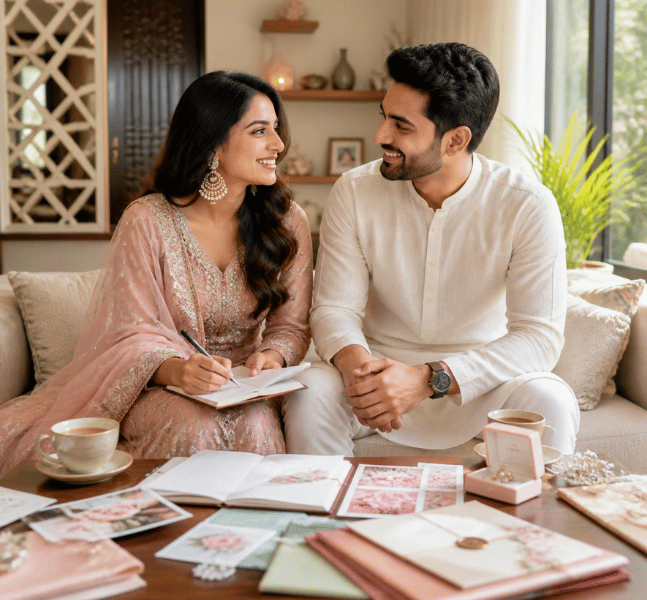
The Engagement to Wedding period is among the most exciting periods in a couple’s life. The period marks the start of a fantastic journey where two people and their respective families begin to plan for their life together. Whereas the engagement period marks the promise of marriage, the subsequent period involves lots of planning, communication, coordination, and preparation for the union. Appreciation of different stages in the journey ensures that the couples enjoy the process rather than struggling with it.
The majority of couples think that planning for weddings is all about choosing venues, buying things, and holding different ceremonies. However, the period between Engagement to Wedding also entails the building of emotional compatibility, setting goals, and ensuring that couples are ready for marriage. Communication during the period helps the couples understand what the expectations of each person concerning careers, money, parenting, lifestyle, and aspirations are.
It helps when people are prepared for the coming events. Preparation ensures that everything goes smoothly. A realistic timetable for wedding preparations is essential for everyone involved.
The journey also serves to help the two families form better relations since engagement offers chances for interaction of the families, observance of the traditions, and support to the couple during the wedding planning. Mutual respect, patience, and cooperation create positive atmosphere in which everybody contributes positively towards the wedding celebrations.
The period before marriage is equally important for the preparation of oneself as well. Couples need to ensure that they maintain their health, manage their emotions, communicate with each other effectively, and discuss matters regarding their married life. The discussions enhance their confidence while reducing any misunderstandings after the wedding.
It is also crucial to note that the journey from engagement to wedding helps couples balance their happiness with realistic expectations. While celebrations are vital, emotional preparation for married life helps in forming a more solid base than mere preparations of wedding. Couples that spend enough time to learn each other’s values enter into marriage confidently and with mutual respect.
Finally, the journey from engagement to wedding involves far more than just wedding planning.
Making a wedding enjoyable can only happen with the help of a plan that is organized and properly laid down. Couples cannot leave their important decisions until the very end without feeling any form of stress, thus, making sure everything is prepared will allow the families to enjoy each celebration.
Right after the engagement ceremony, the couple should make a wedding timeline. Dates will be tentatively set to ensure that all aspects are covered. A well-planned schedule makes sure that all aspects receive the proper attention.
Financial planning should be another important step taken early on. The couple will discuss the wedding expenses together with their respective families. A budget will be created that will cover expenses regarding the venue, decorations, clothing, jewelry, food, entertainment, transportations, and photography.
The Engagement to Wedding period will also be helpful in terms of building better communication skills between the couple. Couples will have enough time to talk about future goals, careers, finances, family and lifestyle expectations.
The period before marriage is equally important for the preparation of oneself as well. Couples need to ensure that they maintain their health, manage their emotions, communicate with each other effectively, and discuss matters regarding their married life. The discussions enhance their confidence while reducing any misunderstandings after the wedding.
Shopping for weddings should be planned carefully. Important things will be bought gradually so there will be no last-minute stress during the process.
Finally, remember to enjoy the journey itself. Wedding planning should create happy memories rather than constant pressure. Celebrate milestones together, appreciate family support, and remain flexible whenever unexpected changes occur. A positive attitude allows both families and the couple to experience the entire Engagement to Wedding journey with happiness, confidence, and excitement.
The time from Engagement to Wedding is filled with excitement, responsibilities, and important decisions. Proper planning allows couples and their families to enjoy every celebration without unnecessary stress. Instead of focusing only on wedding ceremonies, this period should also include emotional preparation, financial planning, family coordination, and future discussions. Every step completed thoughtfully contributes to a smoother wedding experience and creates stronger foundations for married life. The following practical tips can help every couple organize their journey confidently while making beautiful memories together.

Preparing a detailed wedding timeline immediately after engagement helps organize every important responsibility. Include venue booking, shopping, invitation printing, photography, catering, decoration, accommodation, and ceremony dates.
Breaking large tasks into smaller milestones makes planning more manageable. Review the timeline regularly and adjust it whenever necessary to accommodate changing schedules.
A clear timeline reduces last-minute stress while ensuring every important wedding arrangement receives proper attention.

The engagement period is the perfect opportunity to discuss long-term goals honestly. Conversations about careers, finances, family planning, education, travel, and lifestyle expectations strengthen compatibility before marriage.
Understanding each other’s ambitions allows both individuals to support shared dreams while respecting personal aspirations.
Open discussions help build trust and prevent misunderstandings after marriage.

Financial planning is one of the most important parts of the Engagement to Wedding journey. Prepare a realistic budget covering venues, clothing, jewelry, food, decorations, photography, transportation, gifts, and emergency expenses.
Discuss financial responsibilities openly with both families while maintaining transparency throughout the planning process.
Organized budgeting allows families to celebrate comfortably without unnecessary financial pressure.

Wedding celebrations involve both families working together. Regular communication helps coordinate ceremonies, traditions, guest arrangements, and cultural customs smoothly.
Respect every family’s opinions while encouraging collaborative decision-making. Healthy cooperation creates a joyful environment where everyone contributes positively.
Strong family coordination strengthens relationships before the wedding itself.

Avoid postponing wedding shopping until the final weeks. Purchasing clothing, jewelry, accessories, gifts, and ceremony items gradually reduces unnecessary stress.
Early shopping also provides enough time for alterations, exchanges, or additional purchases if required.
Well-planned shopping keeps preparations organized while allowing couples to enjoy the overall experience.

Although wedding planning involves responsibilities, remember to enjoy the journey itself. Celebrate milestones, appreciate family support, spend quality time together, and create lasting memories.
Maintaining a positive attitude helps couples remain emotionally connected despite busy schedules.
The happiest weddings are often those where preparation becomes a joyful shared experience.
Avoiding common planning mistakes helps couples enjoy a smoother Engagement to Wedding journey. Careful preparation, healthy communication, and organized decision-making reduce unnecessary stress while creating a joyful experience for both families and the future bride and groom.
Wedding planning involves many decisions that affect both families. Making major choices independently may unintentionally create misunderstandings.
Discuss venue selection, budgets, traditions, guest arrangements, and ceremony schedules openly with everyone involved. Collaborative planning creates harmony while respecting cultural customs.
Shared decision-making strengthens family relationships before marriage.
Overspending often becomes one of the biggest sources of stress during wedding planning. Without a realistic budget, expenses can quickly exceed expectations.
Prepare detailed financial estimates for every category and regularly monitor spending. Reserve funds for unexpected expenses as well.
Responsible budgeting protects both families while allowing enjoyable celebrations.
Popular wedding venues often become unavailable months in advance. Waiting too long may limit options or increase costs.
Book important venues immediately after confirming wedding dates. Early reservations provide greater flexibility while reducing planning pressure.
Timely bookings simplify the entire wedding schedule.
Busy wedding preparations sometimes reduce meaningful conversations between couples. However, emotional communication remains essential throughout the engagement period.
Discuss concerns, expectations, responsibilities, and future plans regularly. Honest conversations strengthen emotional connection despite hectic schedules.
Healthy communication prepares couples for successful married life.
Many couples experience unnecessary stress while chasing perfection. Small unexpected changes naturally occur during every wedding celebration.
Focus on creating meaningful memories instead of flawless events. Flexibility helps families remain positive even when plans change unexpectedly.
Happiness matters more than perfection.
Wedding planning can become physically and emotionally demanding. Poor sleep, unhealthy eating habits, and excessive stress affect overall well-being.
Maintain balanced nutrition, regular exercise, sufficient rest, and relaxation throughout the engagement period. Healthy couples enjoy wedding celebrations with greater energy and confidence.
Good health remains one of the most valuable wedding preparations.
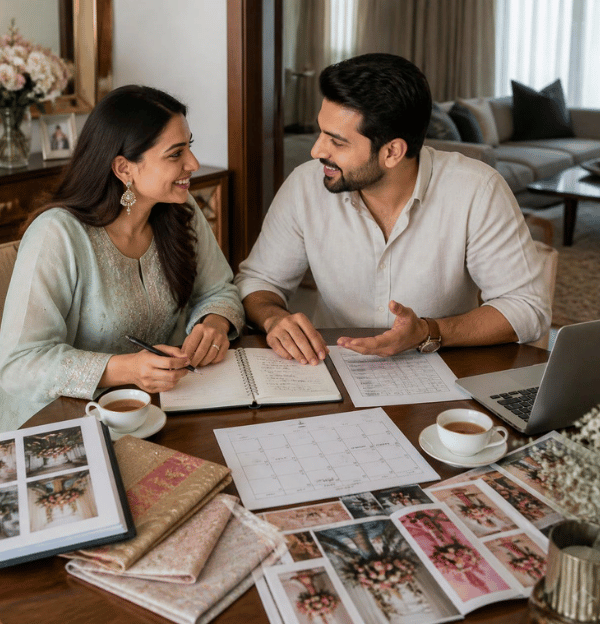
Transition from Engagement to Wedding is not just about arranging events and ceremonies. It is a process in which the couple prepares themselves psychologically, intellectually and materially for a new life stage. All conversations, decisions and activities during this period contribute to building of a strong relationship which will continue even after the wedding.
One of the biggest benefits of the period of engagement is communication. Couples must talk on all topics including career aspirations, financial matters, relations with families, plans concerning having kids in the future, lifestyle issues, traveling and long-term goals. All these talks will help the individuals see everything clearly and understand each other better prior to the marriage.
Trust develops naturally during the period of engagement. With increased communication and participation in weddings planning processes, couples start realizing their partner’s strengths, habits, approaches to decision-making, personal qualities. This helps reducing uncertainties and developing emotional trust between the partners.
Another great aspect of the Engagement to Wedding journey is team building. Arranging ceremonies, budgeting, choosing service providers and arranging schedule – all this requires a lot of cooperation. Cooperation teaches people how to make decisions taking into consideration other person’s point of view.
Family relations also develop during this period. The two families spend their time preparing themselves for traditions, celebrations, and marriage preparations. Good communication makes good relationships which will continue after marriage. Formation of strong family relationships at an early stage plays a significant role in the future.
Preparation for the wedding is also a period that helps the couple become responsible. Making a reasonable budget, keeping track of spending, making important purchases and not wasting money on unnecessary items make them ready to manage future household budgeting.
Emotional preparation is as necessary as the above mentioned points. Marriage brings a number of responsibilities, routines and expectations. Couples who have discussed these matters before the wedding adapt easier because they already know each other’s views.
Moreover, the engagement period should be spent enjoying themselves rather than constantly planning. They need to celebrate together, feel the family’s support, stop talking about the wedding for some time and create happy moments besides buying and organizing the ceremony.
Ultimately, the Engagement to Wedding journey should be viewed as preparation for a lifetime rather than simply preparation for one celebration. Honest communication, mutual respect, thoughtful planning, financial responsibility, family cooperation, and emotional maturity transform these months into one of the most meaningful chapters of a couple’s life.

Good Engagement to Wedding Planning is made simple through organized and systematic approach on every single responsibility of the couples rather than waiting for the last minute to make all these arrangements.
Start off by making extensive planning checklists right away once the engagements have been made. Responsibilities can be categorized into different groups according to various aspects such as venue booking, sending out invitations, arranging photos, catering, decoration, shopping, travel and accommodation, legal requirements, among others. Listing down completed responsibilities makes it easier not to miss anything.
Time management can also be helpful during the planning process. Set deadlines for each responsibility that is assigned without having to do everything at once. This enables one to have time for other activities without getting too stressed.
Lastly, communication needs to be constant throughout the period of engagement. Couples should ensure that they keep meeting frequently to discuss the status of their weddings, finance, family involvement and future plans.
Financial prudence can help to ensure that the planning process does not turn out to be stressful as well. It is essential to prepare a detailed budget before any purchases. One should compare prices, make sure all necessary things have priority, and keep track of payments. An emergency budget can give additional comfort in case something unexpected will happen.
It is important to take care of health when getting ready for a wedding. Due to a hectic lifestyle, people may forget about eating right, getting enough sleep, and having unnecessary stress. It is crucial for both future husband and wife to maintain their physical and psychological well-being.
It is possible to save time by delegating some duties to other people. Family members and close friends will gladly help in organizing invites, managing guests, transportation, accommodation, and ceremonies.
One more useful Engagement to Wedding tip is flexibility. Even though every detail is carefully thought out and planned in advance, there is a possibility that something unpredictable will happen. This may include changes in schedule, problems with vendors, bad weather, or other issues. A calm approach will allow the whole family to resolve any problem easily without spoiling the celebration mood.
Remember that marriage extends far beyond the wedding day. While planning ceremonies is exciting, investing equal energy into understanding each other’s values, communication styles, and future expectations creates a much stronger foundation for lifelong happiness.
The most successful couples recognize that wedding planning is not simply about creating beautiful events. It is about learning teamwork, strengthening trust, building family relationships, practicing financial responsibility, and preparing for a shared future. Approached with patience, organization, and positivity, the Engagement to Wedding journey becomes an unforgettable experience filled with love, cooperation, and lasting memories.
Offering Multilingual Choices
Offering Multilingual Choices
Offering Multilingual Choices
Offering Multilingual Choices
The months from Engagement to Wedding are not only about preparing ceremonies but also about developing habits that strengthen future married life. Positive routines help couples improve communication, manage responsibilities, build trust, and understand each other more deeply. Every thoughtful action during this period contributes to emotional stability after marriage. The following habits encourage cooperation, respect, and confidence while helping couples prepare for a successful lifelong partnership instead of focusing only on wedding celebrations.

During the engagement period, make time every week to discuss future plans without distractions. Talk about careers, finances, family responsibilities, travel goals, children, and personal ambitions.
Regular conversations prevent misunderstandings while helping both individuals remain emotionally connected throughout wedding preparations.
Consistent communication builds confidence and creates a stronger partnership before marriage begins.
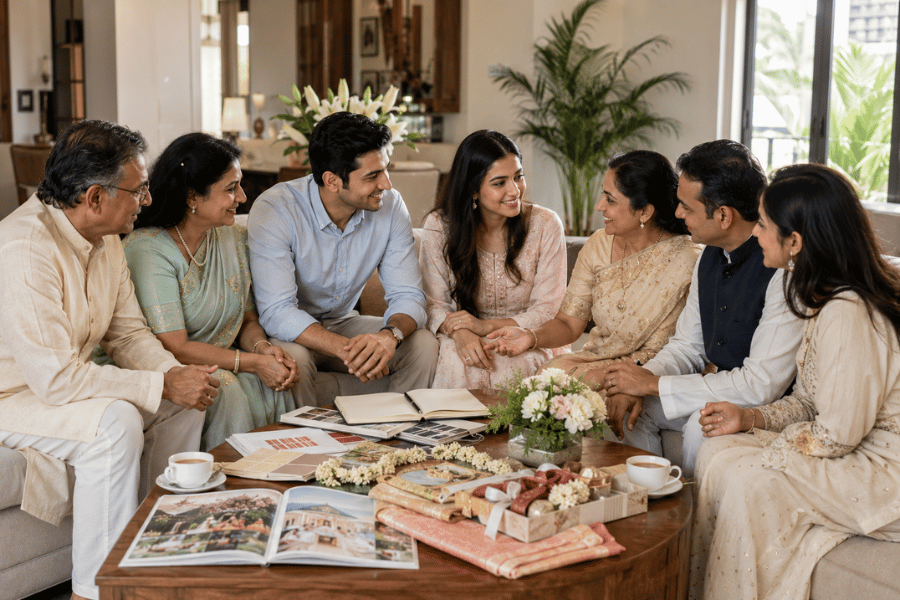
Both families contribute valuable traditions, experiences, and support during wedding preparations. Respecting everyone’s opinions creates harmony throughout the planning process.
When differences arise, encourage calm discussions rather than arguments. Finding balanced solutions strengthens family relationships and reduces unnecessary stress.
Healthy family cooperation creates joyful wedding memories for everyone involved.

Financial discipline remains one of the most important habits during the Engagement to Wedding journey. Track every expense carefully while staying within the agreed budget.
Avoid unnecessary purchases simply because they appear attractive. Prioritize meaningful investments that contribute directly to the wedding experience.
Responsible financial habits prepare couples for future household management.
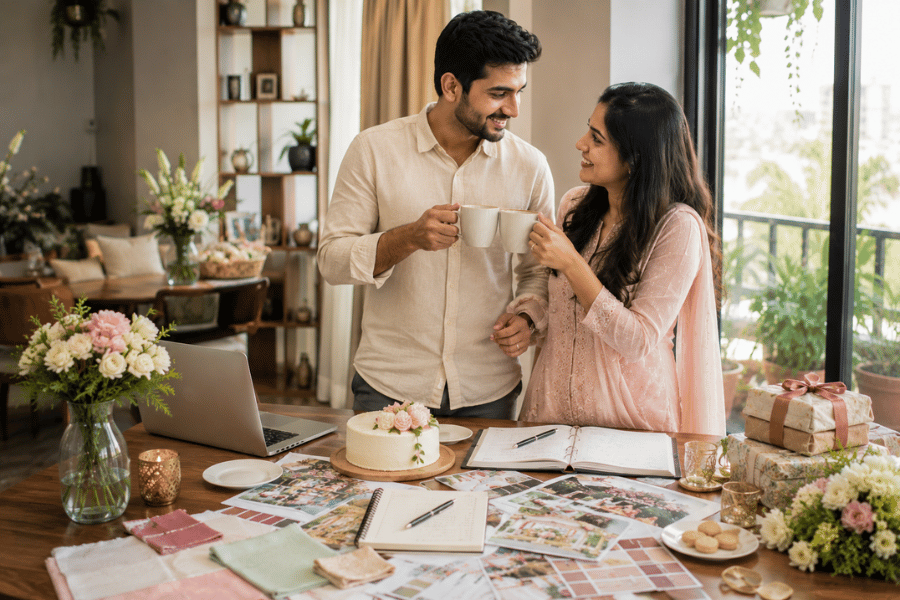
Wedding preparation becomes more enjoyable when couples celebrate progress instead of focusing only on unfinished tasks.
Completing shopping, booking venues, finalizing invitations, or selecting wedding outfits are meaningful milestones worth appreciating together.
Celebrating these moments creates positive memories while reducing planning pressure.
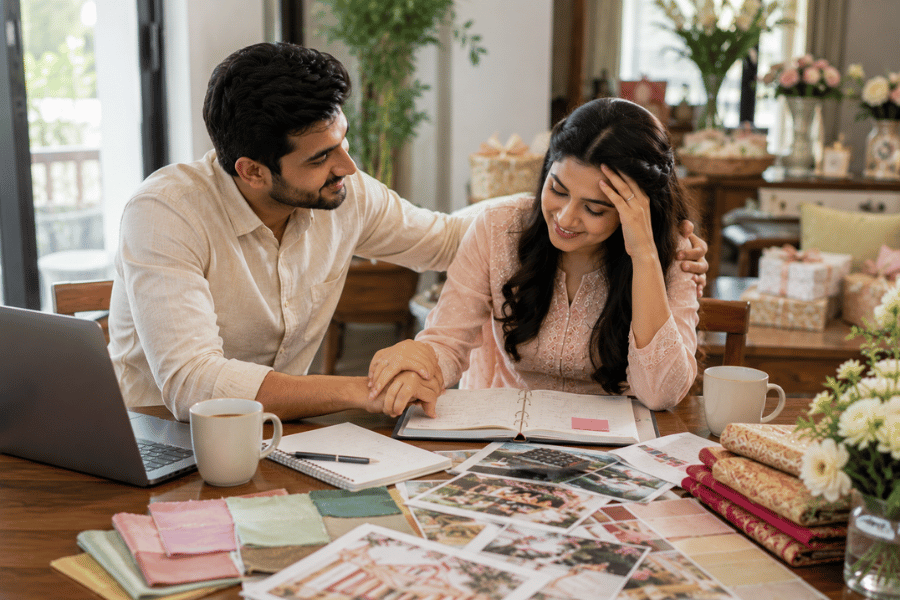
Wedding planning occasionally becomes stressful because of deadlines, responsibilities, and unexpected changes. Emotional support becomes extremely valuable during these moments.
Encourage one another, remain patient, and solve problems together instead of assigning blame. Teamwork strengthens relationships during challenging situations.
Supportive partnerships become stronger before marriage even begins.

Although wedding responsibilities require attention, couples should also spend time enjoying simple activities together. Walks, family dinners, hobbies, or casual conversations maintain emotional connection.
Taking breaks prevents exhaustion while reminding both individuals why they chose each other in the first place.
Balanced living creates healthier and happier wedding experiences.
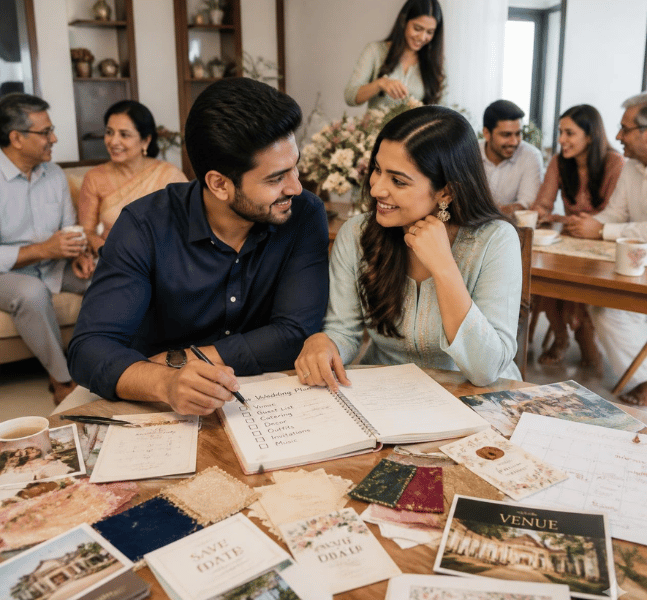
The path from Engagement to Wedding is among the most significant ones that every couple goes through since it brings joy, excitement, preparation, learning and emotional development. Although the actual wedding takes place in a brief moment, the experience of the engagement stage brings benefits to the couples long after their marriage.
First, one of the great advantages of this journey is the possibility to improve communication. The fact that the couple regularly talks about its plans, expectations, financial matters, values and career goals gives it some experience in being ready to face these problems in the marriage.
Second, trust is formed greatly during this time. Planning weddings, resolving problems, scheduling events, decision-making allows the couple to realize what strong sides it has and how they communicate. With every problem solved together, the ability to work as a team is developed, becoming a really valuable quality.
Third, emotional maturity is also achieved. While waiting for the ceremony, being able to change the plans and working with family opinion difference, the couple gains experience for further duties.
Family relations grow stronger too. Each family spends time organizing events, celebrating traditions, and helping the couple in the process of preparation. Such respectful communication in this period often results in long-term relations that persist even after marriage.
One more advantage lies in the development of necessary life skills. Planning a wedding helps one learn to manage budgets, schedule, organize, negotiate, work in teams, and make responsible decisions. Such skills will be useful all through married life because they are needed in household management, career building, and family raising.
Personal development takes place as well. One can often notice that many people become more self-confident, organized, balanced emotionally, and responsible before their marriage. It becomes easier to communicate respectfully, to cope with disagreements, and see things from another person’s point of view.
Not less important thing to remember is to have fun in the process. People tend to be so busy completing tasks that they do not have enough time for enjoying happiness around them. It is necessary to take pictures, celebrate every achievement, spend time together, and show appreciation in order to have something more valuable than wedding decor or celebration.
Ultimately, the Engagement to Wedding journey is about preparing hearts as much as preparing ceremonies. Every conversation, every shared responsibility, every family celebration, and every thoughtful decision helps build the emotional foundation upon which married life begins. When approached with patience, honesty, kindness, and mutual respect, these months become an unforgettable experience that prepares couples not only for a beautiful wedding day but also for a lifetime of happiness, companionship, and shared success.
Every stage of the Engagement to Wedding journey teaches couples important lessons that continue benefiting their marriage long after the celebrations end. Beyond selecting venues or planning ceremonies, this period helps couples develop communication, teamwork, patience, financial responsibility, emotional maturity, and stronger family relationships. Learning these valuable lessons before marriage creates confidence while preparing both individuals for future responsibilities. The following experiences explain how the engagement period becomes one of the strongest foundations for a successful and lasting married life.

The most valuable lesson throughout the Engagement to Wedding period is the importance of honest communication. Many successful marriages begin because couples invest time discussing meaningful topics before the wedding rather than avoiding difficult conversations.
During engagement, couples should openly discuss financial expectations, career ambitions, family responsibilities, lifestyle preferences, travel goals, children’s future, personal values, and emotional expectations. These conversations reduce misunderstandings after marriage because both individuals understand each other’s priorities clearly.
Honest communication also encourages emotional trust. Instead of trying to appear perfect, both partners feel comfortable expressing concerns, asking questions, and discussing uncertainties respectfully. This openness creates emotional security that continues throughout married life.
Even when opinions differ, respectful discussions strengthen relationships because they teach compromise and mutual understanding. Couples who communicate honestly before marriage often handle future disagreements more calmly because they have already developed healthy communication habits.
Ultimately, honest conversations during the engagement period become one of the strongest pillars supporting lifelong companionship.

Financial planning becomes one of the most practical lessons learned during the Engagement to Wedding journey. Weddings involve numerous expenses including venues, clothing, jewelry, photography, decorations, food, transportation, accommodation, and ceremonies.
Preparing realistic budgets teaches couples responsible financial management before married life begins. Discussing spending priorities openly encourages transparency while helping families avoid unnecessary financial pressure.
This experience also introduces important budgeting habits such as tracking expenses, comparing prices, prioritizing essential purchases, and maintaining emergency savings. These practical skills remain valuable long after the wedding because similar financial planning supports everyday household management.
Couples who learn responsible budgeting together often develop stronger financial partnerships. They begin understanding how to make decisions jointly while respecting each other’s financial perspectives.
The engagement period therefore becomes an excellent opportunity to build healthy financial habits that contribute to long-term family stability.

The Engagement to Wedding journey creates meaningful opportunities for both families to develop lasting relationships. Wedding planning naturally brings relatives together through ceremonies, shopping, traditions, celebrations, and preparation activities.
Healthy cooperation begins with mutual respect. Listening carefully to family suggestions while balancing modern preferences creates harmony throughout the planning process. Families feel appreciated when their traditions and experiences receive thoughtful consideration.
This cooperation also teaches couples how to manage relationships respectfully after marriage. Learning to communicate with parents, siblings, and extended family members creates stronger emotional support systems for the future.
Families working together often solve unexpected challenges more efficiently because responsibilities become shared rather than individual. Cooperation transforms wedding planning into a joyful experience instead of a stressful obligation.
Strong family relationships established during engagement frequently continue throughout married life, creating a supportive environment for future celebrations and family milestones.

Patience becomes another invaluable lesson during the Engagement to Wedding period. Wedding preparation rarely follows a perfectly predictable schedule. Vendor delays, shopping adjustments, changing guest lists, and unexpected circumstances require flexibility.
Learning patience during these months helps couples remain calm when plans change unexpectedly. Rather than becoming frustrated, successful couples focus on solving problems together.
Patience also improves communication because emotional reactions become more balanced. Couples learn to discuss challenges respectfully while supporting one another instead of assigning blame.
Marriage itself requires similar patience. Daily responsibilities, career changes, family commitments, and personal growth all demand emotional flexibility. Couples who practice patience before marriage often adapt more comfortably to future changes.
This emotional maturity becomes one of the greatest gifts provided by thoughtful engagement planning.

Wedding planning naturally teaches teamwork because every important responsibility requires cooperation. Selecting venues, managing budgets, organizing ceremonies, shopping, coordinating guests, and scheduling events all involve shared decision-making.
Instead of allowing one individual to handle every responsibility, couples learn how to divide tasks according to strengths and availability. This balanced approach encourages fairness while reducing unnecessary stress.
Teamwork creates emotional partnership because both individuals begin viewing every challenge as a shared responsibility rather than an individual burden.
Marriage itself requires similar patience. Daily responsibilities, career changes, family commitments, and personal growth all demand emotional flexibility. Couples who practice patience before marriage often adapt more comfortably to future changes.
These collaborative experiences prepare couples for future responsibilities involving careers, finances, household management, parenting, and family decisions after marriage.

Although wedding planning includes numerous responsibilities, it also creates unforgettable memories that couples cherish throughout their lives. The Engagement to Wedding period includes shopping together, selecting invitations, attending family celebrations, planning ceremonies, taking photographs, and celebrating milestones.
These shared experiences strengthen emotional connection because they represent the beginning of a lifelong journey rather than simply preparation for one event.
Many couples later realize their happiest memories were not limited to the wedding day itself but included laughter during shopping trips, family dinners, planning sessions, and simple conversations throughout engagement.
Taking time to appreciate these ordinary moments creates lasting happiness. Gratitude, kindness, patience, and mutual support transform wedding preparation into a beautiful chapter filled with love and togetherness.
Ultimately, every thoughtful moment shared before marriage contributes to stronger relationships that continue growing long after the wedding celebrations have ended.
With 140+ branches across USA, largest network of its kind
Couples should begin planning immediately after the engagement ceremony by creating a realistic timeline for every important task. Start with budgeting, venue selection, guest list preparation, and vendor research before moving to shopping and ceremony planning. Beginning early provides flexibility, reduces stress, and allows enough time for unexpected changes. A well-organized Engagement to Wedding plan helps families enjoy every celebration while avoiding unnecessary last-minute pressure.
A detailed wedding timeline helps organize every responsibility in a logical order. It allows couples to schedule venue bookings, shopping, invitations, catering, photography, decorations, and legal formalities without confusion. Timelines also reduce the chances of forgetting important tasks. Proper planning ensures the Engagement to Wedding journey remains smooth, enjoyable, and well-coordinated for both families.
Wedding budgeting should begin with listing every expected expense, including venue, food, clothing, decorations, photography, transportation, gifts, and emergency costs. Couples should openly discuss financial responsibilities with both families while maintaining transparency throughout the planning process. Responsible budgeting prevents unnecessary financial stress and supports confident decision-making during the Engagement to Wedding journey.
Regular communication, mutual respect, and shared planning meetings help families coordinate effectively. Discuss traditions, ceremony schedules, guest arrangements, and responsibilities openly while encouraging everyone’s participation. Respecting different opinions creates harmony throughout preparations. Positive family cooperation transforms the Engagement to Wedding period into a joyful experience while strengthening relationships before marriage.
Marriage involves emotional adjustment as much as wedding celebrations. Couples should use the engagement period to discuss expectations, responsibilities, communication styles, and future goals honestly. Emotional preparation strengthens trust while reducing misunderstandings after marriage. Healthy conversations during the Engagement to Wedding phase create confidence, emotional maturity, and stronger long-term compatibility.
Wedding shopping should begin several months before the ceremony instead of waiting until the final weeks. Purchasing clothing, jewelry, accessories, gifts, and ceremony items gradually allows sufficient time for alterations, exchanges, and thoughtful decisions. Early shopping reduces unnecessary stress while making the Engagement to Wedding experience more organized and enjoyable for everyone involved.
Stress becomes manageable through proper planning, realistic expectations, shared responsibilities, and regular communication. Taking breaks, maintaining healthy routines, sleeping adequately, and spending quality time together also improve emotional balance. Couples who work as a team throughout the Engagement to Wedding process usually enjoy happier preparations and stronger relationships before marriage.
Couples should discuss careers, finances, family responsibilities, future children, personal values, travel goals, lifestyle expectations, and long-term ambitions. Honest conversations strengthen understanding while helping both individuals evaluate compatibility. Regular communication during the Engagement to Wedding period creates trust, emotional security, and greater confidence before beginning married life together.
Avoid delaying important bookings, ignoring budgets, neglecting communication, trying to achieve perfection, or making major decisions without discussion. Couples should also avoid unnecessary stress by planning early and respecting family opinions. Learning from these common mistakes helps ensure a smoother Engagement to Wedding journey while protecting emotional well-being and family harmony.
Avoid delaying important bookings, ignoring budgets, neglecting communication, trying to achieve perfection, or making major decisions without discussion. Couples should also avoid unnecessary stress by planning early and respecting family opinions. Learning from these common mistakes helps ensure a smoother Engagement to Wedding journey while protecting emotional well-being and family harmony.
Budget Planning for a Gujarati Wedding
Stay ahead of the curve! Subscribe for the latest updates, exclusive.
Copyright © 2025 Gujarati Soulmate.