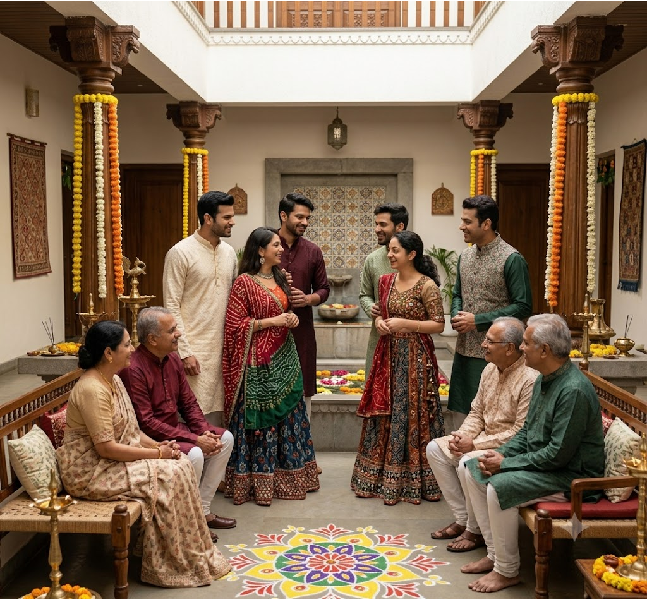
Gujarati communities have a rich cultural heritage, with traditions that continue to influence marriage and family life across generations. While modern matchmaking increasingly focuses on compatibility, education, values, and shared life goals, many families also consider community backgrounds during the partner selection process. Understanding gujarati castes for marriage helps individuals and families make informed decisions while respecting cultural traditions and personal preferences.
The Gujarati community includes several well-known castes and subcastes, each with unique customs, traditions, occupations, and family values. Communities such as Patel, Brahmin, Jain, Bania, Rajput, Kshatriya, Suthar, Lohana, and many others have developed distinct cultural identities over time. These communities often celebrate similar festivals and values while maintaining their own marriage customs and family traditions.
Today, online matrimonial platforms and marriage bureaus allow members to search for compatible partners according to community preferences while also considering education, profession, lifestyle, family background, and personal interests. This balanced approach helps families preserve cultural values while embracing modern matchmaking practices that emphasize compatibility and mutual understanding.
When discussing gujarati castes for marriage, it is important to recognize that every family has different expectations. Some families prefer marriages within their own community, while others prioritize education, career, shared values, personality, and long-term compatibility over caste considerations. Modern Gujarati society continues to evolve, allowing individuals greater flexibility in choosing life partners while respecting family traditions.
Understanding different Gujarati communities is valuable because it promotes awareness, cultural appreciation, and informed decision-making. Rather than creating divisions, learning about community backgrounds encourages respectful conversations between families and helps prospective partners better understand each other’s traditions and expectations. Ultimately, successful marriages are built upon trust, mutual respect, communication, honesty, and compatibility. While community traditions may remain meaningful for many families, lasting relationships depend primarily on shared values, understanding, and commitment. Combining traditional cultural awareness with modern relationship principles creates a balanced approach that supports happy and successful marriages within today’s Gujarati society. .
For many Gujarati families, community traditions continue to play a role during the matrimonial process. Understanding gujarati castes for marriage helps individuals appreciate cultural diversity while making informed decisions based on family expectations and personal compatibility. Gujarati society includes numerous communities and subcastes that have developed unique traditions over generations. These communities often share similar cultural values while maintaining distinct marriage customs, festivals, family practices, and social traditions. Many families continue to consider community backgrounds alongside education, profession, lifestyle, and future goals when searching for a compatible life partner.
Modern matrimonial platforms simplify this process by allowing users to search according to community preferences while also applying filters for education, occupation, religion, location, family background, and personal interests. This flexible approach enables members to respect traditional values without limiting compatibility.
It is equally important to understand that marriage decisions today increasingly focus on mutual respect, communication, personality, career aspirations, and shared life goals. Many Gujarati families welcome broader perspectives while maintaining appreciation for their cultural heritage.
When exploring gujarati castes for marriage, families should approach the topic with respect and openness. Every community has its own customs and strengths, and successful marriages are ultimately built upon trust, understanding, and genuine compatibility rather than community identity alone. A balanced approach that respects both tradition and modern values creates stronger relationships and supports successful long-term marriages for today’s generation.
Gujarati society includes many respected communities that have contributed to the state’s rich cultural heritage. Understanding gujarati castes for marriage provides valuable knowledge about traditions while helping families appreciate cultural diversity during the partner selection process.

The Patel community is one of the largest and most recognized Gujarati communities. Many Patel families value education, entrepreneurship, strong family relationships, and cultural traditions. Matrimonial searches within the community often consider education, professional achievements, family background, and shared values alongside traditional customs. Today, many Patel families successfully combine modern thinking with cultural heritage when choosing suitable marriage partners.

Gujarati Brahmin families have traditionally emphasized education, knowledge, religious values, and cultural practices. Marriage discussions often include compatibility in education, family values, traditions, and mutual respect. While preserving cultural heritage, many modern Brahmin families also prioritize personality, career aspirations, and long-term compatibility during partner selection.

The Gujarati Jain community is known for emphasizing honesty, simplicity, compassion, education, and family unity. Shared religious beliefs, vegetarian lifestyles, ethical values, and mutual understanding are often important considerations during matrimonial discussions. Modern Jain families also value professional success and personal compatibility alongside traditional customs.

Gujarati Rajput families have a proud cultural history that emphasizes honor, respect, courage, and family traditions. Marriage decisions often consider education, family reputation, values, and compatibility. Many Rajput families successfully balance traditional customs with modern relationship expectations while encouraging mutual respect between prospective partners.

The Lohana community has a long tradition of entrepreneurship, business excellence, education, and strong family values. Matrimonial decisions generally focus on cultural compatibility, professional stability, family background, and shared aspirations. Many modern Lohana families welcome balanced approaches that combine tradition with contemporary lifestyle preferences.

Gujarati Bania families are widely respected for their business traditions, financial discipline, educational achievements, and close family relationships. Marriage discussions often include compatibility in values, career goals, family expectations, and cultural practices. Modern matchmaking within the community increasingly emphasizes mutual understanding, respect, and shared future aspirations alongside traditional customs.
Understanding different Gujarati communities helps families make informed matrimonial decisions while respecting traditions and cultural diversity. Learning about gujarati castes for marriage encourages better communication, mutual understanding, and compatibility during the partner selection process in both traditional and modern matchmaking.
Every Gujarati community has unique customs, traditions, festivals, and family values that shape marriage ceremonies and relationships. These traditions influence wedding rituals, cultural celebrations, family involvement, and social practices. Understanding these customs helps prospective partners and their families appreciate each other’s background while creating stronger relationships built on mutual respect, understanding, and shared cultural appreciation throughout married life.
Modern Gujarati families increasingly prioritize education, career, personality, lifestyle, and mutual respect alongside community preferences. While community identity remains important for many households, compatibility plays an equally significant role in successful marriages. This balanced approach allows families to respect traditions while ensuring prospective partners share common life goals, values, and future aspirations.
Modern matrimonial websites allow members to search according to community preferences while applying filters for education, profession, religion, location, age, family background, and lifestyle. This flexibility makes it easier to find compatible partners without sacrificing convenience. When exploring gujarati castes for marriage, online platforms offer a practical combination of traditional preferences and advanced matchmaking technology.
Every Gujarati community has its own history, traditions, and contributions to society. Respectful communication during matrimonial discussions strengthens relationships between families and promotes harmony throughout the marriage process. Avoiding stereotypes and appreciating cultural diversity encourages healthier conversations while building trust and mutual understanding between prospective partners.
Although community preferences remain important for some families, long-term marital success depends on trust, honesty, communication, mutual respect, and emotional compatibility. Shared family values, similar life goals, and supportive relationships contribute far more to a successful marriage than community identity alone. Strong values create lasting foundations for lifelong partnerships.
Learning about different Gujarati communities helps prospective partners understand traditions, expectations, festivals, and family customs before marriage. Cultural awareness reduces misunderstandings while encouraging respectful communication between both families. This knowledge strengthens relationships and creates smoother transitions into married life while honoring each family’s heritage and beliefs.
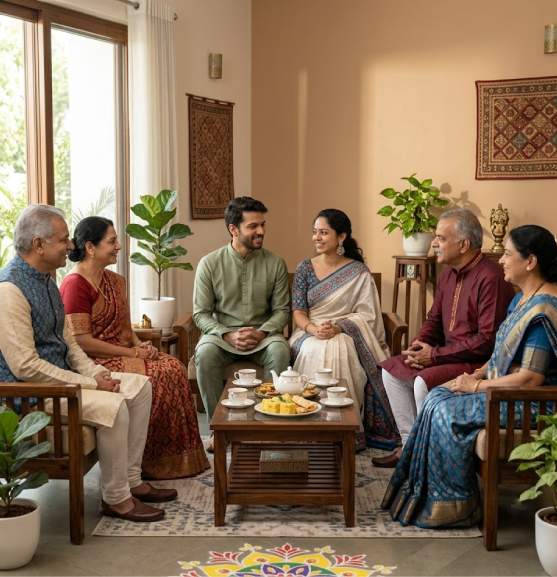
Gujarati society is known for its cultural diversity, rich traditions, and strong family values. While community identity has historically played an important role in matrimonial decisions, modern matchmaking increasingly combines traditional preferences with compatibility, education, lifestyle, and mutual understanding. Learning about gujarati castes for marriage helps families appreciate cultural heritage while making thoughtful and informed relationship decisions.
Communities such as Patel, Brahmin, Jain, Rajput, Lohana, Bania, Suthar, Kshatriya, and many others have unique customs that influence wedding ceremonies, family traditions, and social practices. These traditions often strengthen family connections and preserve cultural identity across generations. Understanding them helps prospective partners respect each other’s background while creating meaningful relationships based on trust and cooperation.
Today’s matrimonial platforms provide advanced search options that allow members to search according to community preferences without limiting other important compatibility factors. Education, profession, family values, lifestyle, interests, and future goals are now equally important considerations during partner selection. This balanced approach reflects the changing priorities of modern Gujarati families.
Respect and openness remain essential throughout the matchmaking process. Families who appreciate cultural diversity while encouraging honest communication often build stronger relationships. Instead of focusing exclusively on community identity, many successful marriages today are built upon mutual understanding, emotional compatibility, and shared long-term aspirations.
Understanding gujarati castes for marriage should be viewed as an opportunity to appreciate Gujarat’s rich cultural heritage rather than create differences between communities. Every family has unique traditions that deserve respect, and every successful marriage depends on trust, communication, patience, and commitment. Combining traditional values with modern relationship principles helps create happy, healthy, and lasting marriages for future generations.

Finding a compatible life partner involves balancing family traditions with individual preferences and long-term relationship goals. Understanding gujarati castes for marriage helps families recognize cultural practices while encouraging decisions based on compatibility, trust, and mutual respect rather than community identity alone.
Traditional Gujarati families often consider community background because shared customs can make family interactions, wedding ceremonies, and cultural celebrations more familiar. Similar traditions may also simplify communication between families and create comfort during the matrimonial process. However, modern marriages increasingly succeed because of shared values, education, understanding, and emotional compatibility rather than community similarities alone.
Online matrimonial websites have made partner searching more flexible than ever before. Members can search according to community while also filtering profiles based on education, profession, religion, age, location, family background, and lifestyle preferences. This combination allows users to respect family expectations without limiting opportunities to find genuinely compatible life partners.
Families should also encourage open conversations between prospective partners regarding career plans, financial goals, family responsibilities, cultural expectations, and future aspirations. Honest discussions build trust while helping both individuals evaluate long-term compatibility before marriage.
It is equally important to remember that every Gujarati community has contributed positively to the state’s culture, traditions, and social development. Respecting all communities promotes harmony while encouraging inclusive thinking during the matchmaking process. Successful marriages are created through kindness, understanding, patience, and mutual support rather than community identity alone.
Ultimately, learning about gujarati castes for marriage provides valuable cultural knowledge while helping families make balanced decisions. By combining traditional heritage with modern compatibility, Gujarati families can preserve their cultural values while supporting meaningful relationships that lead to happy, successful, and lifelong marriages.
Offering Multilingual Choices
Offering Multilingual Choices
Offering Multilingual Choices
Offering Multilingual Choices
Choosing a compatible life partner involves balancing family traditions with modern expectations. These practical tips help families understand gujarati castes for marriage while encouraging respectful communication, informed decisions, and long-lasting relationships built on compatibility, trust, and shared values.
Every Gujarati community has its own traditions, customs, and cultural practices that deserve equal respect. During matrimonial discussions, families should appreciate these differences rather than compare them. Respectful conversations create a positive atmosphere, encourage mutual understanding, and help build strong relationships between both families. Recognizing cultural diversity strengthens the foundation for a successful marriage while promoting harmony and trust throughout the matchmaking process.

Community background may be important for many families, but lasting marriages depend on shared values, honesty, communication, emotional understanding, and mutual respect. Couples with similar life goals, family expectations, and future aspirations are more likely to build happy relationships. While exploring gujarati castes for marriage, balancing tradition with compatibility creates stronger and healthier marriages for modern families.
Every family follows unique customs during engagement ceremonies, weddings, festivals, and post-marriage traditions. Learning about these practices before marriage reduces misunderstandings and helps both families prepare for future responsibilities. Open discussions regarding traditions encourage respect while allowing prospective partners to understand each other’s cultural expectations before beginning married life.

Every matchmaking service offers different pricing structures. Marriage bureaus may charge consultation or registration fees, while online matrimonial websites provide free and premium membership options. Comparing available plans helps members understand the value of each service before investing. Choosing a membership that matches your budget ensures a comfortable and rewarding matchmaking experience.

Successful marriages begin with open and respectful communication. Families should discuss education, career goals, cultural traditions, financial expectations, future plans, and family responsibilities honestly. Transparent conversations reduce confusion while strengthening trust between prospective partners. Good communication creates confidence and supports long-term relationship success beyond community considerations.
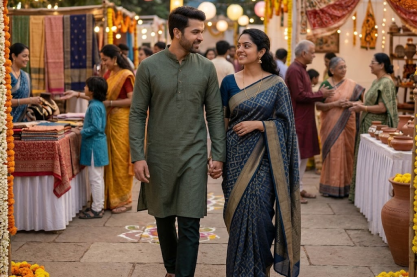
Modern Gujarati families increasingly combine traditional customs with progressive thinking during partner selection. Respecting cultural heritage while encouraging education, career development, mutual understanding, and independent decision-making creates balanced relationships. This thoughtful approach allows families to preserve traditions while supporting happy, healthy, and successful marriages for future generations.
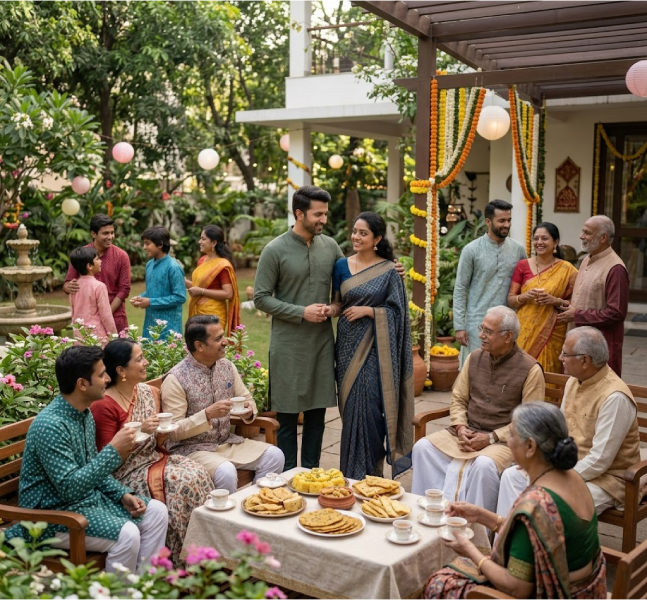
Gujarati culture is known for its rich heritage, strong family values, and diverse communities. Throughout history, different communities have developed unique traditions, customs, and marriage practices that continue to influence family life today. Understanding gujarati castes for marriage helps individuals appreciate these cultural differences while making informed matrimonial decisions based on both tradition and compatibility.
Many Gujarati families continue to consider community preferences during partner selection because shared customs often create familiarity between families. Similar traditions may simplify wedding ceremonies, cultural celebrations, festivals, and family interactions after marriage. Communities such as Patel, Brahmin, Jain, Rajput, Lohana, Bania, Kshatriya, and many others each contribute valuable cultural traditions that enrich Gujarati society.
At the same time, modern matchmaking has evolved significantly. Today’s matrimonial platforms encourage members to consider education, profession, lifestyle, personality, values, family background, and long-term compatibility alongside community preferences. This balanced approach allows families to preserve cultural identity while ensuring prospective partners share similar life goals and expectations.
Technology has also transformed the matrimonial experience. Verified profiles, intelligent search filters, secure communication, and personalized recommendations make it easier than ever to find compatible partners across different cities and countries. Families can participate actively in the process while allowing individuals to communicate respectfully and understand each other before making important marriage decisions.
It is equally important to recognize that every Gujarati community deserves respect and appreciation. Rather than focusing on differences, understanding cultural diversity encourages stronger relationships between families and promotes social harmony. Successful marriages are built through honesty, trust, patience, kindness, emotional support, and mutual respect.
Ultimately, learning about gujarati castes for marriage provides cultural knowledge that supports thoughtful decision-making without limiting personal compatibility. By combining traditional values with modern relationship principles, Gujarati families can preserve their heritage while encouraging meaningful partnerships that lead to happy, successful, and lifelong marriages. A balanced approach ensures that both family traditions and individual aspirations are respected, creating stronger relationships for generations to come.
Learning about Gujarati communities helps families make informed matrimonial decisions while respecting cultural traditions. Understanding gujarati castes for marriage encourages thoughtful matchmaking, promotes mutual respect, and supports long-lasting relationships built on compatibility, communication, family values, and shared life goals.
Gujarati communities preserve valuable traditions through wedding ceremonies, festivals, family customs, and social values. These traditions create strong family bonds while maintaining cultural heritage across generations. Understanding community practices allows prospective partners to appreciate each other’s backgrounds and participate confidently in family celebrations. Respect for traditions strengthens relationships and supports a harmonious married life built on cultural understanding.
Although community preferences may influence matchmaking, modern Gujarati families increasingly value education, career stability, personality, emotional maturity, and mutual respect. Successful marriages depend on trust, communication, and shared goals rather than community identity alone. While learning about gujarati castes for marriage, families should balance traditional expectations with practical compatibility for lifelong happiness.

Digital matrimonial websites provide advanced search filters that allow users to search by community, religion, profession, education, location, family background, and lifestyle. Verified profiles and secure communication make the matchmaking process more organized and convenient. Technology enables families to preserve traditional preferences while benefiting from modern matchmaking tools that improve partner selection.

Honest communication between families helps clarify expectations regarding traditions, career plans, financial responsibilities, cultural values, and future goals. Open discussions reduce misunderstandings while strengthening trust between prospective partners. Families who communicate respectfully create stronger foundations for successful marriages and long-term family relationships.

Learning about different Gujarati communities encourages appreciation instead of comparison. Every community contributes unique traditions, customs, values, and cultural practices that enrich Gujarati society. Respecting these differences promotes harmony, strengthens relationships, and helps families build meaningful matrimonial connections based on understanding rather than assumptions.

Modern matchmaking allows families to respect cultural traditions while considering education, lifestyle, compatibility, career goals, and personal values. This balanced approach supports informed decision-making without limiting opportunities for meaningful relationships. Combining heritage with progressive thinking creates stronger marriages that succeed in today’s changing social environment.
With 140+ branches across USA, largest network of its kind
Gujarati castes for marriage refer to the various communities and subcommunities within Gujarati society that many families consider during the matchmaking process. These preferences are often based on shared traditions, customs, cultural values, and family backgrounds. Today, while community remains important for some families, education, compatibility, communication, and mutual respect are equally important when selecting a life partner.
Several Gujarati communities participate in traditional and modern matchmaking, including Patel, Brahmin, Jain, Rajput, Lohana, Bania, Kshatriya, Suthar, and others. Every community has its own customs and traditions. Families usually consider shared cultural values, education, profession, and family background together when selecting compatible marriage partners.
Yes, community remains meaningful for many Gujarati families because it reflects cultural traditions and family customs. However, modern marriages increasingly focus on education, career goals, personality, emotional compatibility, and mutual understanding. Most families now balance traditional preferences with practical compatibility to ensure successful long-term relationships.
Yes. Most trusted matrimonial websites allow members to search profiles based on community, religion, education, profession, age, family background, location, and lifestyle preferences. These advanced search filters help users respect traditional preferences while making the matchmaking process faster, more organized, and convenient.
Absolutely. Successful marriages depend primarily on trust, communication, compatibility, honesty, and shared life goals. While some families prefer marriages within their own community, many couples from different Gujarati communities build happy and lasting relationships by respecting each other’s traditions and supporting one another throughout married life.
Families usually consider several factors, including education, profession, personality, family values, religion, lifestyle, financial stability, communication, and long-term compatibility. Community preferences may also be considered depending on family traditions. A balanced approach helps identify suitable partners while respecting both tradition and individual expectations.
Understanding different communities encourages respect, reduces misunderstandings, and strengthens relationships between families. Learning about customs, traditions, wedding ceremonies, and family expectations allows prospective partners to appreciate each other’s cultural heritage while preparing for a harmonious married life based on mutual understanding.
Many reputable matrimonial platforms verify member identities through mobile numbers, email addresses, and profile verification processes. Community information is generally provided by registered members, and users should communicate openly and verify important details before making any marriage-related decisions.
For many modern families, compatibility has become one of the most important factors. Shared values, emotional understanding, career aspirations, communication, and mutual respect contribute significantly to long-term marital success. Community may remain important, but compatibility often determines the strength and happiness of the relationship.
Stay ahead of the curve! Subscribe for the latest updates, exclusive.
Copyright © 2025 Gujarati Soulmate.