
Work-Life Balance After Marriage is one of the crucial elements to create a healthy and happy relationship, as well as to succeed professionally. Getting married changes the person’s life significantly and brings many new duties, goals, and feelings that need to be attended. However, professional growth is still necessary for people to feel stable and satisfied. The correct combination of these aspects enables people to live a more satisfying life without being pressed by everyday challenges.
Each pair faces different working schedule, family responsibilities, as well as personal ambitions. Due to the diversity in such cases, there cannot be one effective recipe for everyone. On the contrary, successful people organize themselves in a way that fits their specific lifestyle and facilitates discussions of their expectations in relation to work, housekeeping, money matters, and leisure.
Work-Life Balance After Marriage does not involve spending equal time on work and family every day. It is all about allocating time for each of these fields correctly over time. Sometimes, people should give preference to working and, sometimes, to spending time with their family members.
It is essential to help your spouse realize his/her professional goals while respecting his/her personal duties. In this way, you will create a relationship when both parties will feel comfortable and eager to develop their careers. Doing household chores together, arranging your schedule and respecting your workload will decrease pressure levels.
Spending time together is another component for building emotional bond. Even simple actions like eating dinner together, having a walk in the evening, doing something fun or sharing your thoughts about daily events increase the level of your companionship regardless of your busy schedule. You remember that your marriage needs constant attention and care.
Stress control is another essential element of the process. Long working days, deadlines and personal responsibilities may influence your emotional state negatively. Therefore, effective communication, support and healthy lifestyle will be helpful in this situation.
In conclusion, Work-Life Balance After Marriage is an attempt to find harmony between professional goals and private life. Communicating effectively, supporting each other’s goals and caring about emotional bond, you may create such marriage that will bring you happiness and success in any sphere of your activity.
Work-life balance after marriage is crucial not only to pursue success in one’s career but also for a fulfilling relationship. The commitment and shared goals that come with marriage must be considered along with professional obligations. Balanced life brings about happiness, less stress and increased emotional attachment.
The first advantage of balanced life is better communication. Couples who allocate enough time for talking to each other better understand each other’s experiences, problems and expectations. It makes misunderstandings less probable and increases trust even in spite of the hectic schedule at work.
Another advantage of balance is positive impact on health. Being constantly under work pressure without having any time for oneself may result in stress, tiredness and emotional burnout.
One more advantage of Work-Life Balance After Marriage is the ability to build a good team. When spouses share their housework, organize their time, and help each other in building careers, this creates an atmosphere of teamwork. This means that instead of feeling overloaded with obligations, a couple is trying to reach their common goals together.
A well-balanced way of living enables people to enjoy important events, engage in family entertainment, and have beautiful memories. This contributes to developing closer relationships and to improving the quality of marriage in general.
In conclusion, maintaining Work-Life Balance After Marriage enables partners to build a successful and happy life, where their professional achievements go along with their private happiness.
Developing Work-Life Balance After Marriage is a process of having habits that will ensure that both work demands and married life go hand-in-hand. Couples who practice good time management skills and communication develop a fruitful marriage. It is important to note that little things make more sense than big things in terms of development in one’s life. Developing good habits will enable people not only to enjoy work and marriage but also to become less stressed and build a better relationship with their loved one. Here are some habits that can help with all this.

Planning daily responsibilities together helps couples organize work schedules and personal commitments more effectively. Work-Life Balance After Marriage becomes easier when both partners understand each other’s priorities and create realistic plans. Discussing meetings, family responsibilities, household tasks, and personal activities reduces confusion and prevents unnecessary stress. Daily planning also encourages teamwork because both individuals contribute to managing responsibilities. Couples who plan together are better prepared to handle unexpected situations while maintaining quality time for their relationship. This habit creates better organization, improves communication, and strengthens mutual support.

Sharing household responsibilities fairly creates a healthier relationship and reduces pressure on one partner. Work-Life Balance After Marriage improves when cooking, cleaning, shopping, and other daily tasks are managed together. Equal participation allows both individuals to focus on career growth while maintaining a comfortable home environment. Discussing responsibilities openly prevents resentment and encourages cooperation. Flexibility is important because workloads may change from day to day. Couples who support each other with household tasks experience greater relationship satisfaction and lower stress levels.

Even busy couples should dedicate time for meaningful interactions every day. Work-Life Balance After Marriage is strengthened through simple activities such as sharing meals, evening walks, or discussing daily experiences. Quality time helps partners reconnect emotionally despite demanding work schedules. These moments improve communication, strengthen friendship, and remind couples of their shared priorities. Consistent quality time creates positive memories and helps prevent emotional distance. A few uninterrupted minutes together each day can significantly improve long-term relationship happiness.

Supporting each other’s careers is an important part of maintaining balance after marriage. Work-Life Balance After Marriage requires partners to respect work schedules, career goals, and professional responsibilities. Understanding busy periods and offering encouragement creates a positive relationship environment. Instead of viewing work as competition for attention, couples should recognize its importance for financial stability and personal growth. Mutual respect allows both individuals to pursue professional success while maintaining a supportive marriage. This understanding strengthens trust and reduces unnecessary conflicts.

Clear communication prevents misunderstandings that often arise from assumptions. Work-Life Balance After Marriage depends on discussing schedules, responsibilities, emotions, and expectations openly. Rather than expecting a partner to automatically understand everything, couples should express their thoughts honestly. Open conversations allow both individuals to coordinate responsibilities and solve problems together. Honest communication also reduces emotional stress because partners feel heard and understood. Maintaining transparency strengthens trust and supports a healthier relationship.

Good health supports both career success and relationship happiness. Work-Life Balance After Marriage becomes easier when couples prioritize adequate sleep, healthy eating, exercise, and relaxation. Managing physical and mental well-being helps reduce stress and improves emotional resilience. Partners can motivate each other to maintain healthier lifestyles through shared activities and positive encouragement. A healthy body and mind improve patience, communication, and productivity. Investing in wellness benefits both individuals and contributes to a stronger, happier marriage.
Work-Life Balance after Getting Married involves planning and communication. Couples who have developed successful strategies will be able to meet their work obligations without losing touch with one another and taking care of themselves. The listed below methods will help you reduce your stress levels, improve relationships, and build work-life balance.
Creating structured daily schedules helps couples organize work commitments, household responsibilities, and personal time more effectively. Work-Life Balance After Marriage improves when both partners understand each other’s routines and coordinate activities together. Planning schedules reduces last-minute confusion and prevents important responsibilities from being overlooked. It also creates opportunities for quality time despite busy lifestyles. Reviewing schedules regularly allows couples to adjust plans when unexpected situations arise. Organized routines reduce stress while supporting productivity and relationship satisfaction.
Healthy boundaries prevent work responsibilities from constantly affecting family relationships. Work-Life Balance After Marriage becomes stronger when couples define specific times for work and personal life. Avoiding unnecessary work interruptions during family time helps maintain emotional connection. Similarly, respecting work hours improves productivity and professional focus. Clear boundaries encourage relaxation and reduce burnout. Couples who protect their personal time often experience greater relationship happiness while remaining committed to their careers.
Every career includes periods of increased workload and responsibility. During these times, emotional support becomes especially valuable. Work-Life Balance After Marriage depends on understanding temporary work pressures without creating unnecessary conflict. Partners can help by sharing additional household responsibilities, offering encouragement, and communicating openly about expectations. Mutual support strengthens trust and demonstrates commitment. Recognizing that busy periods are temporary helps couples maintain patience while continuing to prioritize their relationship.
Regular shared activities strengthen emotional connection and create lasting memories. Work-Life Balance After Marriage is easier to maintain when couples intentionally schedule enjoyable experiences together. Activities may include dining out, traveling, exercising, cooking, or pursuing hobbies. These moments provide relaxation and strengthen companionship beyond daily responsibilities. Spending meaningful time together improves communication and reminds partners of the importance of nurturing their relationship. Consistent shared experiences contribute to long-term marital happiness.
Financial planning plays an important role in reducing stress after marriage. Work-Life Balance After Marriage improves when couples communicate openly about budgets, savings, investments, and future financial objectives. Transparent financial discussions prevent misunderstandings and encourage teamwork. Both partners should participate in important financial decisions while respecting each other’s perspectives. Regular financial planning creates confidence and helps couples work toward shared goals. Strong financial communication contributes to greater stability and relationship satisfaction.
Marriage continues to evolve, making regular discussions about future goals essential. Work-Life Balance After Marriage remains effective when couples review their priorities, career ambitions, family plans, and personal aspirations together. These conversations ensure that both partners remain aligned as circumstances change. Reviewing goals also provides opportunities to celebrate achievements and adjust future plans. Continuous planning strengthens partnership and encourages mutual support. Couples who regularly discuss their future create a stronger, more adaptable, and fulfilling marriage.


Advantages of a Healthy Work-Life Balance after Marriage There are many advantages that can be achieved by couples after marriage if they achieve a healthy balance between their professional responsibilities and their private lives. Such couples will have a strong base for happiness and well-being. Instead of having to choose between career and private life, they will know how to combine these spheres skillfully.
The first of the major advantages is an increase in emotional bond. Communication and quality time spent together will help to strengthen the bond between the spouses, especially because of the changes in the responsibilities of each member of the family. Emotional connection appears gradually due to regular support and understanding.
Another advantage is the reduction in stress level. High levels of stress can harm the health of a person and his/her emotional state. Couples who strive to achieve a healthy balance between work and private life after marriage will have more time to relax and talk with each other.
A balanced lifestyle also encourages better communication. Couples who regularly discuss schedules, responsibilities, finances, and future plans develop stronger trust and cooperation. Open communication reduces misunderstandings while helping partners make important decisions together. This teamwork strengthens the relationship and creates confidence in handling future challenges.
Professional growth also benefits from a balanced approach. Individuals who maintain healthy personal relationships often experience greater motivation, focus, and productivity at work. Emotional support from a spouse increases confidence during demanding career phases and encourages long-term professional development. In return, career success contributes to financial stability and shared family goals.
Another valuable benefit is healthier family relationships. Couples who maintain balance have more opportunities to spend meaningful time together, celebrate achievements, participate in family activities, and create lasting memories. These shared experiences strengthen companionship and reinforce the importance of the relationship beyond work responsibilities.
Work-Life Balance After Marriage promotes personal development as well. Both partners should keep motivating themselves for learning new things and developing as individuals; they should keep doing what they like and pursuing their personal goals. Mutual encouragement and assistance create mutual respect and prevent any feeling of restrictions from appearing. In a balanced marriage, people can develop themselves and become even closer as a couple.
In a long term, regular balance leads to stability in the relationship. The couple gets used to its own system of communication and behavior, which helps them overcome difficulties that appear in any period of married life. They might face any issues, whether it is job change, financial difficulties, growing families, but they will solve all problems together.
In conclusion, Work-Life Balance After Marriage is a process, not the result. Through continuous changing of priorities, active communication and support, couples make their marriage happy and successful at any age.
Offering Multilingual Choices
Offering Multilingual Choices
Offering Multilingual Choices
Offering Multilingual Choices
Creating Long-lasting Work-Life Balance After Marriage requires the formation of productive daily practices that will enable you to be productive at your workplace and be successful in your personal relationships. It is important to remember that small but regular actions can be more effective than big but rare ones. Couples that practice open communication, divide their responsibilities and value each other’s time make better partnerships and enjoy career success. Healthy habits decrease the level of stress and provide an opportunity to spend time with each other.

Starting the day with a brief conversation helps couples understand each other’s schedules, priorities, and responsibilities. Work-Life Balance After Marriage becomes easier when both partners know about meetings, deadlines, appointments, and family commitments before the day begins. This simple habit reduces confusion and encourages better coordination.
Morning planning also allows couples to discuss household responsibilities and identify areas where additional support may be needed. By sharing expectations early, partners avoid unnecessary misunderstandings later in the day.
This routine strengthens communication, improves teamwork, and creates a sense of partnership. Even a ten-minute conversation every morning can help couples remain connected despite demanding work schedules. Consistent planning encourages mutual understanding and supports both relationship satisfaction and professional productivity.

Every individual has unique professional ambitions, and supporting these aspirations strengthens marriage. Work-Life Balance After Marriage improves when couples respect each other’s career objectives while maintaining emotional connection. Instead of viewing career growth as competition, partners should celebrate achievements and provide encouragement during challenging periods.
Understanding professional responsibilities helps reduce unnecessary conflicts during busy work seasons. Flexibility and patience allow couples to adapt when workloads temporarily increase.
Respecting career goals also builds trust because both partners feel supported in pursuing personal success. A marriage that encourages individual development creates greater confidence, motivation, and long-term relationship stability. Mutual encouragement strengthens both careers and emotional partnership.

Technology often interrupts meaningful conversations between couples. Creating technology-free quality time strengthens Work-Life Balance After Marriage by encouraging genuine interaction and emotional connection. Weekly activities such as dinner, walks, movie nights, or shared hobbies help partners reconnect without workplace interruptions.
Avoiding phones, emails, and social media during these moments demonstrates that the relationship remains a priority. Quality conversations improve understanding and strengthen friendship between spouses.
These regular experiences create positive memories and reduce emotional distance caused by busy schedules. Couples who consistently protect their quality time develop stronger communication, greater trust, and a healthier emotional bond throughout marriage.

Household responsibilities should be managed through cooperation rather than assumptions. Work-Life Balance After Marriage becomes more sustainable when couples divide responsibilities according to their work schedules and available time. Flexibility is important because workloads often change throughout the week.
Sharing responsibilities fairly reduces physical and emotional stress while preventing resentment. Open discussions about household expectations help partners understand each other’s limitations and provide support when needed.
Working together also creates a stronger sense of teamwork. Managing daily responsibilities cooperatively allows both individuals to focus on career growth while maintaining a comfortable and organized home environment that benefits the entire family.

Stress from work can easily influence personal relationships if emotions remain unspoken. Work-Life Balance After Marriage improves when couples communicate honestly about their feelings, concerns, and pressures before problems become overwhelming. Open conversations create emotional understanding and allow partners to offer meaningful support.
Expressing emotions respectfully prevents misunderstandings and reduces unnecessary arguments. Couples who discuss stress together often discover practical solutions that strengthen their partnership.
Honest communication builds trust because both individuals feel safe sharing their experiences without fear of judgment. Emotional openness creates a supportive marriage where challenges are faced together instead of individually.

Marriage and career goals naturally change over time, making regular discussions essential. Work-Life Balance After Marriage becomes more effective when couples review their shared priorities each month. Topics may include finances, career progress, family planning, travel, health, and personal development.
These conversations help partners stay aligned despite changing responsibilities. Reviewing goals also creates opportunities to celebrate achievements and adjust future plans when necessary.
Monthly discussions encourage teamwork and strengthen long-term commitment. Couples who consistently evaluate their priorities together create a balanced lifestyle where both professional ambitions and personal relationships continue to grow successfully.
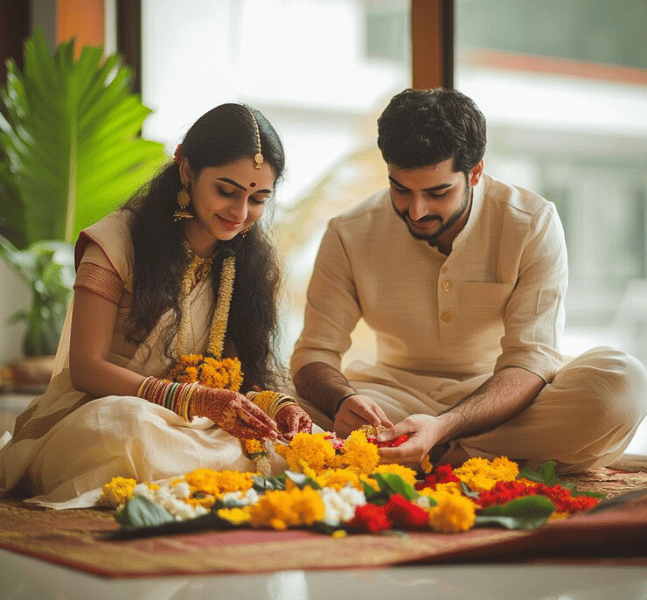
Building Sustainable Work-Life Balance in Marriage Needs More Than Time Management. It means constructing a life where work, personal life, and marriage help each other rather than competing for priority. Those who realize this principle will be able to maintain long-lasting happiness, stability, and success in their relationships.
The first step towards achieving this goal is understanding that work-life balance means something different for everyone. While some families face tough work life, others may value flexibility, or family obligations are more important for them. The key point here is not to compare yourselves with others but create the routine that fits your needs, values, and goals.
Communication should stay the basis of any successful balance. Talking about work schedule, personal wishes, financial obligations, and plans will help avoid any misunderstanding and will encourage teamwork. Moreover, communication will also help you adapt your routine when anything changes – from your career to your family size or moving.
Another critical component of Work-Life Balance After Marriage is understanding how to focus on quality rather than quantity. Sometimes it may be more useful to spend time together in a meaningful way, rather than spend even more time together. Having meals together, participating in weekend fun, celebrating victories, and engaging in meaningful conversations make an emotional bond and create good memories.
Providing support to each other in terms of self-improvement and development is also crucial. Marriage should motivate both people to learn, develop professionally, enjoy various hobbies, and pursue personal goals. The attitude towards each other’s achievements will be positive and not competitive when people do not feel intimidated by the successes of their partners.
Managing stress is one more element of sustainable balance. Being busy at work and being responsible for the family can lead to burnout. Physical and mental health maintenance helps to stay energetic and positive. It includes doing sports, eating healthily, sleeping enough, relaxing, and having fun. People who take care of themselves have better communication skills.
Flexibility is another characteristic trait to have in this case. Not everything will be perfect, as unexpected situations like career opportunities, health problems, and family obligations might appear at any time. Rather than getting upset because of those unpredictable events, successful couples adjust together and stay communicative at the same time.
Finally, thankfulness plays a great part in balancing marriage. Appreciation, encouragement, and recognition of each other’s contribution in any situation make the relations much more positive. The feeling of being appreciated will motivate both people to support each other in any situation.
Consequently, Work-Life Balance After Marriage is a constant process of adaptation, communication, and partnership. Accepting and respecting the partner’s goals and interests, staying physically and psychologically active, dividing duties equally, and connecting emotionally, couples can develop marriage that combines the successful career and personal happiness together.
Balancing Work Life Post-Mariage is an ongoing process that cannot be achieved once and for all. As one’s career develops and evolves, as well as family obligations become increasingly pressing and priorities change, partners will need to make constant changes and adjustments in their schedule and communication. A successful marriage relies on being flexible, working together, and supporting each other. With proper planning, people can have a successful career and not sacrifice their emotions and health. These are effective solutions that allow partners to keep balance in work and marriage.

Financial stability plays a major role in maintaining Work-Life Balance After Marriage. Couples who create long-term financial plans experience less stress and greater confidence while making important life decisions. Discussing monthly budgets, emergency savings, investments, insurance, retirement planning, and future family goals ensures that both partners understand their financial responsibilities.
Regular financial discussions help prevent misunderstandings and encourage transparency. Couples should review their financial progress periodically and adjust plans whenever circumstances change. Whether preparing for home ownership, children’s education, career transitions, or vacations, shared financial planning creates unity and reduces unnecessary anxiety.
Financial planning also supports career decisions by allowing partners to evaluate opportunities without making rushed choices. When both individuals understand their financial situation, they can support each other’s ambitions while protecting family stability. A well-managed financial plan strengthens trust, encourages teamwork, and contributes significantly to long-term relationship happiness and sustainable Work-Life Balance After Marriage.

Marriage should encourage both partners to achieve professional success without compromising their relationship. Work-Life Balance After Marriage becomes healthier when couples celebrate each other’s career achievements and provide emotional support during demanding periods. Professional growth should never be viewed as competition but as a shared success that benefits the entire family.
Supporting career development includes understanding work responsibilities, encouraging learning opportunities, respecting deadlines, and celebrating accomplishments together. During busy work seasons, partners can temporarily share additional household responsibilities to reduce stress.
At the same time, career ambitions should not completely replace quality time together. Maintaining emotional connection through regular conversations and shared experiences ensures that professional success strengthens rather than weakens the relationship. Couples who encourage each other’s growth build stronger trust, greater respect, and a more fulfilling partnership.

Family traditions provide stability and strengthen emotional connection throughout married life. Work-Life Balance After Marriage becomes easier when couples establish meaningful routines that remain priorities regardless of work commitments. Traditions may include weekly dinners, monthly outings, annual vacations, festive celebrations, or simple evening conversations.
These shared experiences create lasting memories and provide opportunities to reconnect emotionally despite busy schedules. Regular traditions remind couples that their relationship deserves attention alongside professional responsibilities.
Family traditions also create a sense of belonging and consistency. Even during stressful periods, maintaining these routines helps couples preserve emotional closeness. Over time, these moments become valuable memories that strengthen companionship and encourage lifelong commitment. Investing in traditions creates happiness that extends beyond career achievements and contributes to a balanced and meaningful married life.

Marriage evolves through different life stages, including career changes, relocation, parenthood, financial adjustments, and retirement planning. Work-Life Balance After Marriage depends on continuous communication throughout these transitions. Discussing expectations, concerns, and future plans allows couples to adapt together rather than facing change individually.
Major life changes often create uncertainty, making open communication even more important. Honest discussions help partners understand each other’s emotional needs while developing practical solutions together.
Regular communication also prevents misunderstandings and builds confidence during uncertain periods. Couples who openly discuss challenges develop stronger teamwork and emotional resilience. By maintaining honest conversations during every transition, partners strengthen trust, improve decision-making, and preserve relationship stability despite changing circumstances.

Personal well-being directly influences relationship quality. Work-Life Balance After Marriage becomes sustainable when both partners prioritize physical health, emotional wellness, and mental relaxation. Neglecting personal health often increases stress, reduces patience, and affects communication within marriage.
Couples should encourage healthy habits such as regular exercise, balanced nutrition, sufficient sleep, relaxation techniques, and recreational activities. Supporting each other’s wellness goals strengthens motivation while creating opportunities for shared experiences.
Personal wellness also includes taking occasional breaks from work pressures and maintaining hobbies that encourage creativity and relaxation. A healthy individual contributes more positively to the relationship. When both partners invest in their well-being, they improve emotional stability, increase productivity, and build a stronger marriage capable of handling life’s responsibilities with confidence.

Successful couples understand that goals and priorities naturally change over time. Regularly reviewing shared objectives helps maintain Work-Life Balance After Marriage while ensuring both partners continue moving in the same direction. Annual discussions about careers, finances, family planning, health, travel, education, and personal development encourage long-term alignment.
Reviewing goals provides an opportunity to celebrate achievements, identify new aspirations, and make necessary adjustments. These conversations strengthen teamwork because both partners actively participate in shaping their future.
Annual planning also reduces uncertainty by creating clear expectations for the coming years. Couples who regularly discuss their dreams remain emotionally connected while adapting to changing circumstances together. This habit strengthens commitment, improves communication, and creates a marriage where both individuals continue growing personally and professionally while maintaining lasting happiness.
With 140+ branches across USA, largest network of its kind
Maintaining Work-Life Balance After Marriage helps couples create a healthy relationship while achieving professional success. A balanced lifestyle reduces stress, improves communication, and strengthens emotional connection. It allows partners to spend meaningful time together without neglecting career responsibilities. By managing personal and professional commitments effectively, couples build trust, improve teamwork, and enjoy greater relationship satisfaction. A healthy balance also supports physical and mental well-being, making married life more fulfilling and stable.
Couples can improve Work-Life Balance After Marriage by planning schedules together, communicating openly, sharing household responsibilities, and respecting each other’s careers. Setting clear boundaries between work and personal life prevents unnecessary stress. Regular quality time, healthy routines, and mutual support strengthen emotional connection. Flexibility is also important because work responsibilities change over time. Small daily habits create lasting improvements in both career success and marital happiness.
Poor Work-Life Balance After Marriage often results from long working hours, poor communication, unequal household responsibilities, financial pressure, and unrealistic expectations. Constant work-related stress may reduce quality time and emotional connection between partners. Technology distractions and failure to set healthy boundaries also contribute to imbalance. Recognizing these challenges early allows couples to develop practical solutions that improve both professional productivity and relationship satisfaction.
Household responsibilities should be divided according to each partner’s availability, workload, and abilities. Work-Life Balance After Marriage improves when both individuals openly discuss responsibilities instead of making assumptions. Flexibility is essential because work schedules may change regularly. Sharing cooking, cleaning, shopping, and other household duties creates teamwork while reducing stress. Fair responsibility sharing also strengthens mutual respect and helps both partners pursue personal and professional goals comfortably.
Yes, communication is one of the most important elements of Work-Life Balance After Marriage. Honest conversations help couples discuss schedules, responsibilities, financial planning, career expectations, and emotional needs. Regular communication reduces misunderstandings and strengthens trust. It also allows partners to support one another during stressful periods. Couples who communicate consistently develop stronger emotional connections and create practical solutions for balancing married life and professional commitments successfully.
Excessive stress can negatively affect Work-Life Balance After Marriage by reducing patience, communication, and emotional connection. Workplace pressure may cause misunderstandings if couples do not discuss their feelings openly. Long-term stress can also impact physical and mental health. Managing stress through healthy habits, quality time, relaxation, and mutual support helps partners maintain stronger relationships while remaining productive in their professional lives. Emotional support plays a vital role in reducing stress-related challenges.
There is no fixed number of hours, but consistent quality time is essential for maintaining Work-Life Balance After Marriage. Meaningful conversations, shared meals, weekend outings, or simple daily activities strengthen emotional connection. The quality of time spent together is often more valuable than the quantity. Couples who intentionally prioritize uninterrupted moments together maintain stronger relationships, improve communication, and create lasting memories despite demanding work schedules.
Healthy habits that support Work-Life Balance After Marriage include planning schedules, maintaining regular communication, exercising together, eating nutritious meals, getting sufficient sleep, and sharing responsibilities fairly. Couples should also create technology-free family time and encourage each other’s personal growth. Regular financial planning and reviewing future goals further strengthen partnership. These habits reduce stress while promoting emotional connection, productivity, and overall relationship satisfaction throughout married life.
Newly married couples can maintain Work-Life Balance After Marriage by setting realistic expectations, discussing priorities openly, and supporting each other’s career ambitions. Sharing household responsibilities, planning finances, and creating regular quality time help establish healthy routines from the beginning. Avoiding unrealistic comparisons with other couples also reduces unnecessary pressure. Building strong communication habits early creates a stable foundation for long-term relationship success and personal happiness.
Maintaining Work-Life Balance After Marriage provides lifelong benefits, including stronger communication, greater emotional intimacy, reduced stress, improved health, financial stability, and increased relationship satisfaction. Couples become better equipped to handle career changes, family responsibilities, and personal challenges together. A balanced lifestyle supports individual growth while strengthening partnership. Over time, these positive habits create a marriage built on trust, cooperation, mutual respect, and lasting happiness.
Budget Planning for a Gujarati Wedding
Stay ahead of the curve! Subscribe for the latest updates, exclusive.
Copyright © 2025 Gujarati Soulmate.