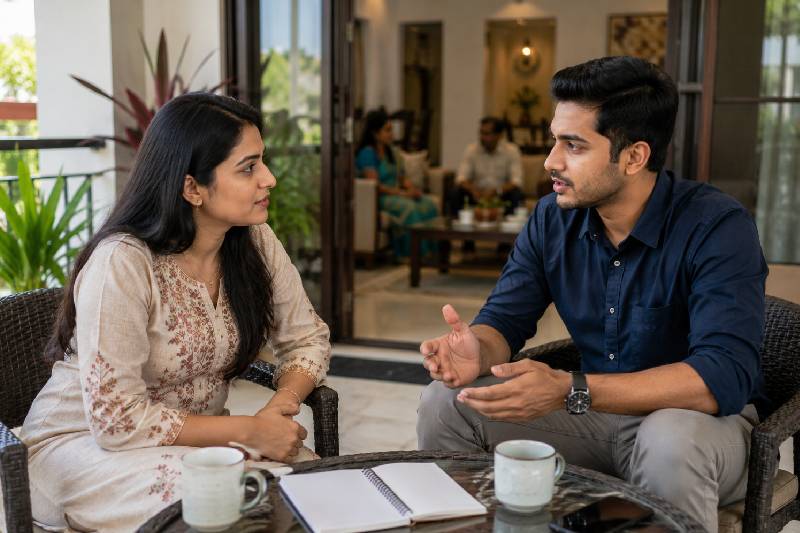
Importance of Compatibility in Arranged Marriage
Arranged marriages have been a cornerstone of Indian culture for generations, particularly within Gujarati families where values, traditions, and family involvement play a significant role in choosing a life partner. While factors such as education, family background, profession, and community are important, one factor has become increasingly crucial in modern matchmaking—compatibility in marriage.
A successful marriage is not simply about finding someone with a similar background. It is about finding a partner whose values, goals, personality, and lifestyle align with your own. In today’s world, compatibility is often the difference between a relationship that merely survives and one that truly thrives.
This guide explores why compatibility matters in arranged marriages, how to evaluate it effectively, and how modern platforms like Gujarati Soulmate are helping individuals find more compatible life partners.
What Is Compatibility in Marriage?
Compatibility in marriage refers to how well two individuals can live, grow, and build a future together.
It includes several important aspects such as:
- Emotional compatibility
- Family values
- Communication styles
- Financial attitudes
- Career goals
- Lifestyle preferences
- Cultural beliefs
- Long-term aspirations
Compatibility does not mean that two people must agree on everything. Instead, it means they can understand, respect, and support each other’s differences while sharing common life goals.
Why Compatibility MattersMore Than Ever

In traditional arranged marriages, factors such as family reputation, community, and social status often received greater attention.
Today, couples spend more time together, make joint decisions, manage careers, and navigate modern challenges. As a result, compatibility has become one of the most important foundations of a successful marriage.
Benefits of Strong Compatibility
- Better communication
- Fewer conflicts
- Stronger emotional connection
- Improved trust
- Greater long-term happiness
- Easier decision-making
- Stronger family relationships
When compatibility is present, couples are better equipped to handle life’s challenges together.
1. Emotional Compatibility Creates Stronger Relationships
Emotional compatibility refers to how well two people understand and support each other’s feelings.
Questions to consider:
- Can you openly communicate with each other?
- Do you feel respected and understood?
- Are both partners emotionally supportive?
A marriage built on emotional understanding tends to be more stable and fulfilling.
2. Shared Family Values Are Essential
Family remains an important part of arranged marriages, especially in Gujarati culture.
Before marriage, discuss:
- Family involvement
- Responsibilities toward parents
- Cultural traditions
- Religious practices
- Future family expectations
Shared family values help prevent misunderstandings after marriage.
How Gujarati Soulmate Helps Users Focus on Compatibility

Modern matchmaking is no longer just about finding someone from the same community.
Gujarati Soulmate encourages users to create detailed profiles that highlight:
- Personal values
- Education
- Family background
- Lifestyle preferences
- Marriage expectations
- Career goals
This allows individuals and families to evaluate compatibility before moving forward, making the matchmaking process more meaningful and effective.
3. Communication Compatibility Prevents Conflicts
Even loving couples experience disagreements.
The difference lies in how they communicate.
Compatible couples often:
- Listen actively
- Express concerns respectfully
- Resolve disagreements calmly
- Avoid unnecessary conflicts
Strong communication helps build trust and mutual respect.
4. Financial Compatibility Is Often Overlooked
Money is one of the most common sources of marital stress.
Discuss:
- Saving habits
- Spending habits
- Financial goals
- Investments
- Lifestyle expectations
Understanding each other’s financial mindset can prevent future disagreements.
5. Career Compatibility Supports Long-Term Success
Career goals influence many aspects of married life.
Important questions include:
- How important is career growth?
- Are you willing to relocate?
- How will work-life balance be managed?
- What are your future professional goals?
When both partners understand and support each other’s ambitions, relationships become stronger.
6. Lifestyle Compatibility Matters
Small lifestyle differences can have a significant impact over time.
Topics to discuss include:
- Daily routines
- Social activities
- Travel preferences
- Health and fitness habits
- Food choices
- Hobbies and interests
The more aligned your lifestyles are, the easier daily life becomes.
Signs of Good Compatibility Before Marriage
Many people wonder how to evaluate compatibility during the arranged marriage process.
Positive signs include:
- Comfortable communication
- Similar life goals
- Mutual respect
- Shared values
- Emotional understanding
- Healthy conflict resolution
- Family compatibility
- Honest conversations
These qualities often indicate a strong foundation for marriage.
Why Compatibility Is More Important Than Perfection

Many people search for a “perfect” partner.
In reality, perfection does not exist.
A successful marriage depends on:
- Understanding
- Respect
- Adaptability
- Communication
- Shared commitment
A highly compatible partner is often a better choice than someone who appears perfect on paper but lacks emotional or lifestyle alignment.
How Technology Is Improving Compatibility in Arranged Marriage
Modern matrimonial platforms have transformed the arranged marriage process.
Today, users can evaluate compatibility based on:
- Education
- Career
- Lifestyle
- Family values
- Religious beliefs
- Personality traits
- Future goals
This allows couples to have meaningful conversations before making important decisions.
Why Gujarati Soulmate Is Popular Among Modern Gujarati Families
Many Gujarati families today want a balance between traditional values and modern compatibility.
Gujarati Soulmate helps bridge this gap by providing a platform where users can connect with individuals who share:
- Gujarati culture
- Family-oriented values
- Marriage-focused intentions
- Similar life goals
Instead of relying solely on community or location, users can evaluate deeper compatibility factors that contribute to successful marriages.
Common Compatibility Areas to Discuss Before Marriage
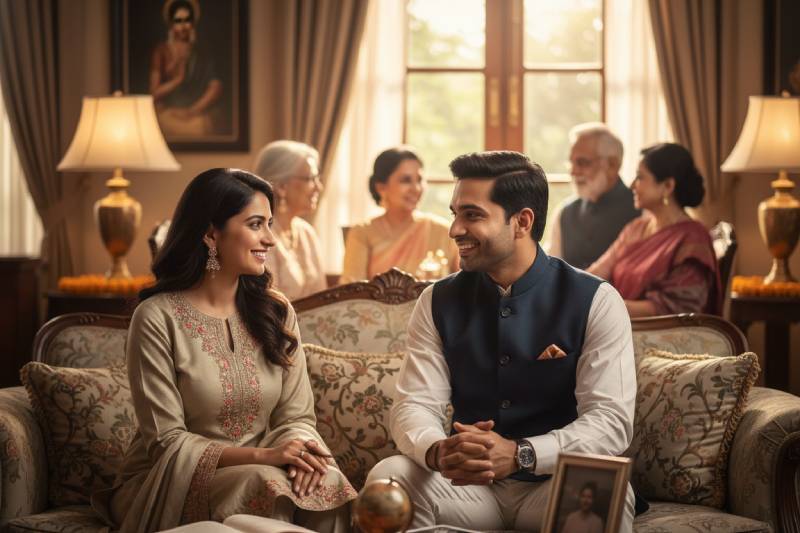
Family Expectations
Understand each family’s values and traditions.
Career Plans
Discuss future ambitions and relocation possibilities.
Financial Goals
Talk openly about savings, investments, and lifestyle expectations.
Children
Discuss parenting expectations and future family plans.
Religious and Cultural Practices
Understand each other’s beliefs and traditions.
Lifestyle Choices
Evaluate compatibility in daily routines and personal interests.
These discussions help create clarity and confidence before marriage.
The Role of Families in Compatibility Assessment
Families often provide valuable perspectives during the arranged marriage process.
They can help evaluate:
- Family values
- Cultural compatibility
- Long-term expectations
- Relationship readiness
However, personal compatibility between the couple should remain the primary focus.
How to Evaluate Compatibility Effectively
Spend Time Talking
Meaningful conversations reveal more than profile details.
Ask Important Questions
Discuss goals, values, and expectations openly.
Be Honest
Authenticity helps create stronger connections.
Focus on Long-Term Factors
Think beyond appearance and immediate attraction.
Involve Families When Appropriate
Family support often strengthens relationships.
Why Compatibility Leads to Long-Term Happiness

Compatible couples tend to:
- Communicate better
- Resolve conflicts faster
- Support each other's growth
- Share similar priorities
- Build stronger emotional connections
These factors contribute significantly to marital satisfaction and stability.
Conclusion
Compatibility in marriage is one of the most important factors in determining long-term relationship success. While education, profession, family background, and community remain important considerations, true compatibility goes much deeper.
A successful arranged marriage is built on shared values, emotional understanding, mutual respect, communication, and common life goals. By taking the time to evaluate compatibility before marriage, couples can create a stronger foundation for a happy and fulfilling future.
Platforms like Gujarati Soulmate are making this process easier by helping individuals connect with culturally compatible partners while focusing on the deeper qualities that truly matter in marriage.
Whether you’re beginning your matrimonial journey or evaluating a potential match, prioritizing compatibility can significantly improve your chances of building a successful and lasting relationship.
Frequently Asked Questions
What is compatibility in marriage?
Compatibility in marriage refers to how well two individuals align in terms of values, communication, lifestyle, family expectations, and future goals.
Why is compatibility important in arranged marriages?
Compatibility helps couples build stronger relationships, reduce conflicts, and improve long-term happiness.
How can I evaluate compatibility before marriage?
Through meaningful conversations about family, finances, career goals, lifestyle preferences, and future plans.
Can two people with different personalities be compatible?
Yes. Compatibility is not about being identical; it’s about understanding, respecting, and supporting each other.
How does Gujarati Soulmate help with compatibility?
Gujarati Soulmate allows users to create detailed profiles and connect with individuals who share similar cultural values, family backgrounds, and relationship goals, making compatibility assessment easier before marriage.